Achieving perfectly moist and flavorful meat is a goal for chefs and home cooks alike. The key to success lies in grasping and managing meat moisture. This guide provides insights into how to keep your meat juicy and delicious, covering everything from preparation techniques to cooking methods and the tools that can help. Whether you're grilling, roasting, or smoking, controlling moisture will improve your culinary creations.
This guide explores the secrets to achieving consistently moist and flavorful meat. It will cover brining, marinating, and various cooking techniques. It will also discuss tools that can help you improve your cooking. By grasping these principles, you can transform your dishes and impress your family and friends.
Key Takeaways
- Meat moisture is crucial for taste, texture, and overall quality, affecting tenderness and juiciness.
- Water-holding capacity, protein denaturation, and fat content significantly influence meat moisture levels during cooking.
- Techniques like brining, marinating, and injection enhance meat moisture by altering protein structures and adding liquids.
- Cooking methods such as grilling, roasting, smoking, and sous vide impact meat moisture differently, requiring precise temperature and humidity control.
- Tools like thermometers, moisture analyzers, and humidity-controlled ovens are essential for measuring and maintaining optimal meat moisture.
- Accurate moisture control leads to consistent product quality, increased customer satisfaction, and reduced waste for businesses.
- Fossanalytics.com offers food analysis technology to help businesses optimize meat moisture and ensure high-quality products.
Table of Contents
Introduction to Meat Moisture

Moisture is key to the taste and texture of meat. Meat that is juicy is often seen as delicious, while dry meat can be unappetizing. This guide offers solutions to the common problem of dry meat, making sure every meal is flavorful.
In culinary terms, 'meat moisture' refers to the amount of water content present in meat. This water content affects the meat's tenderness, juiciness, and overall flavor profile. The right amount of moisture makes meat enjoyable to eat.
This guide covers various methods to maintain meat moisture, including brining, marinating, and specific cooking techniques. It also looks at tools that help measure and control moisture levels during cooking.
Getting meat moisture right is also important commercially. High-quality, consistently moist meat products lead to increased customer satisfaction. fossanalytics.com specializes in food analysis, providing tools and knowledge to help businesses achieve optimal meat moisture content and product quality.
The Science Behind Meat Moisture
Several scientific principles affect meat moisture. These include water-holding capacity, protein denaturation, and the role of fat. Water-holding capacity refers to the ability of meat to retain water during cutting, heating, grinding, and storage. Protein denaturation, which occurs when meat is cooked, can cause the meat to lose moisture as proteins unwind and squeeze out water. Fat contributes to the perception of meat moisture, as it adds a sense of juiciness and lubricates the muscle fibers.
Different types of meat have different moisture contents and react differently to cooking. For example, poultry generally has a higher moisture content than beef. Fish also tends to have high meat moisture, but it can easily dry out if overcooked due to its delicate protein structure. According to research, the water content in raw beef can range from 50% to 70%, while raw chicken can be 65% to 80%. These differences mean that cooking techniques must be adjusted to preserve meat moisture in each type of meat.
Knowing these principles allows cooks and manufacturers to better control meat moisture levels. For example, by knowing how protein denaturation affects moisture loss, one can use lower cooking temperatures to minimize moisture loss. Similarly, knowing the water-holding capacity of different meats helps in choosing appropriate pre-cooking treatments like brining or marinating to improve meat moisture.
Water-Holding Capacity and Meat Juiciness
Water-holding capacity (WHC) is how well meat retains its water during processes like cutting, heating, and storage. WHC directly affects how juicy the meat seems. Meat with a high WHC retains more moisture, which results in a juicier eating experience.
Several factors influence WHC. pH levels play a key role; when the pH is closer to the meat's isoelectric point (around pH 5.2 for many meats), WHC decreases. Rigor mortis, the stiffening of muscle after death, also affects WHC, generally reducing it until post-mortem aging occurs. Post-mortem aging involves enzymatic processes that break down muscle fibers, which can improve WHC over time.
Research indicates a strong correlation between WHC and meat moisture. A study published in the "Journal of Food Science" found that meat samples with higher WHC scores also had significantly higher moisture retention after cooking. Different meat types have varying inherent WHC. For instance, pork often has a higher WHC than beef due to differences in muscle fiber structure and composition.
Knowing about WHC can help optimize meat processing and cooking. For example, controlling pH levels during processing can improve WHC. Also, allowing meat to age properly post-mortem can naturally increase its WHC, leading to juicier end products. Adjusting cooking methods to minimize moisture loss is also important; slow cooking methods can help retain meat moisture by reducing protein denaturation.
Protein Denaturation and Moisture Loss
Protein denaturation is a key process that affects meat moisture during cooking. When meat is heated, the proteins within it begin to unfold from their native structure. This unfolding, or denaturation, causes the proteins to lose their ability to hold water. As a result, water is squeezed out of the muscle fibers, leading to moisture loss.
Different proteins in meat denature at different temperatures. For example, collagen, a connective tissue protein, starts to shrink at around 140°F (60°C), while muscle proteins like myosin denature at slightly higher temperatures. The precise temperatures depend on the type of meat and its composition.
Controlling cooking temperature is key to minimizing protein denaturation and moisture loss. Cooking meat at lower temperatures allows the proteins to denature more slowly and evenly, reducing the amount of water that is expelled. This results in juicier, more tender meat.
Precise temperature control is particularly important in commercial meat processing. Overcooking can lead to significant moisture loss, reducing the yield and quality of the product. By carefully monitoring and controlling cooking temperatures, processors can optimize meat moisture and ensure consistent product quality.
The Role of Fat in Meat Moisture and Flavor
Fat plays a vital role in how meat moisture is perceived and greatly contributes to its overall flavor. While fat itself doesn't contain water, it improves the sensation of juiciness and adds richness to the taste.
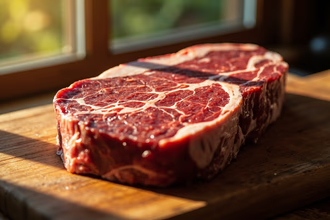
Meat contains different types of fat, including intramuscular fat (marbling) and subcutaneous fat (the fat layer under the skin). Intramuscular fat is particularly important for juiciness because it is distributed within the muscle fibers. Subcutaneous fat can also contribute to juiciness as it renders during cooking, basting the meat and preventing it from drying out.
During cooking, fat renders, meaning it melts and transforms from a solid to a liquid. This rendered fat lubricates the muscle fibers, which improves the perceived meat moisture and creates a more palatable eating experience. The fat also carries flavor compounds, further enriching the taste.
Data shows a correlation between fat content and perceived juiciness. For example, a well-marbled ribeye steak typically has a higher fat content (10-15%) and is perceived as more juicy compared to a leaner cut like sirloin (5-8% fat). Consumer preferences often reflect this; many people prefer cuts with higher fat content because of their improved flavor and juiciness.
Fat content is therefore an important factor in meat quality. Meat producers often focus on optimizing the fat content of their products to meet consumer demand for flavorful and juicy meat.
Techniques for Enhancing Meat Moisture

Several techniques can be used to improve meat moisture, resulting in a more appealing product for consumers. These methods help the meat retain or gain moisture, leading to a juicier and more flavorful experience.
Brining
Brining involves soaking meat in a saltwater solution (wet brining) or coating it with salt and spices (dry brining). In wet brining, the salt draws liquid into the meat via osmosis, which increases the meat moisture content. Dry brining, also known as salting, uses the meat's own juices to dissolve the salt, creating a concentrated brine that is then reabsorbed.
Wet Brine Recipe for Chicken:
- 1 gallon of water
- 1 cup of salt
- 1/2 cup of sugar
- Optional: herbs, spices, garlic
Submerge the chicken in the brine for 4-12 hours, depending on the size. Rinse and pat dry before cooking.
Dry Brine Recipe for Turkey:
- 1 tablespoon of salt per 5 pounds of turkey
- Optional: herbs, spices
Rub the salt mixture all over the turkey, including under the skin. Refrigerate for 12-24 hours before cooking.
Marinating
Marinating involves soaking meat in a seasoned liquid, which adds flavor and helps to tenderize and increase meat moisture. Marinades typically contain an acid (like vinegar or citrus juice), oil, and various herbs and spices. The acid helps to break down the surface proteins, allowing the meat to absorb more liquid.
Basic Marinade Recipe for Beef:
- 1/2 cup olive oil
- 1/4 cup soy sauce
- 1/4 cup red wine vinegar
- 2 cloves garlic, minced
- 1 teaspoon black pepper
Marinate the beef for at least 30 minutes, or up to 24 hours in the refrigerator.
Injection
Injection involves using a needle to inject a flavorful liquid directly into the meat. This technique is particularly effective for larger cuts of meat, as it ensures that the meat moisture is evenly distributed throughout. The injected liquid can be a simple broth or a more complex marinade.
Injection Recipe for Pork Shoulder:
- 2 cups apple juice
- 1/4 cup Worcestershire sauce
- 2 tablespoons brown sugar
- 1 tablespoon salt
- 1 teaspoon garlic powder
Inject the mixture evenly throughout the pork shoulder before cooking.
These techniques significantly improve meat moisture, resulting in a more desirable and enjoyable product for consumers. Properly brined, marinated, or injected meats are often more tender, flavorful, and juicy.
Brining: Wet and Dry Methods
Brining is a technique used to improve meat moisture and tenderness. It involves using salt to alter the proteins in the meat, allowing them to retain more water. There are two main types of brining: wet brining and dry brining.
Wet Brining
Wet brining involves submerging meat in a saltwater solution. The science behind it lies in osmosis and diffusion. Osmosis is the movement of water from an area of low salt concentration (the meat) to an area of high salt concentration (the brine). At the same time, salt diffuses from the brine into the meat. This process increases the meat moisture content and helps to denature proteins, which improves tenderness.
Wet Brine Recipe:
- 1 gallon of water
- 1 cup kosher salt
- 1/2 cup sugar (optional, for flavor)
- Optional: herbs, spices, garlic
Submerge the meat in the brine, making sure it is fully covered. Refrigerate for the recommended time:
- Chicken: 4-12 hours
- Pork Chops: 2-4 hours
- Turkey: 1 hour per pound
After brining, rinse the meat thoroughly and pat it dry before cooking.
Dry Brining
Dry brining, also known as salting, involves coating the meat with salt and allowing it to sit in the refrigerator. The salt initially draws out moisture from the meat. This creates a concentrated brine on the surface. Over time, the salt denatures the proteins, allowing them to reabsorb the moisture, along with the salt. This process results in increased meat moisture and improved flavor.
Dry Brine Recipe:
- 1 teaspoon kosher salt per pound of meat
- Optional: herbs, spices
Rub the salt mixture evenly over the surface of the meat. Place the meat on a wire rack in the refrigerator, uncovered, for the recommended time:
- Chicken: 12-24 hours
- Steak: 24-48 hours
- Pork Roast: 24-48 hours
Do not rinse the meat after dry brining. Simply pat it dry before cooking.
Tips for Preventing Over-Salting:
- Use kosher salt, as it has a consistent crystal size.
- Measure salt accurately.
- Follow recommended brining times.
- Rinse meat thoroughly after wet brining.
Brining significantly improves the tenderness and juiciness of meat, making it a more desirable product for consumers. Whether using a wet or dry brine, this technique makes sure a flavorful and moist result.
Marinating: Adding Flavor and Moisture
Marinating is a technique that adds both flavor and moisture to meat. It involves soaking meat in a seasoned liquid, which penetrates the surface and alters the meat's texture and taste.
Acidic ingredients, such as vinegar, lemon juice, or yogurt, play a key role in tenderizing meat. The acid helps to break down the proteins on the surface of the meat, which allows the marinade to penetrate deeper and retain more moisture. In addition to acids, marinades often include oil, herbs, and spices to add flavor.
Here are a few examples of marinade recipes for different types of meat:
- Chicken Marinade:
- 1/2 cup olive oil
- 1/4 cup lemon juice
- 2 cloves garlic, minced
- 1 teaspoon dried oregano
- Salt and pepper to taste
- Beef Marinade:
- 1/2 cup soy sauce
- 1/4 cup balsamic vinegar
- 2 tablespoons brown sugar
- 1 teaspoon ground ginger
- 1/2 teaspoon red pepper flakes
- Pork Marinade:
- 1/2 cup apple cider vinegar
- 1/4 cup honey
- 1 tablespoon Dijon mustard
- 1 teaspoon dried thyme
- Salt and pepper to taste
For best results, marinate meat in the refrigerator. Marinating times vary depending on the type and size of the meat:
- Chicken: 4-6 hours
- Beef: 2-24 hours
- Pork: 2-8 hours
Avoid marinating meat for too long, as the acid can cause the meat to become mushy. Also, be sure to discard the marinade after use to prevent bacterial contamination.
Marinating can improve the overall sensory experience of eating meat by making it more tender, juicy, and flavorful. The marinade penetrates the meat, which creates a more complex and enjoyable taste.
Injection: Direct Moisture Infusion
Injection is a technique that directly infuses meat with flavorful liquids to improve meat moisture and taste. It's particularly effective for larger cuts of meat that may be difficult to marinate evenly.
Tools and Equipment
To inject meat, you'll need:
- A meat injector: This consists of a syringe with a long needle, often with multiple holes, to distribute the liquid evenly.
- A container for your injection solution.
- Paper towels for cleanup.
Injection Solution Recipes
Here are a few recipes for injection solutions:
- Beef: Beef broth, Worcestershire sauce, garlic powder, onion powder
- Pork: Apple juice, brown sugar, salt, garlic powder
- Poultry: Chicken broth, melted butter, herbs (such as rosemary and thyme)
Adjust the amounts to suit your taste. A general guideline is to use about 1 cup of liquid for every 5 pounds of meat.
Injection Tips
Follow these tips for effective injection:
- Use a consistent grid pattern when injecting to ensure even distribution.
- Inject slowly to prevent the liquid from喷射ing back out.
- Avoid injecting too much liquid in one spot, which can create pockets of excessive moisture.
- For thicker cuts, inject from multiple angles.
Preventing Uneven Distribution
To prevent uneven distribution, use a meat injector with multiple holes in the needle. Inject in a grid-like pattern, spacing your injections about an inch or two apart. After injecting, gently massage the meat to help distribute the liquid.
Injection quickly and effectively increases meat moisture, especially in larger cuts like briskets, pork shoulders, and whole turkeys. The result is a more flavorful and juicier final product.
Cooking Methods and Their Impact on Meat Moisture
Different cooking methods have varying effects on meat moisture. The key to retaining meat moisture lies in controlling the cooking temperature and knowing how each method interacts with the meat.
Grilling
Grilling involves cooking meat over direct heat. High temperatures can quickly dry out the meat if not managed properly. To maximize meat moisture, it's best to use indirect heat for thicker cuts and to avoid overcooking. Marinating beforehand can also help retain moisture.
Roasting
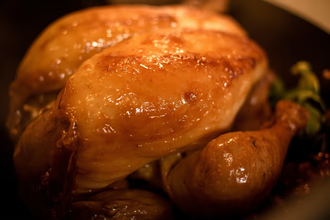
Roasting is cooking meat in an oven, typically at moderate temperatures. This method can be effective for retaining meat moisture if the temperature is carefully controlled. Using a roasting pan with a rack allows air to circulate around the meat, promoting even cooking. Basting the meat with its own juices or butter can also help keep it moist.
Smoking
Smoking involves cooking meat at low temperatures over a long period of time, using wood smoke for flavor. While smoking can produce incredibly flavorful meat, it can also lead to significant moisture loss. To combat this, it's important to maintain a consistent temperature and to use a water pan in the smoker to add humidity.
Sous Vide
Sous vide involves cooking meat in a water bath at a precise temperature. This method is highly effective for retaining meat moisture because the temperature is controlled so accurately. The meat is sealed in a bag, which prevents moisture from escaping during cooking. This results in incredibly tender and juicy meat.
Recommended Cooking Temperatures
Here are some recommended cooking temperatures for various types of meat:
- Beef: 130-135°F (54-57°C) for medium-rare
- Pork: 145°F (63°C)
- Chicken: 165°F (74°C)
- Fish: 145°F (63°C)
Using a meat thermometer is important for accurate temperature control.
Comparison of Moisture Retention
Sous vide generally results in the highest meat moisture retention, followed by roasting and smoking (when done properly). Grilling tends to have the most moisture loss if not carefully managed.
Tips for Maximizing Meat Moisture
- Use a meat thermometer to avoid overcooking.
- Brine or marinate meat before cooking.
- Use lower cooking temperatures.
- Allow meat to rest after cooking to redistribute juices.
Precise cooking reduces waste and improves product consistency, which offers significant commercial benefits. Consistently delivering moist, flavorful meat products leads to greater customer satisfaction and repeat business.
High-Heat Cooking: Grilling and Searing
Grilling and searing are high-heat cooking methods that can produce flavorful results, but they also pose a risk of drying out meat if not done correctly. The key is to balance the need for a desirable crust with the retention of internal meat moisture.
The Maillard reaction is a chemical reaction between amino acids and reducing sugars that gives browned food its distinctive flavor. It occurs when food is heated to high temperatures, typically above 285°F (140°C). In grilling and searing, the Maillard reaction creates a flavorful crust on the surface of the meat.
To grill and sear meat while minimizing moisture loss, follow these tips:
- Use high heat for a short time to create a crust without overcooking the interior.
- Pat the meat dry before cooking to promote browning.
- Use a hot grill or pan to quickly sear the surface.
- Avoid overcrowding the grill or pan, as this can lower the temperature and cause the meat to steam instead of sear.
- Don't overcook the meat. Use a meat thermometer to check for doneness.
Here are some recommended grilling temperatures and cooking times for various cuts:
- Steak (1-inch thick):
- Medium-rare: 130-135°F (54-57°C), 4-5 minutes per side
- Medium: 135-145°F (57-63°C), 5-7 minutes per side
- Chicken Breast: 165°F (74°C), 5-7 minutes per side
- Pork Chops (1-inch thick): 145°F (63°C), 4-6 minutes per side
Grilling and searing can create a desirable crust while retaining internal meat moisture. By using high heat for a short time and avoiding overcooking, one can achieve a flavorful and juicy result.
Low and Slow: Roasting and Smoking
Roasting and smoking are cooking methods that use low temperatures over extended periods, which can produce incredibly tender and flavorful meat. However, maintaining meat moisture is key to preventing the meat from drying out during these long cooking times.
Temperature control is crucial in both roasting and smoking. Maintaining a consistent temperature ensures that the meat cooks evenly and retains as much moisture as possible. For roasting, oven temperatures typically range from 250°F to 325°F (121°C to 163°C). For smoking, temperatures usually range from 225°F to 275°F (107°C to 135°C).
Humidity also plays a vital role in moisture retention. In roasting, using a roasting pan with a lid or covering the meat with foil can help trap moisture. In smoking, a water pan is often used to add humidity to the cooking chamber, which prevents the meat from drying out.
Here are some tips for roasting and smoking different types of meat:
- Beef Brisket: Smoke at 225°F (107°C) for 12-14 hours. Wrap in butcher paper during the stall (when the meat's internal temperature plateaus) to retain moisture.
- Pork Shoulder: Smoke at 250°F (121°C) for 8-10 hours. Use a water pan to maintain humidity.
- Turkey: Roast at 325°F (163°C) for 3-4 hours, depending on size. Baste with pan juices every hour.
Recommended roasting and smoking temperatures and cooking times for various cuts:
- Beef Roast (3-4 lbs): 325°F (163°C) for 20-25 minutes per pound
- Pork Ribs: 225°F (107°C) for 5-7 hours
- Chicken (whole): 250°F (121°C) for 3-4 hours
Low and slow cooking methods create tender and juicy meat with a smoky flavor. By controlling temperature and humidity, one can achieve a delicious result.
Precision Cooking: Sous Vide
Sous vide is a precision cooking method that involves sealing food in a bag and cooking it in a water bath at a precisely controlled temperature. This technique is exceptionally effective for retaining meat moisture and achieving consistent results.
The primary benefit of sous vide is the ability to control the cooking temperature with great accuracy. This allows you to cook meat to a specific level of doneness without the risk of overcooking. Because the meat is sealed in a bag, it cooks evenly and retains all of its natural juices.
Here are some tips for sous vide cooking different types of meat:
- Seal the meat properly in a vacuum-sealed bag to prevent water from entering.
- Use a water bath with accurate temperature control. A sous vide immersion circulator is ideal for this.
- Cook the meat for the recommended time based on its thickness and desired level of doneness.
- After cooking, sear the meat in a hot pan to create a flavorful crust.
Recommended sous vide temperatures and cooking times for various cuts:
- Steak (1-inch thick):
- Medium-rare: 130°F (54°C) for 1-2 hours
- Medium: 135°F (57°C) for 1-2 hours
- Chicken Breast: 149°F (65°C) for 1-3 hours
- Pork Chops (1-inch thick): 140°F (60°C) for 1-3 hours
Sous vide cooking results in exceptionally tender and juicy meat with minimal moisture loss. The precise temperature control ensures that the meat is cooked perfectly every time, making it a favorite method for both home cooks and professional chefs.
Key Tools for Measuring and Maintaining Meat Moisture

Measuring and maintaining meat moisture is key to producing high-quality, consistent meat products. Several tools are available to help cooks and manufacturers achieve optimal results. These tools range from simple thermometers to sophisticated moisture analyzers and humidity-controlled ovens.
Thermometers
Thermometers are important for monitoring the internal temperature of meat during cooking. Accurate temperature readings prevent overcooking, which can lead to moisture loss. Digital thermometers with probes provide quick and precise measurements.
Moisture Analyzers
Moisture analyzers are used to determine the exact water content in meat. These devices use various methods, such as drying and weighing, to measure the amount of meat moisture present in a sample. This information is vital for quality control and product development. fossanalytics.com offers advanced food analysis technology, including moisture analyzers, to help businesses optimize their meat products.
Humidity-Controlled Ovens
Humidity-controlled ovens allow for precise control over both temperature and humidity during cooking. This is particularly useful for methods like roasting and smoking, where maintaining a certain level of humidity can prevent the meat from drying out. These ovens ensure consistent meat moisture and texture.
Importance of Accurate Measurements
Accurate measurements are key to achieving consistent results. By using reliable tools, cooks and manufacturers can make sure that their meat products meet quality standards every time. Precise control over meat moisture leads to more tender, juicy, and flavorful meat.
Benefits for Businesses
These tools can help businesses make sure product quality and meet regulatory standards. Consistent meat moisture levels are important for consumer satisfaction and compliance with labeling requirements. fossanalytics.com's food analysis technology can help businesses monitor and control meat moisture, which leads to improved product quality and reduced waste.
Conclusion: Getting Meat Moisture Right for Culinary Excellence
This guide has explored the critical role of meat moisture in achieving culinary excellence. From knowing the science behind water-holding capacity and protein denaturation to getting techniques like brining, marinating, and precise cooking methods right, controlling meat moisture is key to creating consistently juicy and delicious meat.
The tools discussed, such as thermometers, moisture analyzers, and humidity-controlled ovens, provide the means to accurately measure and maintain optimal meat moisture levels. By trying out these methods and tools, both home cooks and professional chefs can improve their culinary creations.
fossanalytics.com is dedicated to providing solutions that help professionals achieve superior results. Its expertise in food analysis technology makes sure that businesses can consistently deliver high-quality meat products that meet and exceed customer expectations.
Explore the fossanalytics.com website for more information on its food analysis technology, or contact them for a consultation to discover how their solutions can improve the quality and consistency of your meat products.
Frequently Asked Questions
- What are the best methods for brining meat, and how does it affect moisture retention?
- The best methods for brining meat include both wet and dry brining. Wet brining involves soaking the meat in a saltwater solution, often enhanced with spices and sugar, for several hours or overnight. This process allows the meat to absorb moisture and flavor. Dry brining, on the other hand, involves rubbing salt directly onto the meat's surface and letting it rest, usually in the refrigerator. This method also helps the meat retain moisture by allowing the salt to draw out moisture initially, which then gets reabsorbed along with the flavor. Both techniques significantly enhance the meat's juiciness and overall flavor.
- How do cooking techniques influence the moisture content of meat?
- Cooking techniques play a crucial role in meat moisture retention. Methods such as roasting or grilling, which use high heat, can cause moisture loss if not done carefully. Conversely, slow cooking methods like braising or sous-vide help preserve moisture, as they allow for gradual cooking at lower temperatures. Techniques that incorporate steam or moisture, such as using a water pan in the oven or wrapping meat while cooking, can also help maintain juiciness. Ultimately, the choice of cooking technique should align with the type of meat and desired outcome for optimal moisture retention.
- What tools or equipment are essential for achieving juicy meat?
- Essential tools for achieving juicy meat include a reliable meat thermometer, which ensures precise cooking temperatures, preventing overcooking. A good quality brining container or vacuum-sealer is important for effective brining, while a cast-iron skillet or roasting pan can enhance browning and flavor during cooking. Additionally, using a meat injector can help infuse moistening marinades directly into the meat. Investing in these tools can significantly improve your cooking outcomes, leading to consistently juicy and flavorful meat dishes.
- How can I tell if my meat is overcooked, and what are the consequences of overcooking?
- Overcooked meat often becomes dry, tough, and loses its flavorful juices. Signs of overcooking include a lack of moisture when slicing, an extremely firm texture, and a color that appears gray or dull rather than vibrant. The consequences of overcooking not only affect taste and texture but can also lead to a less enjoyable dining experience. To avoid this, it’s essential to monitor internal temperatures using a meat thermometer and remove the meat from heat once it reaches the recommended doneness for its type.
- Are there specific types of meat that benefit more from moisture-enhancing techniques?
- Yes, certain types of meat benefit significantly from moisture-enhancing techniques. Poultry, such as chicken and turkey, is particularly prone to drying out, making brining and marinating especially beneficial. Red meats like beef and lamb can also gain from these techniques, especially tougher cuts that require longer cooking times. Pork is another meat that can greatly improve in juiciness and flavor through brining or marinating. Ultimately, applying these moisture-enhancing techniques to any meat can yield better results, but they are especially valuable for leaner or tougher cuts.