Meat texture is a key factor influencing consumer satisfaction. Tenderness, juiciness, and firmness all contribute to the eating experience. Knowing the science behind meat texture can help producers improve their product and meet consumer expectations.
Various factors affect meat texture, from the animal's genetics and diet to post-mortem handling and cooking methods. This article explores these factors and provides practical tips to improve meat tenderness and overall quality, which leads to a more enjoyable dining experience.
Key Takeaways
- Meat texture is a key component of the eating experience, influencing consumer satisfaction.
- Muscle fiber structure, connective tissue (collagen and elastin), and fat content (marbling) are primary factors determining meat texture.
- Animal husbandry practices like genetics, diet, and stress levels significantly impact meat texture.
- Post-slaughter processing methods such as aging (wet or dry) and tenderization techniques improve meat texture by breaking down muscle fibers.
- Sensory evaluation (taste panels) and instrumental methods (Warner-Bratzler shear force, texture profile analysis) are used to measure and assess meat texture.
- Consumers can improve meat texture by selecting appropriate cuts, using suitable cooking techniques, and employing marinades or tenderizing tools.
- Producers can optimize meat texture through selective breeding, controlled processing, and innovative technologies.
Table of Contents
Introduction to Meat Texture

The quality of meat texture is a key component of the eating experience. It significantly affects how much consumers enjoy meat products. A desirable meat texture is often tender, juicy, and easy to chew, while an undesirable texture might be tough, dry, or rubbery. Several factors influence meat texture, including muscle fiber characteristics, connective tissue, and post-mortem processes.
Knowing about meat texture is beneficial for both consumers and producers. Consumers can make informed choices about the meat they purchase, selecting products that meet their preferences for tenderness and overall quality. Producers can use this knowledge to improve their processing methods, ultimately delivering better products and increasing customer satisfaction.
This article will cover the main factors that affect meat texture. It will also provide tips to improve tenderness and overall eating quality.
The Science Behind Meat Texture: Key Factors
The science of meat texture involves several elements that determine the final eating experience. These factors range from the structure of muscle fibers to the amount and type of connective tissue, and even the distribution of fat within the muscle.
Muscle Fiber Structure
Muscle fibers are long, slender cells that bundle together to form muscle tissue. The size and arrangement of these fibers significantly affect meat texture. Smaller muscle fibers generally contribute to a finer, more tender texture, while larger, coarser fibers can result in tougher meat. For example, muscles that do less work, such as the tenderloin, have finer muscle fibers compared to muscles like the shank, which have coarser fibers due to their extensive use. The tenderness related to muscle fiber size is also influenced by sarcomere length, which is the basic unit of muscle fiber. Longer sarcomeres often mean more tender meat.
Connective Tissue
Connective tissue, primarily composed of collagen and elastin, is another key determinant of meat texture. Collagen is a protein that provides strength and structure to muscles. With age or high activity levels, collagen fibers can cross-link, making them tougher and less soluble. Elastin, another type of connective tissue, is elastic and does not break down during cooking, contributing to toughness. Cuts like brisket or chuck, which come from muscles with a lot of connective tissue, benefit from slow cooking methods that break down collagen into gelatin, improving tenderness. The amount and type of connective tissue directly impact the perceived toughness or tenderness of meat.
Fat Content and Marbling
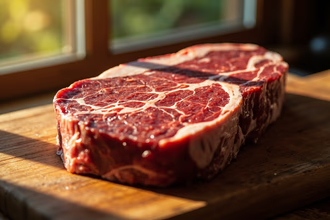
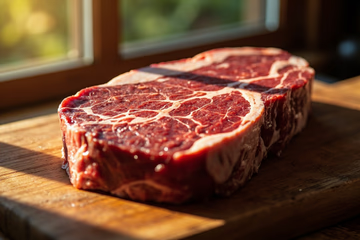
Fat content, especially intramuscular fat known as marbling, plays a vital role in the juiciness and overall meat texture. Marbling refers to the flecks of fat distributed within the muscle. During cooking, this fat melts, adding moisture and flavor to the meat. The presence of marbling improves the tenderness by lubricating muscle fibers, creating a more succulent mouthfeel. For example, Wagyu beef, known for its extensive marbling, is prized for its exceptional tenderness and juiciness. Conversely, leaner cuts with less marbling may be perceived as drier and less tender.
Muscle Fiber Structure and Tenderness
The microscopic structure of muscle fibers plays a crucial role in determining meat texture and tenderness. Muscle fibers are composed of myofibrils, which are made up of sarcomeres, the basic functional units responsible for muscle contraction. The characteristics of these components significantly influence how tender or tough a piece of meat will be.
Sarcomeres contain thin filaments (actin) and thick filaments (myosin) that slide past each other during muscle contraction. The length of sarcomeres affects tenderness; longer sarcomeres generally result in more tender meat because the muscle fibers are more easily pulled apart during chewing. Shorter sarcomeres, often found in muscles that have undergone significant contraction, can contribute to a tougher meat texture.
The size and density of muscle fibers also impact tenderness. Smaller muscle fibers tend to create a finer, more tender texture, while larger, denser fibers can make meat tougher. The arrangement of these fibers matters too; when fibers are loosely arranged, the meat is generally more tender. Breeds and cuts of meat vary in their muscle fiber characteristics. For instance, the Longissimus dorsi (ribeye) muscle typically has smaller, more uniform muscle fibers compared to muscles like the Biceps femoris (round), leading to a more desirable meat texture.
Different breeds of cattle also exhibit variations in muscle fiber characteristics. Some breeds are genetically predisposed to developing smaller muscle fibers or longer sarcomeres, resulting in more tender meat. Therefore, knowing the muscle fiber structure is important for predicting and controlling meat texture.
Connective Tissue: Collagen and Elastin
Connective tissue is a critical component of meat, significantly influencing meat texture. The primary proteins in connective tissue are collagen and elastin, each with distinct properties and effects on tenderness.
Collagen is the most abundant protein in connective tissue, providing strength and structure to muscles. The amount and type of collagen present directly affect meat toughness. Younger animals have less cross-linked collagen, which is more easily broken down during cooking, resulting in more tender meat. Older animals, conversely, have more mature, cross-linked collagen that is tougher and less soluble. Cuts like beef chuck or pork shoulder, which come from muscles with high collagen content, tend to be tougher if not cooked properly. However, slow, moist cooking methods, such as braising, can convert tough collagen into gelatin, greatly improving the meat texture and tenderness.
Elastin is another protein found in connective tissue, though in smaller amounts than collagen. Unlike collagen, elastin remains largely unaffected by cooking. It contributes to a chewy or rubbery meat texture. Cuts such as the neck or some ligaments contain higher concentrations of elastin. Because elastin does not break down, these cuts may always remain somewhat tough, regardless of the cooking method used. Therefore, the presence and amount of elastin play a key role in the overall palatability of meat.
In essence, the interplay between collagen and elastin determines the ultimate meat texture. Managing collagen through appropriate cooking techniques is important for tenderizing tougher cuts, while knowing the impact of elastin helps in selecting suitable cooking methods for different types of meat.
Fat Content and Marbling's Influence
Fat content, and particularly marbling, significantly impacts meat texture and juiciness. Marbling refers to the flecks of intramuscular fat distributed within the muscle tissue. This fat plays a crucial role in creating a more tender and palatable eating experience.
Fat contributes to a smoother, more tender mouthfeel by lubricating muscle fibers during chewing. As the meat cooks, the intramuscular fat melts, adding moisture and richness. This process helps to prevent the meat from becoming dry and tough. The presence of adequate fat ensures that each bite is succulent and flavorful.
Marbling scores are often used to assess meat quality, with higher scores indicating greater amounts of intramuscular fat. For example, USDA grades such as Prime, Choice, and Select reflect varying degrees of marbling. Prime beef has the highest level of marbling, resulting in superior tenderness and juiciness. Choice beef has moderate marbling, providing a good balance of flavor and tenderness, while Select beef has minimal marbling and may be less tender. The distribution of fat is also important; evenly distributed marbling contributes to a more consistent and desirable meat texture throughout the cut.
The overall eating experience is greatly improved by appropriate fat distribution. Meat with good marbling tastes better and has a more pleasing meat texture, making it more enjoyable to consume. Therefore, fat content and marbling are key factors in determining the quality and desirability of meat.
Impact of Animal Husbandry and Processing on Meat Texture

Animal husbandry practices and post-slaughter processing methods significantly influence meat texture. These factors affect muscle development, enzymatic activity, and overall meat quality, ultimately determining the tenderness and palatability of the final product.
Animal Husbandry Practices
Genetics, diet, and stress levels play key roles in muscle development and, consequently, meat texture. Genetic selection for specific traits can result in breeds that naturally produce more tender meat. For example, certain breeds of cattle are known for their superior marbling and finer muscle fibers. Diet also matters; a well-balanced diet that promotes healthy muscle growth can improve meat quality. Conversely, stress can negatively impact meat texture. High stress levels before slaughter can lead to muscle tension and glycogen depletion, resulting in tougher meat. Proper handling and a stress-free environment are important for maintaining optimal meat quality.
Post-Slaughter Processing Methods
Aging and tenderization techniques are crucial post-slaughter processes that can significantly improve meat texture. Aging, whether wet or dry, allows natural enzymes within the muscle tissue to break down proteins, increasing tenderness. Wet aging involves storing meat in vacuum-sealed bags under refrigeration, while dry aging exposes the meat to air in a controlled environment, further concentrating flavor and improving tenderness. Tenderization techniques, such as mechanical tenderization (e.g., using a blade tenderizer) and enzymatic tenderization (e.g., using papain or bromelain), can also be employed to disrupt muscle fibers and connective tissue, improving meat texture.
Proper Handling and Storage
Proper handling and storage are key for maintaining optimal meat texture. Rapid chilling after slaughter helps to prevent cold shortening, a process where muscle fibers contract and toughen the meat. Maintaining consistent refrigeration temperatures during storage prevents spoilage and preserves the integrity of muscle fibers. These practices ensure that the meat retains its desired texture and quality until it is cooked.
Animal Husbandry Practices and Meat Texture
Animal husbandry practices significantly affect meat texture through various factors, including genetics, breed, diet, and living conditions. These elements influence muscle development, fat deposition, and the overall quality of the meat.
Genetics and breed play a vital role in determining meat texture. Selective breeding programs focus on enhancing traits such as marbling, tenderness, and muscle fiber characteristics. For example, Wagyu cattle are genetically predisposed to develop extensive marbling, resulting in highly tender and flavorful meat. Similarly, certain breeds of pigs are bred for their leaner muscle mass and finer muscle fibers. These genetic factors contribute to the inherent meat texture of different breeds.
Diet also has a substantial impact on muscle development and fat deposition, which directly affects meat texture. Grain-fed animals tend to develop more intramuscular fat (marbling), leading to a more tender and juicy meat texture. Alternatively, grass-fed animals often have leaner meat with a different flavor profile. The type of feed influences the fatty acid composition of the meat, which can affect its tenderness and overall eating quality.
Living conditions and stress levels during animal rearing and transportation can also influence meat texture. High stress levels can lead to muscle tension and glycogen depletion, resulting in tougher meat. Proper handling, comfortable living conditions, and minimizing stress during transportation are important for maintaining optimal meat texture. Practices such as providing adequate space, reducing noise, and avoiding rough handling can help to reduce stress and improve meat quality.
Aging and Tenderization Techniques
Aging and tenderization techniques are effective methods to improve meat texture by breaking down muscle fibers and connective tissue. These processes improve tenderness and overall palatability, resulting in a more desirable eating experience.
Meat Aging
Meat aging involves storing meat under controlled conditions to allow natural enzymes to break down proteins. There are two primary methods: wet aging and dry aging. Wet aging involves storing meat in vacuum-sealed bags under refrigeration. This method prevents moisture loss and allows enzymes like calpains to degrade muscle proteins, improving tenderness. Dry aging, conversely, exposes the meat to air in a controlled environment with specific temperature, humidity, and airflow. This process tenderizes the meat but also concentrates its flavor as moisture evaporates. During both wet and dry aging, enzymes break down complex proteins into smaller peptides and amino acids, weakening the structure of muscle fibers and connective tissue, thereby improving meat texture.
Tenderization Methods
Tenderization methods are used to physically or chemically disrupt muscle fibers and connective tissue. Mechanical tenderization includes techniques such as blade tenderization, where needles or blades are used to puncture the meat, breaking down muscle fibers. This method is quick and effective but can alter the appearance of the meat. Enzymatic tenderization involves using enzymes like papain (from papaya), bromelain (from pineapple), or ficin (from figs) to break down proteins. These enzymes are applied to the surface of the meat or injected into it. Enzymatic tenderization can be very effective but may result in a mushy meat texture if overused. Different cuts of meat benefit from different tenderization techniques. For example, tougher cuts like flank steak may benefit from both mechanical and enzymatic tenderization, while more tender cuts like ribeye may only require aging to achieve optimal meat texture.
Each method has its advantages and disadvantages. Aging requires time and controlled conditions but improves flavor naturally. Mechanical tenderization is fast but can alter the meat's structure. Enzymatic tenderization is effective but needs careful control to avoid over-tenderization. The choice of method depends on the type of meat, desired outcome, and available resources.
Post-Slaughter Handling and Storage
Proper post-slaughter handling and storage are critical for maintaining optimal meat texture. Chilling, freezing, and thawing techniques, along with appropriate packaging and storage conditions, play a key role in preserving meat quality and preventing spoilage.
Rapid chilling immediately after slaughter is important to prevent cold shortening, a process where muscle fibers contract and toughen the meat. The ideal chilling process involves quickly reducing the meat temperature to below 40°F (4°C) to minimize microbial growth and enzymatic activity. Freezing is another effective method for long-term storage, but it must be done correctly to avoid ice crystal formation, which can damage muscle fibers and negatively affect meat texture.
Temperature fluctuations and freezer burn can significantly degrade meat quality. Temperature fluctuations cause ice crystals to melt and refreeze, leading to larger crystals that disrupt muscle fibers. Freezer burn occurs when the surface of the meat dehydrates due to improper packaging, resulting in dry, tough patches. To prevent these issues, meat should be stored at a consistent temperature of 0°F (-18°C) or lower, and packaging should be airtight to minimize moisture loss.
Packaging plays a vital role in preventing spoilage and preserving meat texture. Vacuum-sealed packaging is particularly effective as it removes air, inhibiting the growth of aerobic bacteria and reducing oxidation. Modified atmosphere packaging (MAP) is also used to extend shelf life by altering the gas composition within the package. Proper storage conditions, including maintaining consistent low temperatures and avoiding direct sunlight, are key for preserving meat quality.
For consumers and processors, best practices include: chilling meat promptly after purchase or processing, using airtight packaging for freezing, thawing meat in the refrigerator (not at room temperature) to minimize microbial growth, and using meat within a reasonable timeframe. These practices help to ensure that the meat retains its desired meat texture and overall quality.
Measuring and Assessing Meat Texture
Measuring and assessing meat texture is crucial for consistent quality and meeting consumer expectations. Both subjective and objective methods are employed to evaluate the textural properties of meat, each with its own advantages and limitations.
Sensory Evaluation
Sensory evaluation, often conducted using taste panels, is a subjective method that relies on human perception to assess meat texture. Trained panelists evaluate various attributes such as tenderness, juiciness, and chewiness, providing valuable insights into consumer preferences. Taste panels can capture complex sensory experiences that instrumental methods may miss. However, sensory evaluation is subject to individual variability and bias, and it can be time-consuming and expensive. Despite these limitations, sensory evaluation remains an important tool for knowing how consumers perceive meat texture.
Instrumental Methods
Instrumental methods provide objective measurements of meat texture using mechanical devices. The Warner-Bratzler shear force (WBSF) test is one of the most commonly used instrumental methods. It measures the force required to shear through a sample of cooked meat, providing an indication of tenderness. Lower shear force values indicate more tender meat. Texture profile analysis (TPA) is another instrumental method that mimics the chewing process by compressing a meat sample multiple times. TPA measures various textural parameters, including hardness, cohesiveness, springiness, and chewiness, providing a comprehensive profile of meat texture. Instrumental methods offer several advantages, including objectivity, repeatability, and efficiency. However, they may not fully capture the complexity of human sensory perception.
Applications in Quality Control and Research
Both sensory evaluation and instrumental methods are used in quality control and research to monitor and improve meat texture. In quality control, these measurements help to ensure that meat products meet specific standards for tenderness and overall quality. In research, they are used to investigate the effects of different animal husbandry practices, processing methods, and storage conditions on meat texture. By combining subjective and objective measurements, researchers and producers can gain a more complete knowing of the factors that influence meat texture and develop strategies to optimize meat quality.
Sensory Evaluation: Taste Panels and Consumer Preferences
Sensory evaluation is a crucial method for assessing meat texture by using human senses to evaluate various attributes. Taste panels and consumer studies are key components of sensory evaluation, providing valuable insights into consumer preferences and perceptions of meat texture.
Taste Panels
Taste panels are composed of trained individuals who evaluate meat samples based on specific sensory attributes. Panelists are selected for their ability to consistently and accurately assess characteristics such as tenderness, juiciness, chewiness, and overall meat texture. Taste panels are conducted under controlled conditions to minimize bias and ensure reliable results. Panelists use standardized scoring systems to rate each attribute, providing quantitative data that can be statistically analyzed. While taste panels offer detailed sensory information, they can be time-consuming and expensive, and the results may be influenced by individual panelist biases.
Consumer Preference Studies
Consumer preference studies involve gathering feedback from a broader group of consumers to understand what textural attributes they find desirable. These studies often use surveys, focus groups, and in-home use tests to collect data on consumer perceptions of meat texture and overall eating quality. Consumer studies can provide valuable insights into market trends and inform product development efforts. However, consumer preferences can be highly variable and influenced by factors such as cultural background, personal experiences, and expectations.
Applications of Sensory Data
Sensory data is used in various ways to improve meat quality and develop new products. For example, sensory evaluation can be used to identify the optimal aging time for beef to achieve maximum tenderness. It can also be used to compare the meat texture of different breeds or cuts of meat. Sensory data informs decisions related to animal husbandry practices, processing methods, and product formulations, ultimately leading to the development of meat products that better meet consumer expectations.
Instrumental Methods: Warner-Bratzler Shear Force
The Warner-Bratzler shear force (WBSF) test is an objective, instrumental method widely used to measure meat texture, specifically tenderness. It quantifies the force required to shear through a cooked meat sample, providing a numerical value that correlates with perceived tenderness.
The WBSF test involves using a machine equipped with a Warner-Bratzler shear blade, which has a V-shaped notch. A core of cooked meat, typically cylindrical in shape, is placed in the machine, and the blade is forced through the sample. The machine measures the peak force required to shear the meat, which is recorded in kilograms or pounds. The higher the WBSF value, the tougher the meat, and the lower the value, the more tender the meat.
There is a well-established relationship between WBSF values and perceived tenderness. Generally, meat with a WBSF value below 3.0 kg is considered very tender, while meat with a value above 5.0 kg is considered tough. However, these thresholds can vary depending on the type of meat and consumer preferences. The WBSF test provides a standardized and repeatable measure of meat texture, making it valuable for research and quality control purposes.
While the WBSF test is widely used and provides valuable information, it has some limitations. It only measures the force required to shear through the meat in one direction, which may not fully capture the complexity of meat texture. It also does not provide information about other textural attributes, such as juiciness or chewiness. Despite these limitations, the WBSF test remains a valuable tool for assessing meat texture in research and quality control settings. For example, it is used to evaluate the effects of different aging times, cooking methods, and animal husbandry practices on meat tenderness. It is also used in quality control to ensure that meat products meet specific tenderness standards.
Instrumental Methods: Texture Profile Analysis (TPA)
Texture Profile Analysis (TPA) is a comprehensive instrumental method used to assess meat texture by mimicking the chewing process. It provides a detailed profile of various textural parameters, offering a more complete knowing of meat's mechanical properties compared to simpler methods like the Warner-Bratzler shear force (WBSF) test.
The principles behind TPA involve subjecting a meat sample to a two-cycle compression test using a texture analyzer. The instrument measures the force, time, and distance during the compression cycles, generating data that is used to calculate several key textural parameters. These parameters include:
- Hardness: The force required to attain a given deformation, representing the initial resistance to compression.
- Cohesiveness: The extent to which the sample deforms prior to rupture, indicating how well the sample holds together.
- Springiness: The degree to which the sample returns to its original height after the first compression cycle.
- Chewiness: The energy required to masticate a solid sample to a state ready for swallowing, calculated from hardness, cohesiveness, and springiness.
- Adhesiveness: The work necessary to overcome the attractive forces between the surface of the meat and the surface of other materials with which the meat comes into contact.
TPA offers several advantages over simpler methods like WBSF. While WBSF primarily measures tenderness, TPA provides a more comprehensive assessment of meat texture by quantifying multiple textural attributes. This allows for a more nuanced knowing of how different factors, such as animal husbandry practices or processing methods, affect the overall eating experience. The data obtained from TPA can be used to create a detailed texture profile of meat, which serves as a fingerprint of its textural properties.
TPA is used extensively in research and product development to optimize meat texture. For example, it can be used to evaluate the effects of different aging times, cooking methods, or ingredient formulations on the textural properties of meat products. TPA data can also be used to correlate instrumental measurements with sensory perceptions, providing insights into how specific textural parameters influence consumer preferences. This information is valuable for developing new meat products that meet consumer expectations for tenderness, juiciness, and overall eating quality.
Practical Tips for Improving Meat Texture

Improving meat texture involves several strategies that can be applied by both consumers and producers. By selecting the right cuts, using appropriate cooking techniques, and implementing effective tenderization methods, it is possible to achieve a more desirable eating experience.
Tips for Consumers
- Selecting Cuts: Choose cuts of meat based on their inherent tenderness. For example, tenderloin, ribeye, and sirloin are naturally more tender than cuts like brisket or chuck. Look for marbling, as intramuscular fat contributes to juiciness and tenderness.
- Cooking Techniques: Use appropriate cooking methods for different cuts of meat. Tougher cuts, which are high in connective tissue, benefit from low and slow cooking methods like braising or stewing. These methods allow collagen to break down into gelatin, improving meat texture. More tender cuts are better suited for quick cooking methods like grilling or pan-searing.
- Marinades: Use marinades to tenderize and add flavor to meat. Marinades containing acidic ingredients like vinegar, lemon juice, or yogurt can help to break down muscle fibers, improving meat texture. Enzymatic marinades, containing ingredients like papaya (papain) or pineapple (bromelain), can also be effective.
- Tenderizing Tools: Consider using tenderizing tools like a meat mallet or blade tenderizer to physically disrupt muscle fibers and connective tissue. These tools can be particularly useful for tougher cuts of meat.
- Proper Thawing: Thaw meat properly in the refrigerator to maintain its texture and prevent bacterial growth. Avoid thawing meat at room temperature, as this can negatively impact its quality.
Strategies for Producers
- Optimizing Animal Husbandry: Implement animal husbandry practices that promote muscle development and reduce stress. This includes providing a well-balanced diet, comfortable living conditions, and minimizing stress during transportation.
- Selective Breeding: Utilize selective breeding programs to improve traits related to meat texture, such as marbling, tenderness, and muscle fiber characteristics.
- Aging Techniques: Employ aging techniques, such as wet aging or dry aging, to improve tenderness. Aging allows natural enzymes to break down proteins, resulting in a more desirable meat texture.
- Controlled Processing: Implement controlled processing methods to minimize cold shortening and maintain optimal meat texture. This includes rapid chilling after slaughter and proper storage conditions.
By following these practical tips, both consumers and producers can take steps to improve meat texture and improve the overall eating experience.
Tips for Consumers: Selecting and Preparing Meat
Selecting and preparing meat properly can significantly improve the eating experience. Consumers can take several steps to ensure they achieve a desirable meat texture and flavor.
Selecting Cuts of Meat
When selecting cuts of meat, consider the inherent tenderness and flavor characteristics of different muscles. Tender cuts like tenderloin, ribeye, and sirloin are naturally more tender due to their muscle fiber structure and lower connective tissue content. Look for marbling, which refers to the flecks of intramuscular fat. Marbling improves juiciness and tenderness, contributing to a more desirable meat texture. Cuts with more marbling tend to be more flavorful as well.
Proper Storage and Thawing
Proper storage and thawing techniques are important for maintaining meat quality. Store meat in the refrigerator at a temperature below 40°F (4°C) to prevent bacterial growth. Use airtight packaging to minimize moisture loss and prevent freezer burn if freezing meat for longer storage. Thaw meat in the refrigerator to ensure even thawing and minimize the risk of bacterial contamination. Avoid thawing meat at room temperature or in warm water, as this can negatively impact its meat texture and safety.
Cooking Methods
Different cooking methods have varying effects on meat texture. Searing and grilling are best suited for tender cuts, as they cook the meat quickly while preserving its moisture. Roasting is a versatile method that can be used for both tender and tougher cuts, depending on the temperature and cooking time. Braising is ideal for tougher cuts like brisket or chuck, as the low and slow cooking process breaks down collagen, resulting in a more tender meat texture. Sous vide involves cooking meat in a water bath at a precise temperature, resulting in consistent and tender results.
Marinades
Marinades can be used to add flavor and improve meat texture. Marinades containing acidic ingredients like vinegar, lemon juice, or yogurt help to break down muscle fibers, making the meat more tender. Enzymatic marinades, containing ingredients like papaya (papain) or pineapple (bromelain), can also be effective at tenderizing meat. Marinate meat for at least 30 minutes, or up to several hours, depending on the cut and the marinade's strength.
Tenderizing Techniques and Tools
Tenderizing techniques are valuable for improving meat texture, especially for tougher cuts. Consumers can use various methods, both mechanical and enzymatic, to achieve more tender and palatable results.
Mechanical Tenderization
Mechanical tenderization involves physically disrupting muscle fibers and connective tissue. A meat mallet, also known as a meat tenderizer, is a common tool used for this purpose. It has a textured surface that is used to pound the meat, breaking down the muscle fibers. Needle tenderizers, also known as blade tenderizers, have rows of small blades or needles that puncture the meat, cutting through the muscle fibers and connective tissue. Mechanical tenderization is quick and effective, but it can alter the shape and appearance of the meat. It is best suited for thicker cuts that can withstand the pounding or puncturing without becoming too thin or uneven.
Enzymatic Tenderization
Enzymatic tenderizers utilize enzymes to break down proteins in the meat, improving meat texture. Papain, derived from papaya, and bromelain, derived from pineapple, are commonly used enzymatic tenderizers. These enzymes can be applied to the surface of the meat in powdered form or as part of a marinade. Enzymatic tenderizers are effective at tenderizing meat, but they can also make the meat mushy if overused. It is important to follow the instructions carefully and avoid marinating the meat for too long. Enzymatic tenderizers are best suited for thinner cuts or those that benefit from a more subtle tenderizing effect.
Pros and Cons
Each tenderizing method has its advantages and disadvantages. Mechanical tenderization is fast and effective but can alter the meat's appearance. Enzymatic tenderization is effective but can result in a mushy meat texture if overused. The choice of method depends on the type of meat, desired outcome, and personal preference. For tougher cuts that require significant tenderization, a combination of both mechanical and enzymatic methods may be used.
Strategies for Producers: Optimizing Animal Husbandry and Processing
Meat producers can significantly influence meat texture through optimized animal husbandry and processing practices. By focusing on genetics, nutrition, stress reduction, and innovative technologies, producers can consistently deliver high-quality, tender meat products.
Genetics and Breed Selection
Genetics play a crucial role in determining meat texture. Producers should select breeds known for their superior tenderness, marbling, and muscle fiber characteristics. Selective breeding programs can be used to improve these desirable traits over time. For example, Wagyu cattle are renowned for their extensive marbling, which contributes to exceptional tenderness and juiciness. By choosing breeds with inherent genetic advantages, producers can lay the foundation for improved meat texture.
Feeding Strategies
Nutrition significantly impacts muscle development and fat deposition. Producers should implement feeding strategies that promote healthy muscle growth and optimal marbling. A well-balanced diet, rich in essential nutrients, is important for developing high-quality meat. The type of feed also matters. Grain-finishing, for example, can increase intramuscular fat, leading to a more tender and flavorful meat texture. Carefully managing the animal's diet can have a positive impact on the final product.
Stress Reduction
Stress during animal rearing and transportation can negatively affect meat texture. High stress levels can lead to muscle tension and glycogen depletion, resulting in tougher meat. Producers should minimize stress by providing comfortable living conditions, handling animals gently, and reducing transportation time. Implementing practices such as providing adequate space, reducing noise, and avoiding rough handling can help to improve meat quality.
Post-Slaughter Handling, Chilling, and Aging
Proper post-slaughter handling, chilling, and aging are vital for maintaining and improving meat texture. Rapid chilling immediately after slaughter helps to prevent cold shortening. Proper aging techniques, such as wet aging or dry aging, allow natural enzymes to break down proteins, increasing tenderness. Producers should carefully control the temperature, humidity, and airflow during aging to achieve optimal results.
Innovative Technologies
Innovative technologies can also be used to improve meat texture. For example, electrical stimulation can be used to accelerate rigor mortis and improve tenderness. High-pressure processing can be used to tenderize meat without altering its appearance or flavor. Producers should stay informed about the latest technological advancements and consider implementing those that can improve the quality of their products.
Conclusion: The Future of Meat Texture
To conclude, meat texture is a critical attribute that significantly impacts the eating experience. From muscle fiber structure and connective tissue to animal husbandry practices and post-slaughter processing, numerous factors influence the final texture of meat. A thorough knowing of these factors is important for both consumers and producers to ensure high-quality meat products.
Emerging technologies and research areas are continually pushing the boundaries of what is possible in meat texture improvement. Alternative proteins, such as plant-based and cell-based meats, are being developed with a focus on replicating the texture of traditional meat. Precision livestock farming, which uses data-driven insights to optimize animal management, holds promise for improving meat quality through targeted interventions. Ongoing efforts are focused on improving the eating experience and meeting the evolving demands of consumers for tender, juicy, and flavorful meat products.
Looking ahead, the future of meat texture will be shaped by continued innovation and a commitment to quality. As the food industry evolves, a focus on meat texture will remain paramount, driving research, development, and adoption of new technologies to deliver superior eating experiences.
Frequently Asked Questions
- What are the primary factors that affect meat texture?
- The texture of meat is influenced by several key factors, including the animal's age, breed, and diet, as well as the muscle type and the method of processing and cooking. Younger animals tend to have more tender meat due to less developed connective tissues. The breed can also play a significant role, as certain breeds have muscle fibers that are naturally tender. Additionally, the diet affects muscle composition, impacting fat content and flavor. Cooking methods, such as slow cooking versus grilling, can either enhance or detract from meat tenderness.
- How can I improve the tenderness of meat at home?
- There are various methods to enhance the tenderness of meat at home. Marinating meat in acidic substances, such as vinegar or citrus juice, can help break down proteins and improve tenderness. Additionally, using a meat mallet to physically tenderize cuts before cooking is effective. Slow cooking methods, such as braising or stewing, allow collagen in tougher cuts to break down, resulting in a more tender texture. Lastly, letting meat rest after cooking helps redistribute juices, which can also enhance tenderness.
- What role does cooking temperature play in meat texture?
- Cooking temperature significantly impacts meat texture. Cooking at low temperatures for longer periods allows collagen to break down, making tougher cuts more tender. Conversely, cooking meat at high temperatures can lead to a firmer texture and potentially dry out the meat if overcooked. It's essential to monitor internal temperatures and use techniques like sous vide to maintain desired tenderness while achieving safe cooking levels.
- Are there specific cuts of meat that are naturally more tender?
- Yes, certain cuts of meat are inherently more tender due to their location on the animal and the amount of exercise those muscles receive. Cuts such as tenderloin, ribeye, and sirloin are generally more tender compared to tougher cuts like brisket or chuck, which contain more connective tissue and require longer cooking times to achieve tenderness. Selecting the right cut based on your cooking method is crucial for ensuring a pleasing texture.
- How does aging meat affect its texture?
- Aging meat, particularly through dry aging, can significantly enhance its tenderness and flavor. During the aging process, enzymes break down muscle fibers and connective tissues, leading to a more tender texture. Dry aging also allows moisture to evaporate, concentrating the meat's flavor. It’s important to note that aging requires specific conditions to prevent spoilage, and typically occurs in controlled environments for a set period, often ranging from a few weeks to several months.