Food texture is a critical aspect of the eating experience, influencing how people perceive and enjoy different foods. It refers to the tactile and visual properties of food, detected through mouthfeel, sight, and even sound. Texture affects a food's appeal and can determine whether someone finds it pleasant or unappetizing.
Chefs and food scientists carefully consider texture when creating new dishes or improving existing products. They manipulate ingredients and cooking techniques to achieve specific textural qualities, aiming to deliver a satisfying sensory experience. This article explores the science of food texture and how it impacts what people eat.
Key Takeaways
- Food texture is a critical sensory attribute that significantly impacts the eating experience, influencing flavor perception and emotional responses.
- The science of food texture involves understanding the physics, chemistry, and structural properties of food at both macroscopic and microscopic levels.
- Different types of food textures, such as crisp, crunchy, creamy, smooth, chewy, and tender, offer unique sensory experiences and are influenced by factors like moisture content, fat content, and protein structure.
- Texture preferences are shaped by cultural norms, personal experiences, and sensory sensitivities, leading to diverse culinary traditions and individual preferences.
- Chefs and food scientists manipulate food texture using various ingredients (thickeners, stabilizers, emulsifiers) and cooking techniques (frying, boiling, sous vide) to create innovative and appealing dishes.
- Modernist techniques like spherification, air foams, and dehydration offer new possibilities for texture innovation, pushing the boundaries of culinary creativity.
- The art and science of food texture are intertwined, driving culinary innovation and enhancing the overall enjoyment of food through a balanced and satisfying sensory experience.
Table of Contents
Introduction to Food Texture

The feel of food, often overlooked, plays a vital role in how much people enjoy eating. This sensory experience, known as food texture, involves the way food feels in the mouth and in the hands. From the crispness of a potato chip to the chewiness of caramel and the smoothness of ice cream, many aspects contribute to a food's texture.
This article offers a guide to food texture and its influence on culinary experiences. Food texture significantly shapes food preferences and affects overall enjoyment. Chefs and food scientists often change texture to make food products more appealing.
The Science Behind Food Texture
The science of food texture involves physics and chemistry. The structure of food, at both the cellular and molecular levels, determines its texture. For example, the arrangement of cells in an apple contributes to its crispness, while the molecular structure of chocolate affects its smoothness.
Scientists use instruments to measure food texture objectively. These tools can quantify characteristics, such as hardness, viscosity, and elasticity. By measuring these properties, food scientists can better control and predict the texture of food products.
Several scientific principles influence food texture. Water activity, which refers to the amount of unbound water in a food, affects crispness and chewiness. Crystallization, as seen in chocolate or ice cream, influences smoothness and snap. Gelatinization, the process where starch absorbs water and swells, is key to the creamy texture of sauces and puddings.
Sensory receptors in the mouth and hands perceive food texture. These receptors detect various attributes, including size, shape, and surface features, contributing to the overall sensory experience of eating.
The Physics and Chemistry of Texture
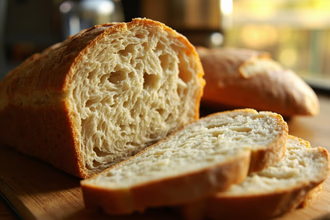
Physics and chemistry dictate food texture. Viscosity, a fluid's resistance to flow, affects the texture of sauces and drinks. Elasticity, a solid's ability to return to its original shape after being deformed, is important in bread and cheese. Plasticity, a solid's ability to permanently deform without breaking, is key to the texture of butter and fondant.
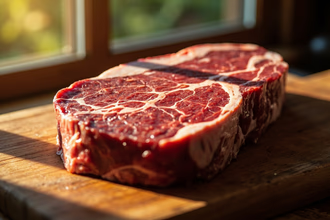
Chemical reactions also play a role. The Maillard reaction, which occurs when sugars and amino acids react at high temperatures, creates the crust on bread and the sear on meat. Enzymatic browning, the reaction that causes fruits and vegetables to turn brown when cut, can soften textures.
These principles are applied in food processing and cooking. For example, adding stabilizers to ice cream can control crystal growth, resulting in a smoother texture. Similarly, controlling the cooking time and temperature of meat can affect its tenderness.
Food Structure and Texture
The microscopic structure of food greatly influences food texture. At the cellular level, the characteristics of cell walls in fruits and vegetables contribute to their firmness and crispness. Protein networks in meats and cheeses determine their chewiness and elasticity. Starch granules in grains and root vegetables affect their viscosity and gel-like properties when cooked.
Processing techniques can alter food structure and, consequently, texture. Homogenization, which reduces the size of fat globules in milk, creates a smoother, more uniform texture. Emulsification, which stabilizes mixtures of oil and water, is used to create creamy sauces and dressings.
The way these structural components are arranged and modified directly impacts sensory perception of food texture, influencing how consumers experience different foods.
Objective Measurement of Food Texture
Objective measurement of food texture relies on instruments and techniques that quantify textural properties. Texture profile analysis (TPA) mimics the action of teeth to measure hardness, cohesiveness, and springiness. Rheometry assesses the flow and deformation of foods, providing data on viscosity and elasticity. Microscopy allows scientists to visualize the microstructure of foods, revealing details about cell structure and particle size.
These objective measurements correlate with sensory perception. For example, TPA hardness values can be related to perceived firmness, while rheological data can predict creaminess or smoothness. In food research and development, these instruments are used to optimize food texture by adjusting formulations and processing parameters.
Objective measurements are crucial for maintaining consistency and quality in food production. By quantifying texture, manufacturers can maintain standards and meet consumer expectations. Fossanalytics.com provides tools to help with this.
Types of Food Textures and Their Characteristics

Different food textures offer unique eating experiences. Here are some common types:
- Crisp: This food texture is characterized by a delicate, easily broken structure that produces a sharp, clean sound when bitten. Examples include potato chips and crackers. The low moisture content and brittle structure contribute to the crispness.
- Crunchy: A food texture that involves a more substantial, dense structure that resists initial bite but then fractures with a loud, irregular sound. Examples include raw carrots and granola. The rigid cell walls and fibrous components contribute to the crunch.
- Creamy: This food texture is smooth, rich, and coats the mouth. Examples include ice cream and yogurt. Small particle size and high fat content create the creamy sensation.
- Smooth: A food texture lacking in any noticeable particles or grittiness. Examples include pudding and smooth sauces. Fine particle size and uniform consistency contribute to the smoothness.
- Chewy: This food texture requires sustained chewing and has a resilient, elastic structure. Examples include gummy candies and cooked pasta. Gluten development or cross-linked proteins create the chewy texture.
- Tender: A food texture that is easily cut or broken down with minimal effort. Examples include cooked chicken and ripe fruits. Weakened muscle fibers or cell walls contribute to the tenderness.
Cooking methods can significantly alter food texture. For example, frying can make foods crisp, while boiling can make them tender. The manipulation of cooking techniques allows chefs to create a range of textures in their dishes.
Crisp and Crunchy Textures
Crisp and crunchy are food textures often associated with freshness and enjoyment, though they differ in their intensity and structure. Crispness describes a delicate, easily fractured texture, while crunchiness implies a denser, more resistant structure that yields with a more substantial sound.
Examples of crisp foods include potato chips, crackers, and certain types of cookies. These foods often have thin, brittle structures with numerous air pockets. Crunchy foods include raw carrots, nuts, and granola, which possess more rigid cell walls and fibrous components.
Moisture content is a critical factor. Crisp foods typically have very low moisture content, which contributes to their brittleness. Crunchy foods may have slightly higher moisture content but still maintain a rigid structure.
The sensory experience of eating crisp and crunchy foods involves both sound and mouthfeel. Crisp foods produce a light, clean snap, while crunchy foods create a louder, more irregular sound. The mouthfeel of crisp foods is light and airy, while crunchy foods offer a more substantial, resistive sensation.
Creamy and Smooth Textures
Creamy and smooth food textures are prized for their luxurious mouthfeel and pleasing sensory qualities. Both textures are characterized by a lack of noticeable particles, but they differ in richness and density. Creaminess implies a rich, velvety sensation, while smoothness suggests a more delicate, even consistency.
Examples of creamy foods include ice cream, custard, and rich sauces, which often have a high fat content. Smooth foods include yogurt, pudding, and fine purees, which may have lower fat content but are finely processed to eliminate grittiness.
Fat content plays a significant role in creating creaminess. Fat globules coat the tongue, providing a smooth, rich sensation. Small particle size is crucial for both creamy and smooth textures, preventing any gritty or rough mouthfeel.
Emulsification and homogenization are key processes in achieving these textures. Emulsification stabilizes mixtures of oil and water, preventing separation and creating a uniform texture. Homogenization reduces the size of particles, contributing to a smoother mouthfeel.
The sensory experience of eating creamy and smooth foods is characterized by a lack of resistance or grittiness. These food textures glide across the tongue, providing a sense of comfort and indulgence.
Chewy and Tender Textures
Chewy and tender food textures represent opposite ends of the spectrum regarding the effort required for mastication. Chewiness describes a resilient, elastic texture that requires sustained chewing, while tenderness refers to a texture that is easily broken down with minimal effort.
Examples of chewy foods include gummy candies, bagels, and certain types of pasta. These foods often have a dense, cross-linked structure. Tender foods include cooked steak, ripe fruits, and steamed vegetables, which have weakened structural components.
Protein structure and connective tissue play key roles in creating these textures. In chewy foods, proteins are often highly cross-linked, creating a resilient network. In tender foods, protein structures are broken down, and connective tissues are softened or dissolved.
Cooking methods significantly affect chewiness and tenderness. Braising, a slow, moist-heat cooking method, can tenderize tough cuts of meat by breaking down connective tissue. Grilling, a dry-heat method, can create a chewy crust on the outside of meat while keeping the inside tender.
The sensory experience of eating chewy and tender foods differs greatly. Chewy foods offer resistance, requiring sustained chewing to break them down. Tender foods offer little resistance, melting or falling apart in the mouth with ease. This difference in food texture contributes significantly to the overall eating experience.
How Food Texture Influences Our Eating Experience
Food texture has a significant psychological and emotional impact on the eating experience. The feel of food in the mouth can evoke feelings of comfort, satisfaction, or even disgust. The interplay between texture and emotion is deeply rooted in personal experiences and cultural norms.
Food texture affects the perception of flavor. For example, a creamy texture can heighten the sensation of sweetness, while a crunchy texture can provide a contrasting element that makes flavors more interesting. The overall enjoyment of food is often tied to the balance of textures within a dish.
Texture preferences vary across cultures and individuals. Some cultures favor crunchy textures, while others prefer smooth or creamy sensations. Personal preferences may be influenced by childhood experiences, sensory sensitivities, or cultural norms.
Food texture plays a crucial role in food acceptance and rejection, particularly for children or people with sensory sensitivities. Certain textures may be off-putting, leading to food avoidance. Introducing a variety of textures early in life can help broaden food acceptance.
The importance of food texture lies in creating a balanced and satisfying meal. A well-composed dish often incorporates a range of textures to provide a more complete and enjoyable sensory experience.
The Psychology of Food Texture
Food texture has a strong link to psychological responses, influencing how people perceive and enjoy food. Texture can trigger memories, emotions, and associations, shaping the overall eating experience. For instance, the creamy texture of mashed potatoes might evoke feelings of comfort and nostalgia, linking back to childhood meals.
Texture contrast, the combination of different textures in a single dish, can create a stimulating eating experience. The interplay of crisp and smooth, or chewy and tender, can make a meal more interesting and satisfying. This contrast keeps the palate engaged and prevents sensory fatigue.
Food texture can influence perceptions of freshness, quality, and healthiness. Crisp textures are often associated with freshness, while smooth textures might suggest high quality. Certain textures, such as those found in whole grains and fibrous vegetables, can also contribute to the perception of healthiness. The psychological impact of texture is a key component of food enjoyment.
Texture and Flavor Perception
Food texture and flavor perception are closely linked. Texture can significantly influence the ability to taste and appreciate different flavors. It can serve to either amplify or diminish the intensity of certain tastes, creating a more complex sensory experience.
Specific textures often complement certain flavors. For example, creamy textures pair well with rich, decadent flavors like chocolate or caramel, as the smoothness coats the palate and allows the flavors to linger. Crisp textures can provide a contrast to rich flavors, cutting through the richness and cleansing the palate.
Mouthfeel, the way food feels in the mouth, contributes significantly to the overall sensory experience. It encompasses various attributes, including smoothness, roughness, viscosity, and temperature. Mouthfeel can affect how flavors are perceived and appreciated, influencing the overall enjoyment of a dish.
The interplay between food texture and flavor is crucial for creating a balanced and satisfying meal. Chefs and food scientists carefully consider these interactions when developing new products or refining existing recipes.
Cultural and Individual Texture Preferences
Food texture preferences are highly variable across different cultures and individuals. What is considered a desirable texture in one culture may be unappealing in another. These preferences are shaped by a combination of cultural norms, personal experiences, and sensory sensitivities.
For example, the slimy texture of natto (fermented soybeans) is highly valued in Japan but may be off-putting to people from other cultures. Similarly, the chewy texture of mochi (rice cakes) is a beloved part of Japanese cuisine but may not be as widely appreciated elsewhere.
Personal experiences, upbringing, and sensory sensitivities can significantly influence texture preferences. Childhood experiences with certain foods can create lasting associations, either positive or negative. Sensory sensitivities, such as those experienced by people with autism, can also affect texture preferences, leading to food aversions or preferences for specific textures.
Food texture has a significant role in ethnic cuisines and traditional dishes. Many cultural dishes are defined by their unique textures, reflecting local ingredients and cooking techniques. Recognizing these cultural variations is for appreciating the diversity of culinary traditions around the world.
Manipulating Food Texture: Techniques and Ingredients
Chefs and food scientists use a variety of techniques to manipulate food texture, transforming ordinary dishes into extraordinary culinary experiences. These methods involve both the selection of ingredients and the application of specific processing techniques.
Various ingredients play a crucial role in achieving desired textures. Stabilizers, such as gums and starches, prevent separation and maintain uniformity. Emulsifiers, like lecithin, help blend oil and water, creating creamy textures. Thickeners, such as gelatin and pectin, increase viscosity and add body to sauces and desserts.
Specific techniques can also dramatically alter food texture. Spherification, a molecular gastronomy technique, creates liquid-filled spheres with a delicate membrane. Air foams, produced by whipping liquids, add lightness and airy textures to dishes. Sous vide cooking, which involves cooking food in a water bath at a precise temperature, can result in exceptionally tender and evenly cooked products.
Food texture can lead to innovative culinary creations. By knowing how different ingredients and techniques affect texture, chefs can experiment and develop dishes that are both visually appealing and texturally exciting.
Food processing significantly affects texture, and it can be carefully controlled to achieve specific results. Techniques like extrusion, drying, and fermentation can all be used to modify texture and create a wide range of food products.
Ingredients for Texture Modification
Modifying food texture often involves the use of specific ingredients that alter the physical properties of food. These ingredients can be categorized by their function:
- Thickeners: These ingredients increase the viscosity of liquids, creating a thicker food texture. Examples include xanthan gum, cornstarch, and arrowroot. At a molecular level, they work by absorbing water and creating a network that restricts the flow of liquid.
- Stabilizers: These ingredients prevent separation and maintain the uniformity of food texture. Examples include guar gum, carrageenan, and locust bean gum. They function by binding water and preventing the formation of ice crystals or other undesirable structures.
- Emulsifiers: These ingredients help blend oil and water, creating creamy and smooth food textures. Examples include lecithin (found in egg yolks and soy) and mono- and diglycerides. They work by reducing the surface tension between oil and water, allowing them to mix more easily.
- Gelling Agents: These ingredients create a semi-solid food texture by forming a three-dimensional network that traps liquid. Examples include gelatin, agar-agar, and pectin. They function by forming cross-links between molecules, creating a gel structure.
The concentration of these ingredients and their interactions with other components in the food system can significantly impact the final food texture. Careful consideration must be given to these factors to achieve the desired result.
Cooking Techniques and Texture
Different cooking techniques have a profound impact on food texture, transforming raw ingredients into a wide array of culinary creations. The application of heat, moisture, and time during cooking can alter the structure and properties of food, resulting in diverse textures.
- Frying: This technique involves cooking food in hot oil, which creates a crisp or crunchy outer layer while retaining moisture inside. The high heat dehydrates the surface, leading to a desirable food texture.
- Boiling: This technique involves cooking food in boiling water, which can soften and tenderize ingredients. The high moisture content penetrates the food, breaking down cell walls and creating a more yielding food texture.
- Steaming: This technique involves cooking food with steam, which provides a gentle, moist heat that preserves nutrients and maintains a delicate food texture.
- Grilling: This technique involves cooking food over direct heat, which creates a charred, flavorful surface while retaining a juicy interior. The dry heat sears the outside, creating a contrasting food texture.
- Baking: This technique involves cooking food in a dry oven, which can create a variety of textures depending on the ingredients and temperature. Baking can result in crisp cookies, tender cakes, or chewy breads, each with a unique food texture.
Chefs use these techniques to achieve specific textural outcomes, carefully controlling the heat, moisture, and time to create dishes that are both delicious and texturally appealing.
Modernist Techniques for Texture Innovation
Modernist cooking techniques offer ways to create innovative food textures, pushing the boundaries of culinary possibilities. These methods often rely on scientific principles to manipulate food structure and create unique sensory experiences.
- Spherification: This technique transforms liquids into spheres with a thin, gel-like membrane. The result is a burst of flavor and a unique food texture that is both visually appealing and texturally surprising.
- Sous Vide: This technique involves cooking food in a water bath at a precise temperature, resulting in evenly cooked products with exceptional tenderness. The precise temperature control allows for the manipulation of protein structures, creating a desirable food texture.
- Air Foams: This technique creates light and airy textures by whipping liquids and stabilizing them with ingredients like lecithin or gelatin. Air foams add a delicate, ethereal quality to dishes, providing a contrasting food texture.
- Dehydration: This technique removes moisture from food, concentrating flavors and creating crisp or chewy textures. Dehydration can be used to create fruit leather, vegetable chips, or other innovative snacks with unique food textures.
These modernist techniques rely on a deep knowledge of scientific principles and how they can be applied to manipulate food texture. By pushing the boundaries of culinary innovation, chefs can create dishes that are both delicious and visually stunning.
Conclusion: The Art and Science of Food Texture

This article explored the multifaceted world of food texture, from its scientific underpinnings to its profound impact on our eating experiences. Food texture influences our perception of flavor, evokes emotions, and shapes our culinary preferences. Chefs and food scientists skillfully manipulate texture using various techniques and ingredients to create innovative and delightful dishes.
The interplay between the science and art of manipulating food texture is what drives culinary innovation. A deep knowledge of the scientific principles, combined with creative artistry, allows chefs to craft dishes that are both visually stunning and texturally exciting.
The future of food texture innovation holds immense potential to improve our enjoyment of food. As technology and culinary expertise advance, new and exciting textures will emerge, transforming the way we experience and appreciate food.
Frequently Asked Questions
- What are the main factors that influence food texture?
- Food texture is influenced by several factors, including the physical properties of the ingredients, the cooking methods used, and the interactions between different components. Key factors include moisture content, fat content, temperature, and mechanical processes such as chopping, grinding, or whipping. Additionally, the structural organization of food at the molecular level, such as the arrangement of proteins and carbohydrates, plays a crucial role in determining texture.
- How can chefs manipulate food texture to enhance dishes?
- Chefs can manipulate food texture through various techniques, such as adjusting cooking temperatures and times, incorporating different ingredients, and employing specific cooking methods like sous vide, emulsification, or fermentation. For example, blending or pureeing can create a smooth texture, while roasting can add crispness. Additionally, chefs may layer textures in a single dish, combining crunchy, creamy, and chewy elements to create a more complex dining experience.
- Why is food texture important in the overall eating experience?
- Food texture significantly affects our perception of taste and satisfaction during meals. Different textures can enhance or detract from flavors, influence the mouthfeel, and even affect how full we feel after eating. For instance, crunchy foods may stimulate appetite and engagement, while creamy textures can provide a sense of comfort. The interplay of texture and flavor can turn a simple dish into a memorable experience.
- Are there specific textures associated with different cuisines?
- Yes, various cuisines often emphasize distinctive textures that reflect cultural preferences and cooking techniques. For instance, Japanese cuisine features a range of textures from the silky smoothness of tofu to the crispiness of tempura. In contrast, Italian cuisine may highlight the chewiness of pasta alongside the creaminess of risotto. Understanding these texture preferences can enhance the authenticity and appeal of a dish in its cultural context.
- How can I improve the texture of my home-cooked meals?
- To improve the texture of your meals, start by experimenting with different cooking methods and ingredient combinations. Pay attention to moisture levels; for example, adding a fat source like butter or oil can enhance creaminess. You can also incorporate techniques such as marinating meats to tenderize them or using a food processor to create smooth purees. Additionally, layering ingredients with varying textures, like adding crunchy toppings to a creamy dish, can create a more satisfying eating experience.