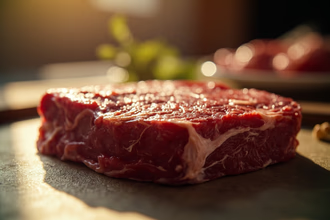
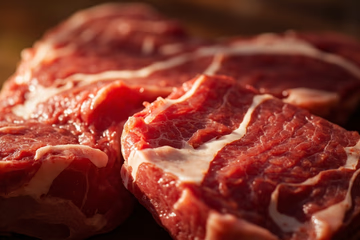
Analyzing meat composition is vital for quality, safety, and nutritional value in the meat industry. Meat analysis involves determining the proportions of its main components: moisture, protein, fat, and ash. This analysis helps producers meet regulatory requirements, maintain consistent product quality, and provide accurate nutritional information to consumers. Knowing how to analyze meat composition is important for anyone involved in meat production, processing, or quality control.
This guide provides a comprehensive overview of meat composition analysis, covering the key components analyzed, the importance of this analysis, and the methods used. Whether you are a seasoned professional or new to the field, this resource will help you grasp the key aspects of meat analysis.
Key Takeaways
- Meat composition analysis is crucial for quality control, nutritional labeling, and regulatory compliance in the food industry.
- Key components in meat composition include moisture, protein, fat, and ash, each affecting quality, nutritional value, and consumer appeal.
- Traditional meat analysis methods like Kjeldahl, Soxhlet, and oven drying are accurate but time-consuming.
- Modern methods like NIR spectroscopy offer rapid and efficient analysis, improving speed and cost-effectiveness.
- Quality control measures, including calibration, standardization, and validation, are essential for accurate and reliable results.
- Inaccurate meat composition analysis can lead to health risks, economic losses, and regulatory issues.
- Implementing comprehensive quality control protocols and best practices is vital for maintaining high standards in meat analysis.
Table of Contents
Introduction to Meat Composition Analysis

Meat composition analysis is a critical process in the food industry, playing a vital role in maintaining quality, guaranteeing safety, and meeting regulatory standards. It involves determining the proportions of key components within meat products, such as moisture, protein, fat, ash, and carbohydrates. Knowing how to analyze meat composition is important for producers and consumers alike because it provides valuable insights into the nutritional content and overall quality of the meat.
Analyzing meat composition is crucial for several reasons. First, it is a cornerstone of quality control, helping manufacturers maintain consistent product standards. Second, accurate analysis is necessary for precise nutritional labeling, enabling consumers to make informed dietary choices. Finally, it assures compliance with food regulations, avoiding potential legal and financial repercussions. By providing dependable data on meat composition, producers can guarantee product safety and consistency, which benefits both their business and the individuals who consume their products.
Companies like FOSS provide analytical solutions that support the meat industry in performing these analyses, assuring accuracy and efficiency in quality control processes.
Key Components in Meat Composition
Knowing meat composition involves analyzing several key components that significantly influence the quality, nutritional value, and overall acceptability of meat products. These primary components include moisture, protein, fat, and ash, each playing a distinct role in defining the characteristics of the meat.
Moisture Content
Moisture content is a critical factor in meat composition, affecting the tenderness, juiciness, and preservation of meat. High moisture levels can promote microbial growth, leading to spoilage, while inadequate moisture can result in dry, unpalatable products. Typically, fresh meat contains around 50% to 75% moisture. Accurate measurement of moisture content is, therefore, vital for determining shelf life and overall quality.
Protein Content
Protein is a major component of meat composition, vital for human nutrition and muscle development. Meat is considered a high-quality protein source, containing all the essential amino acids. The protein content generally ranges from 20% to 30% in most meat types. Variations in protein levels can affect the nutritional profile and suitability of meat for different dietary needs. Precise analysis assures consumers receive the expected nutritional benefits.
Fat Content
Fat content significantly impacts the flavor, texture, and consumer appeal of meat. Fat contributes to the characteristic taste and mouthfeel of different cuts of meat. However, excessive fat can raise health concerns. The fat content in meat composition can vary widely, from as little as 5% in lean cuts to over 30% in fattier portions. Analytical methods must accurately quantify fat levels to meet labeling requirements and consumer expectations.
Ash Content
Ash content refers to the total mineral content in meat composition, including elements like calcium, phosphorus, and iron. Ash content is typically low, around 1% to 2%, but it serves as an indicator of the meat's mineral composition and overall quality. Abnormal ash levels can suggest contamination or improper processing. Accurate determination of ash content is valuable for quality control and verifying the authenticity of meat products.
The varying levels of moisture, protein, fat, and ash in meat composition directly influence the quality and consumer perception of meat products. For example, a higher fat content may improve flavor but could also increase calorie content, while optimal moisture levels assure juiciness and tenderness. Effective analytical methods are, therefore, vital to accurately measure these components, assuring that meat products meet both regulatory standards and consumer expectations.
Moisture Content: Impact on Quality and Preservation
Moisture content is a pivotal factor influencing the quality, texture, and preservation of meat. It directly affects the sensory attributes of meat, such as juiciness and tenderness, and plays a crucial role in preventing spoilage. The level of moisture content in meat can determine its marketability and safety for consumption.
The texture of meat is significantly influenced by its moisture content. Optimal moisture levels contribute to a tender and juicy product, enhancing the eating experience. Conversely, low moisture content can result in a dry and tough texture, making the meat less appealing to consumers. For example, fresh beef typically has a moisture content ranging from 50% to 75%, which provides the desired tenderness and juiciness. In processed meats like sausages, the moisture content is carefully controlled to achieve the right consistency and mouthfeel.
Moisture content is also intrinsically linked to meat preservation. High moisture levels create an environment conducive to microbial growth, accelerating spoilage and reducing shelf life. Bacteria, yeasts, and molds thrive in moist conditions, leading to the decomposition of meat and the production of undesirable odors and flavors. Therefore, reducing moisture content through methods like drying, curing, or freezing is a common strategy for preserving meat products.
Different types of meat products require specific moisture content levels to maintain quality and safety. Fresh poultry, for instance, should have a moisture content between 65% and 70% to ensure juiciness while minimizing the risk of bacterial growth. Dried meats, such as beef jerky, have a significantly lower moisture content (around 15% to 25%) to prevent spoilage and extend shelf life.
Accurate measurement of moisture content is, therefore, critical for preventing economic losses and assuring consumer safety. If moisture levels are too high, meat products may spoil quickly, leading to waste and potential health hazards. If moisture levels are too low, the meat may be unpalatable and fail to meet consumer expectations. By carefully monitoring and controlling moisture content, meat producers can maintain product quality, extend shelf life, and meet regulatory requirements, ultimately benefiting both their business and the consumers they serve.
Protein Content: Nutritional Value and Muscle Development
The protein content of meat is a primary determinant of its nutritional value, making it a key component for human health. Meat serves as a high-quality protein source, providing all the essential amino acids necessary for various bodily functions. This subsection will explore the significance of protein content in meat, its contribution to muscle development, and its overall nutritional value.
Protein is crucial for muscle development, tissue repair, and the synthesis of enzymes and hormones. The amino acids derived from meat protein are the building blocks for muscle fibers, aiding in growth and repair after physical activity. Adequate protein content in the diet is particularly important for athletes, growing children, and individuals recovering from illness or injury. The high nutritional value of meat protein supports these vital physiological processes.
Meat contains different types of proteins, including myofibrillar proteins (such as actin and myosin), sarcoplasmic proteins, and connective tissue proteins (such as collagen). Myofibrillar proteins are responsible for muscle contraction and contribute to the texture of meat. Sarcoplasmic proteins are involved in metabolic processes within muscle cells. Connective tissue proteins provide structural support. Each type of protein plays a unique role in the overall nutritional value and quality of meat.
The typical protein content varies among different meat sources. Beef generally contains around 26% to 30% protein, pork about 23% to 27%, and poultry approximately 25% to 30%. These values can fluctuate based on factors such as animal breed, diet, and processing methods. For instance, grass-fed beef may have a slightly different protein content compared to grain-fed beef due to variations in feed composition.
Several factors can affect the protein content of meat. Animal breed and genetics play a role, as some breeds are naturally leaner and have higher protein levels. Diet also significantly impacts protein content, with protein-rich diets promoting greater muscle development. Processing methods, such as trimming fat or adding non-meat ingredients, can also alter the final protein content of meat products.
Accurate protein analysis is vital for nutritional labeling and providing consumers with reliable information. Nutritional labels must accurately reflect the protein content to allow consumers to make informed dietary choices. Precise analysis assures that consumers receive the expected nutritional value from meat products, supporting their health and well-being. Therefore, the accurate determination of protein content is vital for both regulatory compliance and consumer satisfaction.
Fat Content: Flavor, Texture, and Consumer Appeal
The fat content of meat is a critical factor influencing its flavor, texture, and overall consumer appeal. Fat contributes significantly to the sensory experience of eating meat, affecting its juiciness, tenderness, and characteristic taste. This subsection will explore the impact of fat content on these attributes and its role in shaping consumer preferences.
Different types of fat in meat, such as saturated and unsaturated fats, contribute differently to its sensory properties. Saturated fats tend to provide a richer flavor and a firmer texture, while unsaturated fats can contribute to a smoother mouthfeel. The balance between these fats affects the overall palatability of the meat and its consumer appeal.
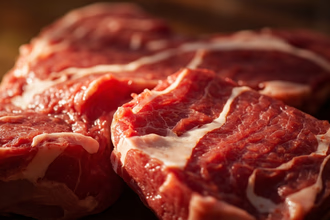
The relationship between fat content and marbling is particularly important in meat quality. Marbling refers to the intramuscular fat distribution, which appears as flecks of fat within the muscle tissue. Higher degrees of marbling generally correlate with improved tenderness, juiciness, and flavor. Meat with abundant marbling often commands a premium price due to its improved consumer appeal.
Varying fat content levels can significantly affect the palatability and marketability of different meat products. For example, lean cuts of meat with lower fat content may be preferred by health-conscious consumers, while fattier cuts are often favored for their improved flavor and tenderness. The appropriate fat content depends on the specific product and target market.
Recommended fat intake varies based on dietary guidelines, but meat can play a role in a balanced diet. It is generally advised to limit saturated fat intake and choose leaner cuts of meat to maintain cardiovascular health. The nutritional value of meat can be optimized by selecting products with appropriate fat content levels.
Accurate fat analysis is vital for meeting both consumer preferences and regulatory requirements. Consumers rely on accurate nutritional labeling to make informed choices about fat content. Regulatory standards also mandate precise fat analysis to assure compliance with labeling laws and health guidelines. By accurately measuring and controlling fat content, meat producers can improve consumer appeal, meet regulatory standards, and provide nutritious products.
Ash Content: Indicator of Mineral Composition
Ash content in meat serves as an important indicator of its mineral composition, reflecting the total inorganic residue remaining after the organic matter has been incinerated. This measurement provides insights into the quality, purity, and nutritional value of meat products. This subsection will explore the significance of ash content as a marker for mineral composition and its role in assessing meat quality.
The minerals that contribute to ash content include key elements such as calcium, phosphorus, potassium, sodium, magnesium, iron, zinc, and copper. These minerals are vital for various physiological functions, including bone health, nerve function, and enzyme activity. The mineral composition of meat contributes to its overall nutritional value and its role in a balanced diet.
Ash content can be used to evaluate the quality and purity of meat products. Consistent ash content levels indicate that the meat has been processed and handled properly, without significant loss of minerals. Deviations from expected ash content levels may suggest quality issues or inconsistencies in processing.
Abnormal ash content levels can indicate contamination or adulteration of meat products. For example, excessively high ash content may suggest the addition of bone fragments, mineral fillers, or other non-meat substances. Conversely, low ash content might indicate excessive leaching of minerals during processing. Monitoring ash content helps assure product authenticity and safety.
Analytical methods for determining ash content typically involve complete incineration of a meat sample at high temperatures (e.g., 550°C to 600°C) until only inorganic ash remains. The weight of the ash is then compared to the original weight of the sample to calculate the ash content as a percentage. While this method is relatively simple and widely used, it does not provide information on the specific types of minerals present.
The role of ash analysis is vital in assuring product safety and compliance with industry standards. By monitoring ash content, meat producers can verify that their products meet regulatory requirements for mineral composition and are free from adulteration. Accurate ash content determination supports consumer confidence and helps maintain the integrity of the meat industry.
Methods for Analyzing Meat Composition

To effectively analyze meat composition, various meat analysis methods are employed, ranging from traditional wet chemistry techniques to modern instrumental approaches. These methods provide crucial data on the key components of meat, including protein, fat, moisture, and ash. This section will describe several common meat analysis methods, highlighting their principles, accuracy, and applications.
Traditional Meat Analysis Methods
Traditional meat analysis methods often involve labor-intensive procedures but remain valuable for their accuracy and reliability.
Kjeldahl Method for Protein Analysis: This method determines the total nitrogen content in a meat sample, which is then converted to protein content using a conversion factor. The Kjeldahl method involves digesting the sample with sulfuric acid, neutralizing the digest, distilling the ammonia, and titrating the ammonia. While accurate, this method is time-consuming and involves hazardous chemicals.
Soxhlet Extraction for Fat Analysis: Soxhlet extraction is a traditional method for determining the fat content in meat. The sample is dried and then extracted with a solvent, such as petroleum ether, in a Soxhlet apparatus. The solvent is evaporated, and the remaining residue is weighed to determine the fat content. This method is accurate but can be slow and requires a significant amount of solvent.
Oven Drying Method for Moisture Analysis: The oven drying method is a simple technique for measuring the moisture content in meat. A meat sample is weighed and then dried in an oven at a specific temperature (e.g., 105°C) until a constant weight is achieved. The loss in weight represents the moisture content. This method is straightforward but can be time-consuming and may not be suitable for all types of meat products.
Ashing for Mineral Content: Ashing involves incinerating a meat sample in a furnace at high temperatures (e.g., 550°C) until all organic matter is removed, leaving only inorganic ash. The weight of the ash represents the mineral content. This method is used to determine the total mineral content but does not provide information on individual minerals.
Modern Meat Analysis Methods
Modern meat analysis methods offer faster and more efficient alternatives to traditional techniques.
Near-Infrared (NIR) Spectroscopy: NIR spectroscopy is a rapid and non-destructive technique for analyzing meat composition. NIR spectroscopy measures the absorption of near-infrared light by the meat sample. The resulting spectrum is then correlated with the concentrations of protein, fat, moisture, and other components using chemometric models. NIR spectroscopy offers several advantages over traditional methods, including speed, minimal sample preparation, and the ability to analyze multiple components simultaneously.
Comparison of Meat Analysis Methods
| Method | Accuracy | Speed | Cost-Effectiveness |
|---|---|---|---|
| Kjeldahl | High | Slow | Moderate |
| Soxhlet | High | Slow | Moderate |
| Oven Drying | Moderate | Slow | Low |
| Ashing | Moderate | Slow | Low |
| NIR Spectroscopy | High | Fast | High |
While traditional meat analysis methods provide accurate results, they are often time-consuming and labor-intensive. Rapid analysis technologies like NIR spectroscopy offer a faster and more cost-effective solution for analyzing meat composition. FOSS provides solutions that streamline and improve the accuracy of these analyses, helping meat producers maintain quality and meet regulatory requirements.
Traditional Methods for Meat Composition Analysis
Traditional meat analysis methods have been the cornerstone of quality control in the meat industry for many years. While newer, more rapid techniques have emerged, these methods remain relevant due to their established accuracy and reliability. This subsection will detail the principles, procedures, advantages, and disadvantages of several key traditional meat analysis methods.
Kjeldahl Method for Protein Analysis
The Kjeldahl method is a widely used technique for determining the total protein content in meat. It operates on the principle of measuring the nitrogen content and converting it to protein using a conversion factor (typically 6.25). The method involves three main steps:
Digestion: The meat sample is digested with concentrated sulfuric acid at a high temperature, often with a catalyst such as copper sulfate or selenium. This process converts all nitrogen in the sample into ammonium sulfate.
Distillation: The digest is then neutralized with a strong base (e.g., sodium hydroxide), and the ammonia is distilled off into a receiving solution of boric acid.
Titration: The ammonia trapped in the boric acid solution is then titrated with a standard acid solution to determine the nitrogen content.
Equipment used includes Kjeldahl digestion flasks, a digestion block, a distillation apparatus, and titration equipment. Potential sources of error include incomplete digestion, loss of ammonia during distillation, and inaccuracies in titration. The Kjeldahl method is accurate but time-consuming and requires skilled technicians.
Soxhlet Extraction for Fat Analysis
Soxhlet extraction is a traditional method for determining the fat content in meat based on the principle of solvent extraction. The process involves:
Extraction: A dried meat sample is placed in a porous thimble within a Soxhlet extractor. A solvent, typically petroleum ether or diethyl ether, is heated, and its vapors pass through the thimble, extracting the fat.
Collection: The solvent containing the extracted fat siphons back into the flask, and the process is repeated over several cycles to ensure complete extraction.
Evaporation: The solvent is then evaporated, and the remaining residue (fat) is dried and weighed.
Equipment used includes a Soxhlet extractor, extraction thimbles, a heating mantle, and a rotary evaporator. Potential sources of error include incomplete extraction, loss of solvent, and impurities in the solvent. Soxhlet extraction is accurate but slow and requires careful handling of flammable solvents.
Oven Drying Method for Moisture Analysis
The oven drying method is a straightforward technique for determining the moisture content in meat. The principle is based on measuring the weight loss of a meat sample after drying in an oven:
Weighing: A meat sample is accurately weighed.
Drying: The sample is placed in a drying oven at a specific temperature (usually 105°C) for a defined period or until a constant weight is achieved.
Cooling and Weighing: The dried sample is cooled in a desiccator and then reweighed.
The moisture content is calculated as the difference between the initial and final weights, expressed as a percentage. Equipment used includes an analytical balance, drying oven, and desiccator. Potential sources of error include incomplete drying, decomposition of the sample at high temperatures, and moisture regain during cooling. The oven drying method is simple but time-consuming and may not be suitable for high-fat samples.
Ashing for Mineral Content
Ashing is a method used to determine the total mineral content in meat by completely oxidizing the organic matter:
Weighing: A meat sample is accurately weighed into a crucible.
Incineration: The sample is placed in a muffle furnace at a high temperature (typically 550°C to 600°C) until all organic matter is ashed, leaving only inorganic residue.
Cooling and Weighing: The crucible is cooled in a desiccator and then reweighed.
The weight of the ash represents the total mineral content. Equipment used includes a crucible, muffle furnace, and desiccator. Potential sources of error include incomplete ashing, volatilization of certain minerals at high temperatures, and contamination from the crucible. Ashing provides a measure of total mineral content but does not identify individual minerals.
Advantages and Disadvantages of Traditional Meat Analysis Methods
| Method | Advantages | Disadvantages |
|---|---|---|
| Kjeldahl | Accurate, well-established | Time-consuming, uses hazardous chemicals, requires skilled technicians |
| Soxhlet | Accurate for fat determination | Slow, uses flammable solvents, requires careful handling |
| Oven Drying | Simple, low cost | Time-consuming, may not be suitable for all samples, potential for incomplete drying |
| Ashing | Provides total mineral content | Does not identify individual minerals, potential for volatilization of minerals, requires high temperatures |
In meat processing facilities and laboratories, these traditional meat analysis methods are applied to ensure product quality, meet nutritional labeling requirements, and comply with regulatory standards. While they offer reliable results, the need for faster and more efficient techniques has driven the adoption of modern methods like NIR spectroscopy.
Modern Rapid Analysis Technologies
Modern rapid analysis technologies have significantly improved the field of meat composition analysis, offering substantial gains in speed, efficiency, and cost-effectiveness compared to traditional methods. These advancements enable meat producers to monitor product quality more effectively and make timely adjustments to their processes. This subsection will highlight the principles, advantages, and applications of these innovative techniques.
Near-Infrared (NIR) Spectroscopy
Near-infrared (NIR) spectroscopy is a rapid analysis technique that measures the interaction of near-infrared light with a meat sample. The principle behind NIR spectroscopy is that different components in meat, such as protein, fat, and moisture, absorb NIR light at specific wavelengths. By analyzing the absorption spectrum, the concentrations of these components can be determined simultaneously. NIR spectroscopy involves the following steps:
Sample Preparation: Minimal sample preparation is required, typically involving grinding or homogenizing the meat sample.
Measurement: The sample is placed in the NIR spectrometer, and a beam of near-infrared light is passed through it.
Analysis: The spectrometer measures the amount of light absorbed at different wavelengths, generating a spectrum. This spectrum is then analyzed using chemometric models to quantify the concentrations of various components.
The advantages of NIR spectroscopy include:
Speed: NIR analysis can be performed in a matter of seconds or minutes, significantly faster than traditional methods.
Simultaneous Analysis: Multiple components (e.g., protein, fat, moisture, and collagen) can be analyzed simultaneously.
Non-Destructive: The sample is not destroyed during analysis, allowing for further testing if needed.
Minimal Sample Preparation: Sample preparation is minimal, reducing the risk of errors and saving time.
Cost-Effectiveness: The initial investment in NIR equipment can be offset by reduced labor and reagent costs.
Other Modern Rapid Analysis Techniques
In addition to NIR spectroscopy, other modern techniques have been developed to accelerate meat composition analysis:
Microwave Drying: Microwave drying is used for rapid moisture determination. It involves heating the meat sample with microwave energy, causing the moisture to evaporate quickly. The weight loss is then measured to determine the moisture content. This method is faster than traditional oven drying but requires careful calibration.
Automated Extraction Systems: Automated extraction systems streamline the fat extraction process, reducing the need for manual labor and improving reproducibility. These systems often use solvents and automated cycles to extract fat from meat samples efficiently.
Comparison of Rapid Analysis Technologies with Traditional Methods
| Method | Speed | Cost-Effectiveness | Sample Preparation | Accuracy |
|---|---|---|---|---|
| NIR Spectroscopy | Very Fast | High | Minimal | High |
| Microwave Drying | Fast | Moderate | Simple | Moderate to High |
| Automated Extraction | Moderate | Moderate | Automated | High |
| Traditional Methods | Slow | Low | Extensive | High |
Modern rapid analysis technologies offer significant advantages over traditional meat analysis methods in terms of speed, cost-effectiveness, and reduced sample preparation. While traditional methods remain valuable for their accuracy, the efficiency and versatility of techniques like NIR spectroscopy make them an attractive option for meat producers seeking to optimize their quality control processes.
Comparing Accuracy, Speed, and Cost-Effectiveness
Selecting the right meat analysis methods requires a careful evaluation of accuracy, speed, and cost-effectiveness. Both traditional and modern techniques offer distinct advantages and disadvantages, making the choice dependent on specific needs and constraints. This subsection provides a detailed comparison to guide the selection process.
Accuracy
Traditional methods like Kjeldahl (for protein), Soxhlet (for fat), and oven drying (for moisture) are known for their high accuracy. These methods have been refined over decades and serve as reference techniques for validating other methods. However, they are susceptible to errors if not performed carefully. Modern methods, such as NIR spectroscopy, can achieve comparable accuracy when properly calibrated and validated against traditional methods. In some cases, NIR can even offer improved precision due to reduced human error and automated data collection.
Speed
Speed is a major differentiator between traditional and modern meat analysis methods. Traditional methods are typically time-consuming, requiring several hours or even days to complete a single analysis. For instance, Kjeldahl and Soxhlet involve multiple steps, including digestion, extraction, distillation, and titration. By comparison, rapid analysis techniques like NIR spectroscopy can provide results in seconds or minutes, enabling high-throughput analysis and real-time process monitoring. This speed advantage is particularly valuable in large-scale meat processing operations.
Cost-Effectiveness
The cost-effectiveness of different meat analysis methods depends on several factors, including equipment costs, labor costs, reagent costs, and sample throughput. Traditional methods generally have lower initial equipment costs but higher labor and reagent costs per sample. Modern methods, like NIR spectroscopy, involve a higher initial investment in equipment but lower per-sample costs due to reduced labor and reagent consumption. The cost-effectiveness of NIR becomes more pronounced as sample throughput increases.
Data and Case Studies
Several studies have compared the performance of traditional and modern meat analysis methods. For example, a study comparing NIR spectroscopy with the Kjeldahl method for protein analysis in beef found that NIR provided comparable results with a correlation coefficient of 0.95, while reducing analysis time from several hours to less than a minute. Another study comparing Soxhlet extraction with NIR for fat analysis in pork found similar accuracy levels but a significant reduction in solvent usage and labor costs with NIR.
Factors Influencing Method Selection
The choice of meat analysis methods should be based on the following considerations:
Budget Constraints: If budget is a primary concern, traditional methods may be more feasible initially, but the long-term cost savings of modern methods should be considered.
Sample Throughput Requirements: For high-throughput analysis, rapid analysis techniques like NIR spectroscopy are vital.
Desired Level of Accuracy: If the highest possible accuracy is required and time is not a limiting factor, traditional methods may be preferred. However, modern methods can achieve comparable accuracy with proper calibration.
Regulatory Requirements: Some regulatory agencies may specify certain meat analysis methods that must be used for compliance purposes.
Skill Requirements: Traditional methods often require skilled technicians, while modern methods are more automated and require less training.
Guidance on Method Selection
For small-scale meat processors or laboratories with limited budgets, traditional meat analysis methods may be a practical starting point. As the scale of operations increases and the need for faster results becomes more critical, investing in modern rapid analysis technologies like NIR spectroscopy becomes increasingly justified. Ultimately, the most appropriate method depends on a careful assessment of the specific needs and priorities of the organization.
Importance of Quality Control in Meat Analysis
Quality control is paramount in meat analysis to assure accurate, reliable, and consistent results. Effective quality control measures are key for safeguarding consumer health, preventing economic losses, and maintaining compliance with regulatory standards. This section will explore the critical role of quality control in meat analysis and the consequences of inaccurate results.
Quality control measures assure the accuracy and reliability of meat analysis results by minimizing errors and variability. These measures encompass several key elements:
Calibration: Calibration involves adjusting analytical instruments to provide accurate readings by comparing them against known standards. Regular calibration is crucial for maintaining the accuracy of meat analysis equipment.
Standardization: Standardization involves using reference materials with known compositions to verify the performance of analytical methods. This helps assure that meat analysis procedures are consistent and reliable over time.
Validation: Validation is the process of confirming that an analytical method is fit for its intended purpose. This involves evaluating the method's accuracy, precision, sensitivity, and specificity. Validation is vital for assuring that meat analysis results are trustworthy.
Inaccurate meat composition analysis can have severe consequences. Potential health risks arise when nutritional labeling is incorrect, leading to consumers making uninformed dietary choices. Economic losses can occur due to product recalls, rework, or mislabeling. Regulatory issues, such as fines or legal action, may result from non-compliance with food safety standards. Therefore, strong quality control is necessary to mitigate these risks.
Quality control protocols and best practices in meat processing facilities include:
Regular Equipment Maintenance: Assuring that analytical instruments are properly maintained and serviced to prevent malfunctions.
Proficiency Testing: Participating in interlaboratory comparison programs to assess the accuracy of meat analysis results.
Training and Competency: Providing adequate training to personnel performing meat analysis to assure they are competent in their roles.
Documentation and Record Keeping: Maintaining detailed records of all quality control activities, including calibration, standardization, and validation data.
Internal Audits: Conducting regular internal audits to verify compliance with quality control procedures.
Companies like FOSS support quality control efforts by providing precise and consistent analytical data. Their solutions are designed to streamline meat analysis processes and minimize the risk of errors, helping meat producers maintain high standards of product quality and safety.
Ensuring Accuracy and Reliability: Calibration, Standardization, and Validation
In meat analysis, the accuracy and reliability of results hinge on three critical processes: calibration, standardization, and validation. These measures assure that analytical instruments and methods perform consistently and provide trustworthy data. This subsection will define each term, describe the procedures involved, and highlight their importance in maintaining the integrity of meat analysis.
Calibration
Calibration is the process of adjusting an analytical instrument to assure that its readings are accurate and consistent with known standards. It involves comparing the instrument's output to a certified reference material or standard of known composition and adjusting the instrument to minimize the difference between the measured value and the true value. The specific procedures involved in calibration vary depending on the instrument but typically include:
Selecting Appropriate Standards: Choosing certified reference materials that are traceable to national or international standards.
Performing Measurements: Measuring the selected standards using the analytical instrument.
Adjusting Instrument Settings: Adjusting the instrument's settings until the measured values match the certified values of the standards.
Verifying Calibration: Re-measuring the standards to confirm that the calibration is accurate and stable.
Regular calibration is key for maintaining the accuracy of meat analysis instruments and preventing drift over time.
Standardization
Standardization is the process of establishing a consistent and reproducible relationship between the analytical signal and the concentration of the analyte being measured. It involves using reference materials to correct for variations in instrument response and environmental conditions. The procedures involved in standardization typically include:
Preparing Standard Solutions: Preparing a series of solutions with known concentrations of the analyte.
Measuring Standard Solutions: Measuring the prepared solutions using the analytical method.
Creating a Calibration Curve: Plotting the analytical signal against the corresponding concentrations to create a calibration curve.
Analyzing Samples: Using the calibration curve to determine the concentrations of analytes in unknown meat samples.
Standardization helps minimize systematic errors and biases in meat analysis, assuring that results are comparable across different instruments and laboratories.
Validation
Validation is the process of confirming that an analytical method is fit for its intended purpose. It involves evaluating the method's performance characteristics, such as accuracy, precision, sensitivity, specificity, linearity, and range. The procedures involved in validation typically include:
Defining the Scope: Clearly defining the intended use and performance requirements of the analytical method.
Evaluating Performance Characteristics: Conducting experiments to assess the method's accuracy, precision, sensitivity, and other relevant parameters.
Documenting Results: Documenting all validation activities and results in a comprehensive report.
Establishing Acceptance Criteria: Defining acceptance criteria for each performance characteristic and verifying that the method meets these criteria.
Validation provides confidence that the meat analysis method is reliable and produces accurate results under defined conditions.
Importance of Certified Reference Materials and Established Protocols
Using certified reference materials (CRMs) and following established protocols are crucial for calibration, standardization, and validation. CRMs provide traceable and reliable values for the composition of meat samples, allowing for accurate calibration and standardization. Established protocols, such as those published by AOAC International or ISO, provide detailed guidance on performing meat analysis and quality control procedures.
By adhering to these best practices, laboratories can minimize errors and biases in meat composition analysis, assuring that results are accurate and reliable. Regular calibration, standardization, and validation are vital for maintaining the integrity of analytical instruments and methods and for supporting informed decision-making in the meat industry.
Consequences of Inaccurate Meat Composition Analysis
Inaccurate analysis of meat composition can lead to a range of adverse outcomes, affecting consumer health, the financial stability of meat producers, and compliance with legal standards. The potential consequences span health risks, economic losses, and regulatory penalties. This subsection will detail these potential problems resulting from unreliable meat analysis.
Health Risks
Inaccurate analysis can result in misleading nutritional labeling, which poses significant health risks to consumers. If the declared levels of fat, protein, or other nutrients are incorrect, individuals may make inappropriate dietary choices. For example, if a product is labeled as low-fat but actually contains high levels of fat, consumers trying to manage their fat intake could unknowingly exceed their daily limits, leading to weight gain or cardiovascular problems. Similarly, incorrect allergen labeling can trigger severe allergic reactions in sensitive individuals. Accurate meat analysis is, therefore, vital for protecting public health.
Economic Losses
The economic losses associated with inaccurate analysis can be substantial for meat producers and processors. If meat composition is not accurately determined, it can lead to product recalls, rework, or mislabeling. Product recalls are costly, involving the removal of products from store shelves, disposal of contaminated or mislabeled items, and damage to the company's reputation. Mislabeling can result in fines and legal action. Also, inaccurate analysis can erode consumer trust, leading to decreased sales and long-term economic losses. Maintaining accurate meat analysis is key for preserving financial stability and consumer confidence.
Regulatory Issues
Regulatory bodies around the world have established specific requirements for meat composition analysis, and non-compliance can result in significant penalties. These regulations mandate accurate labeling of nutritional content, adherence to food safety standards, and proper documentation of quality control procedures. Inaccurate analysis can lead to non-compliance, resulting in fines, legal action, and even the suspension of operations. For example, in some countries, meat products must meet specific standards for fat content, and inaccurate analysis leading to mislabeling can result in substantial fines and mandatory product recalls.
Real-World Examples
There have been numerous cases where inaccurate analysis has led to significant problems in the meat industry. One example is the horse meat scandal in Europe, where undeclared horse meat was found in products labeled as beef. This inaccurate analysis violated regulatory standards and resulted in a major loss of consumer trust and significant economic losses for the companies involved. Another example involves mislabeling of sodium content in processed meats, which posed health risks for individuals with hypertension or heart conditions. These cases underscore the critical importance of accurate meat analysis and strong quality control measures.
To conclude, the consequences of inaccurate analysis in the meat industry are far-reaching, encompassing health risks for consumers, substantial economic losses for producers, and potential regulatory penalties. Strong quality control and accurate meat analysis are, therefore, vital for safeguarding public health, maintaining financial stability, and assuring compliance with legal standards.
Quality Control Protocols and Best Practices
Implementing effective quality control protocols and best practices is crucial for assuring accurate and reliable meat analysis in meat processing facilities. A comprehensive quality control program encompasses various elements, from sample handling to data analysis, and is key for maintaining high standards of product quality and safety. This subsection will outline key components of such a program and provide examples of best practices.
Key Elements of a Comprehensive Quality Control Program
A comprehensive quality control program should include the following key elements:
Sample Handling: Proper sample handling is critical for obtaining representative and unbiased results. Best practices include using validated sampling plans, collecting samples in a consistent manner, and storing samples under appropriate conditions to prevent degradation or contamination.
Instrument Maintenance: Regular maintenance and calibration of analytical instruments are key for assuring accurate and reliable measurements. Quality control protocols should include scheduled maintenance, performance checks, and calibration using certified reference materials.
Data Analysis: Accurate data analysis is vital for interpreting meat analysis results and making informed decisions. Best practices include using validated software, applying appropriate statistical methods, and reviewing data for outliers or anomalies.
Record-Keeping: Comprehensive record-keeping is necessary for tracking quality control activities and demonstrating compliance with regulatory requirements. Quality control protocols should include maintaining detailed records of sample information, instrument maintenance, calibration data, and analytical results.
Training and Competency Assessment
Adequate training and competency assessment for laboratory personnel are crucial for assuring the accuracy and reliability of meat analysis. Best practices include providing initial and ongoing training on analytical methods, quality control protocols, and data analysis techniques. Competency assessment should involve regular evaluations of personnel performance, including proficiency testing and observation of analytical procedures.
Statistical Process Control (SPC)
Statistical process control (SPC) can be used to monitor and improve the consistency of meat analysis results. SPC involves using statistical techniques to track process performance over time and identify sources of variation. Quality control protocols should include the use of control charts and other SPC tools to monitor analytical results and detect trends or shifts that may indicate a problem with the analytical process. By implementing SPC, meat processing facilities can identify and address potential issues before they lead to inaccurate analysis.
Continuous Improvement
Continuous improvement is an ongoing process of identifying and implementing changes to improve the effectiveness of quality control protocols. Best practices include regularly reviewing quality control data, soliciting feedback from laboratory personnel, and implementing corrective actions to address identified issues. By embracing a culture of continuous improvement, meat processing facilities can maintain high standards of quality control and assure the accuracy and reliability of meat analysis results.
In short, effective quality control protocols and best practices are vital for assuring accurate and reliable meat analysis in meat processing facilities. A comprehensive quality control program encompasses sample handling, instrument maintenance, data analysis, record-keeping, training, competency assessment, and continuous improvement. By implementing these measures, meat processing facilities can safeguard consumer health, prevent economic losses, and comply with regulatory standards.
Conclusion: Ensuring Accuracy and Efficiency in Meat Composition Analysis
Throughout this discussion, it has been shown that accurate and efficient meat composition analysis is of utmost importance for the food industry. A thorough grasp of meat components, coupled with the use of appropriate analytical methods, is key for maintaining quality control, assuring regulatory compliance, and safeguarding consumer health. From traditional wet chemistry techniques to modern rapid analysis technologies, each method offers distinct advantages and disadvantages.
Technological advancements have played a pivotal role in improving the speed and accuracy of meat analysis. Solutions from companies like FOSS have streamlined analytical processes, enabling meat producers to obtain reliable results more quickly and efficiently. These innovations improve productivity but also contribute to better decision-making and improved product quality.
Looking ahead, the future of meat composition analysis promises further advancements in analytical techniques and instrumentation. Continuous improvement and innovation will be crucial for meeting the evolving needs of the food industry and addressing emerging challenges, such as the need for more sustainable and transparent food production practices. As technology continues to advance, meat analysis will become even more integrated into the entire food supply chain, from farm to fork.
To assure the accuracy and efficiency of your meat composition analysis, explore the analytical solutions offered by FOSS. Discover how their innovative technologies can help you optimize your quality control processes, comply with regulatory requirements, and deliver high-quality meat products to consumers.
Frequently Asked Questions
- What are the common methods used to analyze meat composition, and how do they differ?
- Common methods for analyzing meat composition include proximate analysis, which determines moisture, protein, fat, and ash content. Techniques such as gravimetric analysis, where components are separated and weighed, and spectroscopy methods, like near-infrared spectroscopy (NIR), provide rapid assessments without extensive sample preparation. Each method varies in complexity, accuracy, and time efficiency, with gravimetric methods being more labor-intensive but often more reliable for precise measurements, while spectroscopy offers quicker results suitable for routine quality control.
- Why is it important to analyze meat composition in quality control?
- Analyzing meat composition is crucial for several reasons. It ensures the product meets regulatory standards for safety and labeling, helps in maintaining consistent quality, and provides insights into nutritional content. Additionally, it allows producers to identify potential adulteration and assess the overall value of the meat product. Regular analysis can also help improve production processes and meet consumer demand for transparency regarding food composition.
- How does moisture content affect the quality and shelf life of meat?
- Moisture content significantly impacts meat quality and shelf life. Higher moisture content can lead to faster spoilage and microbial growth, reducing shelf life. It can also affect texture and flavor, often resulting in a product that is perceived as less desirable. Conversely, lower moisture levels may enhance preservation but can also lead to a drier texture. Balancing moisture content is essential for maintaining both quality and safety in meat products.
- Are there specific regulations regarding meat composition analysis that producers must follow?
- Yes, producers must adhere to various regulations regarding meat composition analysis, which can vary by region. In many countries, regulatory bodies set standards for labeling and food safety that require accurate composition analysis. Compliance ensures that products are safe for consumption and accurately represented to consumers. Producers often consult guidelines from organizations such as the USDA in the United States or the European Food Safety Authority in the EU to ensure adherence to these regulations.
- What role does consumer demand play in the analysis of meat composition?
- Consumer demand plays a significant role in the analysis of meat composition. As consumers become more health-conscious and interested in food quality, there is increasing demand for transparency regarding nutritional content and sourcing. This has led producers to prioritize detailed analysis to meet consumer expectations and preferences. Additionally, consumer trends, such as preferences for leaner meats or organic certifications, drive the need for thorough compositional analysis to align with market demands.