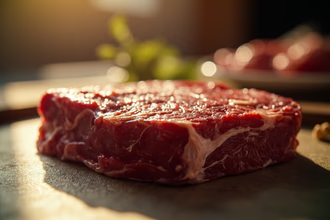
Meat protein analysis is vital for quality control, nutritional labeling, and meeting regulations in the meat industry. Accurate protein determination helps ensure product quality and provides consumers with correct nutritional information. Different methods and technologies exist to analyze protein content in meat products, each with its own advantages.
This article explores the significance of meat protein analysis, various methods used, and the technologies that help determine protein content accurately. It will cover the importance of compliance and how proper analysis contributes to consumer safety and trust.
Key Takeaways
- Meat protein analysis is crucial for quality control, ensuring consistent product texture, flavor, and nutritional value.
- Accurate protein analysis is essential for nutritional labeling, meeting regulatory requirements in regions like the US and EU, and avoiding penalties.
- Protein analysis helps detect inconsistencies and adulteration, such as the addition of plant proteins or fillers, maintaining product authenticity.
- Methods for meat protein analysis include Kjeldahl, Dumas, and Near-Infrared Reflectance (NIR) spectroscopy, each with its own advantages and limitations.
- NIR spectroscopy offers a rapid and cost-effective solution for routine meat protein analysis, providing fast results with minimal sample preparation.
- Certified and validated analytical methods are vital for regulatory compliance, ensuring accurate and reliable results that meet industry standards.
- Accurate protein analysis protects consumer safety by enabling informed dietary choices and detecting potential health hazards from adulteration or undeclared ingredients.
Table of Contents
- Introduction to Meat Protein Analysis
- Why Meat Protein Analysis is Key for Quality Control
- The Role of Protein Analysis in Nutritional Labeling
- Methods and Technologies for Meat Protein Analysis
- Making Sure of Regulatory Compliance with Accurate Protein Analysis
- Conclusion: The Future of Meat Protein Analysis
- Frequently Asked Questions
Introduction to Meat Protein Analysis

In the food industry, the quality and safety of meat products is critical, and accurate meat protein analysis is at the heart of this process. Meat protein analysis is the process of determining the protein content in meat products, which is important for several reasons.
The primary objectives of meat protein analysis are:
- Quality Control: Monitoring protein levels helps maintain consistent product quality.
- Nutritional Labeling: Accurate protein content information is required for nutritional labels, allowing consumers to make informed choices.
- Regulatory Compliance: Meeting regulatory standards for protein content means products are safe and accurately labeled.
Several methods are used for meat protein analysis, including Kjeldahl, Dumas, and Near-Infrared Reflectance (NIR). Accurate and reliable results are vital for meeting quality and regulatory standards. FOSS provides solutions designed for efficient and accurate meat protein analysis, helping businesses maintain high standards.
Why Meat Protein Analysis is Key for Quality Control
Meat protein analysis plays a key role in maintaining high-quality standards in meat production. The protein content of meat directly affects its texture, flavor, and how appealing it is to consumers. By analyzing protein levels, producers can identify any inconsistencies or adulteration in their meat products.
Here are some quality issues that protein analysis can help detect:
- Inconsistent Protein Levels: Variations in protein content can affect the texture and taste of the final product.
- Adulteration: Protein analysis can reveal if cheaper ingredients have been added to the meat, which lowers the overall quality.
- Processing Issues: Problems during processing can lead to protein loss or damage, which affects the meat's nutritional value and quality.
FOSS solutions help make sure of consistent product quality by providing accurate and reliable protein analysis. This allows manufacturers to maintain high standards and meet consumer expectations.
Impact of Protein Content on Meat Quality Attributes
Protein content significantly influences the key quality attributes of meat. These attributes include texture, water-holding capacity, and overall palatability. The relationships between protein levels and these qualities are rooted in the structure and function of muscle proteins.
Here’s how protein levels affect meat quality:
- Texture: Higher protein content can lead to a firmer texture, while lower protein can result in a more tender product. The type and structure of proteins, such as collagen and myofibrillar proteins, determine the meat's tenderness or firmness.
- Water-Holding Capacity: Proteins bind water within the muscle tissue. Adequate protein levels help retain moisture, which influences juiciness and prevents the meat from drying out during cooking.
- Palatability: Protein content affects the flavor and mouthfeel of meat. The breakdown of proteins during aging and cooking releases flavorful compounds, and sufficient protein is needed for a satisfying sensory experience.
For example, if the protein content is too low, the meat may be less firm and have a less desirable texture. If protein content is too high or the protein is damaged, the meat can be tough and dry. Meat protein analysis is therefore important for predicting and controlling these attributes, allowing producers to maintain consistent quality and meet consumer expectations.
Detecting Inconsistencies and Adulteration Through Protein Analysis
Protein analysis is a tool for identifying inconsistencies in meat products. Variations in protein content between different batches or products that are labeled with the same nutritional information can be easily detected. This helps manufacturers maintain consistent quality and meet labeling requirements.
Protein analysis is also useful in detecting adulteration, such as the addition of non-meat proteins or fillers. These substances are sometimes added to increase volume or reduce production costs, which compromises the quality and authenticity of the meat product.
Here are some examples of adulteration practices that protein analysis can uncover:
- Addition of Plant Proteins: Soy or other plant-based proteins may be added to meat products to increase protein content at a lower cost.
- Use of Fillers: Non-protein fillers can be used to increase the bulk of the product, diluting the actual meat protein content.
- Collagen Enrichment: Adding excessive amounts of collagen, a lower-quality protein, can distort the overall protein profile.
By accurately measuring protein content and identifying unusual protein profiles, producers can verify product authenticity and prevent fraud.
Examples of Quality Issues Detected by Protein Analysis
Meat protein analysis can identify various quality defects that impact product quality, consumer satisfaction, and regulatory compliance.
Here are some examples:
- Low Protein Content:
Low protein content can result from poor animal nutrition or inefficient processing methods. For instance, inadequate feed can lead to lower muscle protein development in livestock. Similarly, overcooking or excessive trimming during processing can cause protein loss. Consequences include reduced nutritional value, poor texture, and failure to meet labeling requirements.
- High Protein Content:
High protein content may indicate the addition of protein isolates or concentrates to increase the apparent protein level. This practice is often used to mask the use of lower-quality meat or to meet specific protein targets artificially. However, this can lead to an imbalanced amino acid profile, altered taste and texture, and potential mislabeling issues.
- Variations in Protein Composition:
Differences in protein composition can arise from using different meat sources or cuts. For example, using a higher proportion of connective tissue (collagen) versus muscle tissue can alter the protein profile. This can affect the meat's tenderness, cooking properties, and overall palatability. Consumers may notice differences in taste and texture, leading to dissatisfaction.
By identifying these issues through accurate protein analysis, manufacturers can take corrective actions to improve product quality, maintain consumer trust, and ensure compliance with regulations.
The Role of Protein Analysis in Nutritional Labeling

Accurate protein labeling on meat products is mandated by law in many regions, including the US and the EU. These regulations are in place to give consumers the correct nutritional information so they can make informed dietary choices. Accurate protein analysis is therefore critical for complying with these requirements.
Inaccurate labeling can lead to significant consequences, such as:
- Fines and penalties from regulatory bodies.
- Product recalls, resulting in financial losses.
- Damage to brand reputation and loss of consumer trust.
Reliable analytical methods are important for generating accurate nutritional information. These methods ensure that the protein content declared on the label matches the actual protein content in the product. Accurate labeling builds consumer confidence and helps maintain a brand's reputation for quality and honesty.
Protein Labeling Requirements in Key Regions (US, EU, etc.)
Protein labeling regulations for meat products vary across different regions, each with specific requirements for the information that must be displayed on product labels.
- United States:
In the U.S., the Food and Drug Administration (FDA) mandates that the Nutrition Facts label include the amount of protein in grams per serving. While the % Daily Value (%DV) for protein is not mandatory, it can be included. The label must accurately reflect the protein content as determined by approved analytical methods.
- European Union:
The European Union requires that nutrition declarations include the amount of protein in grams per 100g or per 100ml, and per serving. The information must be presented in a clear and legible format. Similar to the U.S., accurate protein analysis is important for compliance.
Accurate meat protein analysis is important for meeting these diverse requirements. Failing to comply with these regulations can result in product recalls, fines, and damage to brand reputation.
Consequences of Inaccurate Protein Labeling
Inaccurate protein labeling on meat products can result in several negative outcomes.
- Fines and Legal Penalties:
Regulatory agencies, such as the FDA in the United States and similar bodies in the EU, impose fines and penalties for inaccurate nutritional labeling. These fines can be substantial and may increase with repeated offenses.
- Product Recalls:
If a product is found to have inaccurate protein labeling, it may be subject to a recall. Recalls are costly, involving the removal of products from shelves, notification of customers, and potential disposal of the affected goods.
- Damage to Brand Reputation:
Inaccurate labeling erodes consumer trust. Consumers rely on accurate nutritional information to make informed purchasing decisions, and misleading labels can damage a brand's reputation, leading to decreased sales and customer loyalty.
- Competitive Disadvantage:
Companies that consistently provide accurate labeling gain a competitive advantage. Consumers are more likely to trust and purchase products from brands known for their transparency and accuracy.
Investing in reliable analytical methods is therefore crucial to avoid these risks and maintain consumer trust and regulatory compliance.
The Importance of Reliable Analytical Methods for Accurate Labeling
The selection of an analytical method is important for generating accurate protein values for nutritional labeling. The accuracy and reliability of different methods can be affected by several factors, including sample preparation, calibration, and instrument performance.
Here's why reliable methods are important:
- Sample Preparation: Proper sample preparation techniques, such as homogenization and representative sampling, are needed to ensure the sample analyzed is representative of the entire batch.
- Calibration: Regular calibration of analytical instruments using certified reference materials is critical for accurate measurements.
- Instrument Performance: Maintaining the analytical instrument in optimal condition through regular maintenance and quality control checks is important for consistent and reliable results.
Using certified and validated methods is important to ensure compliance with regulatory standards. These methods have undergone rigorous testing and validation to ensure their accuracy and reliability.
Methods and Technologies for Meat Protein Analysis
Several methods are available for meat protein analysis, each with its own principles, advantages, and limitations. The main methods include Kjeldahl, Dumas, and Near-Infrared Reflectance (NIR) spectroscopy.
- Kjeldahl Method:
The Kjeldahl method is a traditional technique for determining the nitrogen content in meat samples, which is then converted to protein content using a conversion factor. This method involves digesting the sample with sulfuric acid, neutralizing the acid, and then titrating the ammonia released. While accurate, the Kjeldahl method is time-consuming and involves the use of corrosive chemicals.
- Dumas Method:
The Dumas method, also known as the combustion method, involves combusting the meat sample at high temperatures and measuring the nitrogen gas released. Like the Kjeldahl method, the nitrogen content is then converted to protein content. The Dumas method is faster than the Kjeldahl method but requires specialized equipment.
- Near-Infrared Reflectance (NIR) Spectroscopy:
NIR spectroscopy is a rapid and cost-effective method for meat protein analysis. NIR involves shining a beam of near-infrared light onto the meat sample and measuring the reflected light. The absorption patterns in the reflected light are correlated with the protein content. NIR is non-destructive and requires minimal sample preparation. FOSS offers NIR solutions specifically designed for meat analysis, providing fast and accurate results.
In terms of accuracy, both Kjeldahl and Dumas methods are considered highly accurate, while NIR offers good accuracy with the benefit of speed and ease of use. NIR spectroscopy is often preferred for routine meat protein analysis due to its speed and cost-effectiveness.
Kjeldahl Method: Principles, Advantages, and Limitations
The Kjeldahl method is a technique used for meat protein analysis, based on determining the total nitrogen content in a sample and converting it to protein content using a conversion factor. The method involves three main steps: digestion, distillation, and titration.
- Digestion:
The meat sample is heated with concentrated sulfuric acid and a catalyst. This process breaks down the organic matter and converts the nitrogen present in the sample into ammonium sulfate.
- Distillation:
After digestion, the solution is neutralized with a base, and the ammonia is distilled off. The ammonia is collected in a receiving solution, typically boric acid.
- Titration:
The amount of ammonia collected is then determined by titration with a standard acid solution. The nitrogen content is calculated based on the amount of acid used in the titration.
The Kjeldahl method offers several advantages. It is accurate and can be applied to a variety of meat products. However, it also has limitations. The method is time-consuming and involves the use of hazardous chemicals like sulfuric acid. Potential interferences from non-protein nitrogen compounds can also affect the accuracy of the results.
Dumas Method: Principles, Advantages, and Limitations
The Dumas method is another technique used for meat protein analysis, which relies on the combustion of the sample to determine the total nitrogen content. This nitrogen content is then used to calculate the protein content.
Here’s how the Dumas method works:
- Combustion: The meat sample is combusted in a high-temperature furnace in the presence of oxygen. This process converts all the nitrogen in the sample into nitrogen gas (N2).
- Reduction: The combustion gases pass through a reduction column to remove any oxygen or nitrogen oxides.
- Detection: The nitrogen gas is then measured using a thermal conductivity detector (TCD). The amount of nitrogen detected is directly proportional to the total nitrogen content in the sample.
The Dumas method offers several advantages. It is faster and can be automated, reducing the need for manual labor. It also eliminates the use of hazardous chemicals, making it a more environmentally friendly option. However, the Dumas method has some limitations. The initial cost of the equipment is higher compared to the Kjeldahl method. Matrix effects, caused by differences in sample composition, can also affect the accuracy of the results.
NIR Spectroscopy: A Rapid and Cost-Effective Solution
Near-Infrared Reflectance (NIR) spectroscopy is a rapid and cost-effective method for meat protein analysis. It is based on the principle that molecules absorb near-infrared light at specific wavelengths, and the amount of absorption is related to the concentration of the component of interest, in this case, protein.
Here's how NIR spectroscopy works:
- Interaction with Meat Samples: A beam of near-infrared light is directed onto the meat sample. The light interacts with the molecules in the sample, causing some of it to be absorbed and some to be reflected.
- Spectral Analysis: The reflected light is collected and analyzed by a spectrometer. The resulting spectrum, which is a plot of absorbance versus wavelength, contains information about the composition of the sample.
- Protein Prediction: The spectrum is then used to predict the protein content of the sample. This is done using a calibration model, which is developed by correlating NIR spectra with protein values obtained from reference methods (e.g., Kjeldahl or Dumas) for a set of representative samples.
NIR spectroscopy offers several advantages. It is rapid, with analysis times typically less than a minute. It is also non-destructive, meaning the sample is not altered during the analysis. Plus, NIR can analyze multiple components simultaneously, such as fat and moisture, in addition to protein. However, NIR spectroscopy also has limitations. It requires calibration against reference methods, and the accuracy of the results depends on the quality of the calibration model. Matrix effects, caused by variations in sample composition, can also affect the accuracy of the results.
Making Sure of Regulatory Compliance with Accurate Protein Analysis

Meat protein analysis is critical for meeting regulatory requirements related to meat composition and safety. Several regulations and standards require protein content verification to make sure that meat products are safe, accurately labeled, and meet quality standards.
Accurate protein analysis helps avoid penalties and make sure of consumer safety by:
- Verifying that meat products meet minimum protein content requirements.
- Making sure that product labels accurately reflect the protein content.
- Detecting adulteration or the presence of unauthorized additives.
Certified and validated analytical methods play a key role in achieving regulatory compliance. These methods provide reliable and accurate results, giving manufacturers confidence in their compliance efforts.
Key Regulations Requiring Protein Content Verification in Meat
Several key regulations mandate protein content verification in meat products across different regions.
- USDA Regulations (United States):
The United States Department of Agriculture (USDA) has regulations that require accurate labeling of meat products, including protein content. The USDA's Food Safety and Inspection Service (FSIS) enforces these regulations. Meat products must meet specific protein content standards, and labels must accurately reflect the protein content. Failure to comply can result in warning letters, product recalls, and fines.
- EU Food Labeling Regulations (European Union):
The European Union has food labeling regulations that require nutrition declarations, including protein content, on pre-packaged foods. These regulations are designed to ensure that consumers have access to accurate information about the nutritional content of the food they purchase. The regulations specify the format and content of nutrition labels, including the required units for protein content (grams per 100g or per serving). Non-compliance can lead to product recalls and financial penalties.
These regulations are enforced through regular inspections, laboratory testing, and market surveillance. Non-compliance can result in significant consequences, including financial penalties, product recalls, and damage to brand reputation.
The Role of Certified and Validated Analytical Methods
Using certified and validated analytical methods for meat protein analysis is important to ensure regulatory compliance. These methods have been evaluated for accuracy, precision, and reliability, providing confidence in the results.
A certified and validated method is one that has undergone a rigorous evaluation process to verify its performance characteristics. This process typically involves:
- Accuracy: Determining how close the results obtained using the method are to the true value.
- Precision: Assessing the repeatability and reproducibility of the method.
- Reliability: Evaluating the method's ability to produce consistent results over time and under different conditions.
Organizations like AOAC International play a key role in certifying analytical methods. AOAC International is a globally recognized organization that develops and validates analytical methods for a wide range of industries, including the food industry. Methods that have been certified by AOAC International have undergone a thorough review process and have been shown to meet rigorous performance standards.
Using certified and validated methods provides confidence in the accuracy of results and helps avoid regulatory issues. By using these methods, manufacturers can demonstrate that their products meet regulatory requirements and are accurately labeled.
How Accurate Protein Analysis Protects Consumer Safety
Accurate meat protein analysis plays a key role in protecting consumer safety. Accurate labeling helps consumers make informed dietary choices, particularly for those with specific protein requirements or dietary restrictions. For example, individuals with certain medical conditions may need to monitor their protein intake, and accurate labeling enables them to do so.
Protein analysis can also detect adulteration or the presence of undeclared ingredients that could pose health risks to consumers. For example, the addition of non-meat proteins or fillers may trigger allergic reactions in sensitive individuals. Accurate protein analysis can identify these undeclared ingredients, helping to prevent potential health hazards.
Here are some examples of how inaccurate protein analysis could lead to potential health hazards:
- Allergic Reactions: If a meat product contains undeclared soy protein due to adulteration, individuals with soy allergies could experience allergic reactions.
- Nutritional Imbalance: Inaccurate protein labeling could lead to consumers not meeting their protein needs, or over consuming protein which can cause kidney problems.
By providing accurate information about protein content and detecting potential adulterants, meat protein analysis helps protect consumers from potential health risks and enables them to make informed choices about the food they eat.
Conclusion: The Future of Meat Protein Analysis
Meat protein analysis provides key benefits for quality control, nutritional labeling, and regulatory compliance. Accurate and reliable analytical methods are important for product quality, meeting labeling requirements, and protecting consumer safety.
Emerging trends in meat protein analysis include the development of faster, more automated techniques. These advancements promise to improve efficiency and reduce costs, enabling manufacturers to maintain high standards more easily.
The commitment of FOSS remains to providing solutions for the meat industry, supporting quality and safety through advanced protein analysis technologies.
Learn more about FOSS solutions for meat protein analysis on fossanalytics.com.
Frequently Asked Questions
- Why is meat protein analysis important for consumers?
- Meat protein analysis is crucial for consumers as it ensures that the products they purchase meet specific nutritional standards and labeling requirements. Accurate protein content information helps consumers make informed dietary choices, particularly for those who rely on protein intake for health and fitness goals. Additionally, this analysis helps protect consumers from misleading claims about the quality and nutritional value of meat products.
- What are the common methods used for meat protein analysis?
- Common methods for meat protein analysis include the Kjeldahl method, which measures nitrogen content to estimate protein levels, and the Dumas method, which also assesses nitrogen but does so via combustion. Other techniques include near-infrared spectroscopy (NIR) for rapid analysis and high-performance liquid chromatography (HPLC) for detailed amino acid profiling. Each method has its advantages and applicability based on the type of meat and analysis required.
- How does meat protein analysis impact regulatory compliance?
- Meat protein analysis impacts regulatory compliance by ensuring that meat products adhere to food safety standards and labeling regulations established by governing bodies. Accurate analysis helps meat producers avoid legal penalties and ensures that their products are safe and accurately represented to consumers. Compliance with these regulations is essential for maintaining market access and consumer trust.
- What technological advancements are influencing meat protein analysis?
- Technological advancements such as automation, machine learning algorithms, and more sensitive analytical equipment are significantly improving the accuracy and efficiency of meat protein analysis. Innovations like portable NIR analyzers allow for on-site testing, reducing the time and cost associated with traditional laboratory analyses. These advancements help producers maintain high standards of quality control.
- How can consumers verify the protein content of meat products?
- Consumers can verify the protein content of meat products by checking the nutritional labeling on packaging, which is required by law to disclose such information. Additionally, consumers can seek third-party certifications or lab reports that validate the protein content. Engaging with brands that prioritize transparency and quality assurance can also help in making informed choices regarding meat products.