Meat fat often gets a bad reputation, but it's not as simple as good versus bad. Different types of fat exist in meat, each with unique properties and potential health effects. From saturated to unsaturated fats, knowing their roles can assist people in making better choices about meat consumption. This knowledge is particularly useful for those looking to balance their diet while still enjoying meat.
This article will explore the various types of fat found in meat, discuss their potential benefits and risks, and provide tips on how to make informed decisions. By gaining a clearer view of meat fat, consumers can confidently navigate their dietary choices and enjoy meat as part of a balanced diet.
Key Takeaways
- Meat fat consists of saturated, monounsaturated, and polyunsaturated fats, each with different properties and health implications.
- Saturated fat in meat can raise LDL cholesterol, increasing the risk of cardiovascular disease, so moderation is key.
- Monounsaturated fats, like oleic acid, and omega-3 fatty acids in meat offer potential health benefits, such as supporting heart and brain health.
- CLA (conjugated linoleic acid) found in meat, especially grass-fed, may have anti-cancer and weight management benefits, but more research is needed.
- The overall dietary pattern significantly influences the impact of meat fat on health; a balanced diet rich in fruits, vegetables, and whole grains can mitigate risks.
- Choosing leaner cuts of meat, trimming visible fat, and using healthier cooking methods like grilling or baking can reduce fat intake.
- Informed choices, portion control, and balancing meat with other food groups are essential for enjoying meat as part of a healthy lifestyle.
Table of Contents
Introduction to Meat Fat

Meat fat is a natural component of meat, influencing its quality and taste. It consists primarily of triglycerides, which are molecules composed of glycerol and fatty acids. The presence of meat fat significantly impacts the flavor, juiciness, and texture of meat during cooking.
Meat fat refers to the adipose tissue found within and around muscles of animals. This fat plays a crucial role in cooking, as it renders and bastes the meat, contributing to its tenderness and preventing it from drying out. Meat fat is a key contributor to the distinct flavor profiles associated with different types of meat.
This article will explore the various types of meat fat, including saturated, unsaturated, and trans fats, each with its own unique properties and potential health implications. The goal is to provide readers with a clear picture of the benefits and concerns related to meat fat, enabling them to make informed dietary choices about meat consumption.
Types of Meat Fat: A Detailed Breakdown
Meat contains different types of fat, each affecting its taste and texture. These fats include saturated, monounsaturated, and polyunsaturated fats. The location and proportion of these fats vary depending on the cut of meat and the animal species.
Saturated Fats
Saturated fats are mainly found in meat fat and are known for being solid at room temperature. They are often located as subcutaneous fat (under the skin) and intramuscular fat (marbling). Cuts like ribeye steak and bacon are high in saturated meat fat, which contributes to their rich flavor and firm texture when cooked.
Monounsaturated Fats
Monounsaturated fats are generally considered healthier than saturated fats. In meat, they are found in considerable amounts, particularly in certain cuts and types of meat. For example, beef from grass-fed cattle tends to have a higher proportion of monounsaturated fats. These fats contribute to a smooth, slightly oily texture and a subtle flavor.
Polyunsaturated Fats
Polyunsaturated fats include omega-3 and omega-6 fatty acids, which are important for human health. While meat generally contains lower amounts of polyunsaturated fats compared to saturated and monounsaturated fats, the levels can vary based on the animal's diet. Meat fat from animals fed a diet rich in polyunsaturated fats, such as flaxseed, will have a higher content of these fats. These fats can influence the meat's flavor, giving it a slightly different taste profile.
Fat Distribution in Different Cuts
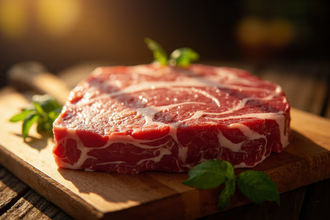
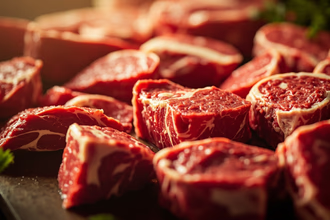
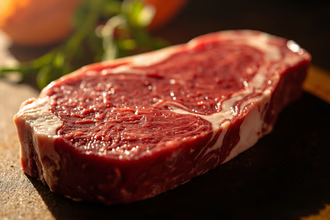
The distribution of meat fat varies significantly across different cuts. Intramuscular fat, or marbling, is highly prized for its contribution to tenderness and flavor. Cuts like tenderloin have less intramuscular fat and are leaner, while cuts like prime rib have abundant marbling, resulting in a richer, more flavorful eating experience. Subcutaneous fat, which is the fat layer under the skin, can be trimmed before cooking, affecting the overall fat content of the dish. The type and location of meat fat play a vital role in determining the culinary qualities of different meats.
Saturated Fat in Meat
Saturated fats, a key component of meat fat, are characterized by their chemical structure, where carbon atoms are fully saturated with hydrogen atoms, lacking double bonds. This structure makes them solid at room temperature and contributes to the distinct mouthfeel and flavor of many meat dishes.
Common sources of saturated fat in meat vary across different types and cuts. In beef, cuts like ribeye, brisket, and ground beef tend to have higher levels of saturated fat, often visible as marbling within the muscle tissue. Pork products such as bacon, sausage, and pork belly are also rich in saturated fat. Poultry, while generally lower in total fat, still contains saturated fat, particularly in the skin and dark meat (e.g., chicken thighs and drumsticks).
Saturated fat significantly influences the flavor and texture of meat. It adds richness and a savory taste. During cooking, saturated fat renders, basting the meat and keeping it moist. The fat also contributes to the development of flavorful compounds through Maillard reaction and other chemical processes.
The impact of saturated fat on health has been a topic of ongoing research and debate. Current dietary guidelines generally recommend limiting saturated fat intake to reduce the risk of cardiovascular diseases. However, some recent studies suggest that the relationship between saturated fat and heart disease is more nuanced and may depend on other dietary and lifestyle factors. It's advisable to follow established guidelines from health organizations while staying informed about evolving research. The saturated fat content is a critical consideration within the overall composition of meat fat, influencing both the culinary properties and health implications of meat consumption.
Monounsaturated Fat in Meat
Monounsaturated fats, another key component of meat fat, differ from saturated fats in their chemical structure, featuring one double bond in their fatty acid chains. This difference gives them a liquid consistency at room temperature and contributes to different health effects compared to saturated fats.
Monounsaturated fats are known for their potential health benefits, particularly in supporting heart health. Research suggests that replacing saturated fats with monounsaturated fats can help lower LDL (bad) cholesterol levels and reduce the risk of cardiovascular diseases. These fats may also have anti-inflammatory properties and play a role in improving insulin sensitivity.
The primary type of monounsaturated fat found in meat is oleic acid, which is also abundant in olive oil. The relative abundance of monounsaturated fats in meat can vary depending on factors such as the animal's diet, breed, and the specific cut of meat.
Certain cuts of meat are relatively high in monounsaturated fat. For example, grass-fed beef tends to have a higher proportion of monounsaturated fats compared to grain-fed beef. Specific cuts like sirloin and tenderloin can also offer a good source of monounsaturated fats as part of their overall meat fat composition. The presence of monounsaturated fat improves the nutritional profile of meat, contributing to a healthier dietary option when consumed in moderation.
Polyunsaturated Fat and Omega-3s in Meat
Polyunsaturated fats in meat encompass omega-3 and omega-6 fatty acids, both of which are vital for human health. These fats are termed "essential" because the human body cannot produce them, so they must be obtained through diet. They play a crucial role in brain function, immune response, and inflammation regulation.
The diet of the animal significantly impacts the omega-3 content of the meat. Animals that consume diets rich in omega-3 fatty acids, such as grass-fed cattle or animals fed flaxseed, will have higher levels of these beneficial fats in their meat fat. This is because these fats are incorporated into the animal's tissues.
The omega-3 content varies among different types of meat. Grass-fed beef generally has a higher omega-3 content compared to grain-fed beef. Similarly, pasture-raised poultry and pork can have a more favorable omega-3 to omega-6 ratio than their conventionally raised counterparts. While meat is not typically the primary source of omega-3s (fish is a better source), it can still contribute to overall intake, especially when sourced from animals raised on omega-3-rich diets.
Polyunsaturated fat, including omega-3s, is an important part of the overall meat fat profile, influencing its nutritional value. By choosing meat from animals raised on appropriate diets, consumers can increase their intake of these fatty acids and promote better health.
Potential Health Benefits of Meat Fat

While meat fat has often been viewed negatively, it also offers potential health benefits due to the presence of specific fatty acids. These benefits are subject to ongoing research, and it's important to consider them within the context of a balanced diet and moderation.
Conjugated linoleic acid (CLA) is one such fatty acid found in meat fat, particularly in grass-fed beef and lamb. Some studies suggest that CLA may have anti-cancer properties, improve immune function, and aid in weight management. However, more research is needed to fully understand these effects in humans.
Omega-3 fatty acids, also present in meat fat (especially in animals raised on omega-3-rich diets), are known for their cardiovascular benefits, anti-inflammatory properties, and role in brain health. While meat is not the richest source of omega-3s compared to fish, it can still contribute to overall intake.
It is important to acknowledge the ongoing debate surrounding meat fat and health. While some studies highlight potential benefits, others focus on the risks associated with high saturated fat intake. Therefore, moderation is key. Choosing leaner cuts of meat, trimming visible fat, and balancing meat consumption with a diet rich in fruits, vegetables, and whole grains can help maximize the potential benefits of meat fat while minimizing potential risks. Meat, including its fat content, contributes to a balanced diet by providing protein, vitamins, and minerals, alongside these potentially beneficial fatty acids.
CLA (Conjugated Linoleic Acid) and Its Benefits
Conjugated linoleic acid (CLA) is a type of fatty acid found in meat fat, especially in meat from grass-fed animals like beef and lamb. It has garnered attention for its potential health benefits, although research is ongoing and findings are not always consistent.
Some studies suggest that CLA may play a role in weight management by reducing body fat and increasing lean muscle mass. The mechanisms behind this effect are not fully understood, but it is believed that CLA can influence lipid metabolism and energy expenditure. Other research indicates that CLA might have anti-cancer properties, potentially inhibiting the growth of certain types of cancer cells. Also, CLA has been investigated for its potential to modulate immune function and reduce inflammation.
While these potential benefits are promising, it's important to acknowledge that the results of scientific studies have been mixed. Some studies have shown positive effects, while others have found no significant impact. More research is needed to confirm these benefits and determine the optimal dosage and form of CLA for human consumption.
CLA is just one component of meat fat, and its presence does not negate the need for a balanced diet. Consuming meat rich in CLA can be part of a healthy eating pattern, but it should be considered alongside other dietary factors, such as overall calorie intake, consumption of fruits and vegetables, and physical activity levels.
Omega-3 Fatty Acids in Meat: Sources and Advantages
Omega-3 fatty acids are a type of polyunsaturated fat present in meat, offering several health advantages. While meat is not as rich in omega-3s as fatty fish, certain types of meat, such as grass-fed beef and lamb, contain appreciable amounts. These fatty acids are valued for their role in supporting brain health, promoting heart health, and reducing inflammation throughout the body.
Omega-3 fatty acids are known to be important for cognitive function and may help reduce the risk of neurodegenerative diseases. They also contribute to cardiovascular health by lowering triglyceride levels, reducing blood pressure, and preventing the formation of blood clots. Also, omega-3s possess anti-inflammatory properties, which can help alleviate symptoms of inflammatory conditions like arthritis.
The omega-3 content of different meat sources varies depending on several factors, primarily the animal's diet. Grass-fed animals tend to have higher levels of omega-3s compared to grain-fed animals because grass is a natural source of these beneficial fats. Similarly, pasture-raised lamb often has a more favorable omega-3 profile than conventionally raised lamb. The specific cut of meat can also influence omega-3 content, with some cuts containing slightly higher amounts than others.
The presence of omega-3 fatty acids contributes to the potential health benefits associated with meat fat. By choosing meat from animals raised on omega-3-rich diets, consumers can increase their intake of these valuable nutrients and support overall well-being. It's important to incorporate meat with omega-3s as part of a balanced dietary approach.
Meat Fat as Part of a Balanced Diet
Meat fat can be a part of a balanced diet when consumed in moderation, contributing to overall health and well-being. Fat plays several important roles in the body, including providing energy, supporting hormone production, and aiding in the absorption of fat-soluble vitamins (A, D, E, and K).
Fat is a concentrated source of energy, providing more than twice the calories per gram compared to carbohydrates or protein. This energy is important for fueling physical activity and supporting metabolic processes. Also, fat is necessary for the production of hormones, such as testosterone and estrogen, which regulate various bodily functions. Fat also helps the body absorb and utilize fat-soluble vitamins, which are important for vision, bone health, and immune function.
It's important to consider the overall nutritional profile of meat, not just its fat content. Meat is a valuable source of protein, which is necessary for building and repairing tissues. It also provides important vitamins and minerals, such as iron, zinc, and vitamin B12, which are important for various aspects of health.
To incorporate meat fat into a healthy eating plan, choose leaner cuts of meat, trim visible fat before cooking, and use healthy cooking methods such as baking, grilling, or broiling instead of frying. Balance meat consumption with a diet rich in fruits, vegetables, whole grains, and other nutrient-dense foods. By making informed choices and practicing moderation, individuals can enjoy the potential benefits of meat fat as part of a balanced dietary approach.
Health Concerns and Risks Associated with Meat Fat
While meat fat can offer some benefits, it's also important to acknowledge the potential health concerns and risks associated with its consumption, particularly in excess. Saturated fat, a primary component of meat fat, has been linked to an increased risk of cardiovascular disease in numerous studies.
High saturated fat intake can raise LDL (bad) cholesterol levels, which can contribute to the buildup of plaque in the arteries, increasing the risk of heart attacks and strokes. Established guidelines from health organizations, such as the American Heart Association and the World Health Organization, recommend limiting saturated fat intake to reduce the risk of cardiovascular disease. These guidelines typically advise that saturated fat should make up less than 10% of total daily calories.
It's important to provide context by explaining that overall dietary patterns and lifestyle factors play a significant role in determining health outcomes. A diet high in processed foods, sugary drinks, and refined carbohydrates, combined with a sedentary lifestyle, can exacerbate the negative effects of saturated fat. Conversely, a diet rich in fruits, vegetables, whole grains, and lean protein, along with regular physical activity, can help mitigate these risks.
To mitigate the potential health risks associated with meat fat, consider the following practical advice: practice portion control by limiting meat servings to recommended sizes; choose leaner cuts of meat with less visible fat; trim visible fat before cooking; and use healthy cooking methods such as baking, grilling, or broiling, which allow fat to drip away. By making informed choices and adopting a balanced lifestyle, individuals can minimize the potential risks associated with meat fat consumption.
Saturated Fat and Cardiovascular Health
There is a well-established link between high saturated fat intake, often from sources like meat fat, and an increased risk of cardiovascular disease. Saturated fat has been shown to negatively impact blood cholesterol levels, specifically by raising levels of low-density lipoprotein (LDL) cholesterol, often referred to as "bad" cholesterol.
Increased LDL cholesterol levels can contribute to the buildup of plaque in the arteries, a process known as atherosclerosis. Over time, this plaque can harden and narrow the arteries, restricting blood flow to the heart and other organs. This can lead to a variety of cardiovascular problems, including chest pain (angina), heart attack, and stroke.
Recognizing these risks, leading health organizations provide guidelines for saturated fat intake. The American Heart Association recommends limiting saturated fat to less than 6% of total daily calories, while the World Health Organization suggests a similar limit of less than 10%. These recommendations are based on extensive research demonstrating the adverse effects of high saturated fat consumption on cardiovascular health.
Meat fat is a significant source of saturated fat in many diets, particularly in Western countries where meat consumption is high. Therefore, it's important to be mindful of the amount of meat fat consumed and to make informed choices about meat selection and preparation methods to reduce saturated fat intake and protect cardiovascular health.
The Importance of Overall Dietary Patterns
The impact of meat fat on health is significantly influenced by the overall dietary pattern. It is not just the presence or amount of meat fat that matters, but rather how it fits into the entire spectrum of foods consumed regularly.
A diet characterized by high consumption of processed foods, sugary drinks, and refined carbohydrates can worsen the negative effects of saturated fat found in meat fat. These types of diets often lead to inflammation, insulin resistance, and weight gain, all of which can increase the risk of cardiovascular disease. When saturated fat is consumed within this context, its potential harm is amplified.
Alternatively, a balanced diet rich in fruits, vegetables, whole grains, and lean protein sources can help mitigate the potential risks associated with meat fat. These foods provide key nutrients, fiber, and antioxidants that support overall health and protect against chronic diseases. A dietary pattern focused on whole, unprocessed foods can help maintain healthy cholesterol levels, blood pressure, and blood sugar control, even with moderate consumption of meat fat.
Meat fat, therefore, should be viewed within the broader context of a healthy dietary approach. Making informed choices about the types and amounts of meat consumed, as well as prioritizing a diverse range of nutrient-rich foods, is crucial for promoting long-term health and well-being. A balanced dietary approach allows individuals to enjoy meat as part of a varied and healthful eating pattern.
Strategies for Mitigating Risks
To reduce the potential health risks associated with meat fat consumption, several strategies can be implemented. These strategies focus on making informed choices about meat selection, preparation, and portion sizes.
- Choose Leaner Cuts: Opt for leaner cuts of meat, such as sirloin, tenderloin, and chicken breast without skin. These cuts generally have less saturated fat compared to fattier options like ribeye or bacon.
- Trim Visible Fat: Before cooking, trim away any visible fat from the meat. This simple step can significantly reduce the overall fat content of the dish.
- Use Healthier Cooking Methods: Choose cooking methods that allow fat to drip away from the meat, such as baking, grilling, or broiling. Avoid frying, which can add extra fat and calories.
- Practice Portion Control: Limit meat servings to recommended sizes. A typical serving size is about 3-4 ounces of cooked meat.
- Limit Overall Meat Intake: Consider incorporating more plant-based meals into your diet and reducing overall meat consumption.
By making mindful choices about meat fat, individuals can enjoy meat as part of a healthy lifestyle while minimizing potential health risks. These strategies, when combined with a balanced diet and regular physical activity, contribute to improved well-being and long-term health.
Making Informed Choices About Meat Consumption

Making informed choices about meat consumption involves knowing both the potential benefits and risks associated with meat fat. By considering these factors, individuals can enjoy meat as part of a healthy and balanced diet.
Here are some practical tips for making informed choices:
- Select Leaner Cuts: Choose leaner cuts of meat such as sirloin, flank steak, pork loin, and skinless chicken or turkey. These cuts contain less saturated fat than fattier options.
- Trim Visible Fat: Before cooking, trim away any visible fat from meat. This reduces the overall fat content and helps minimize saturated fat intake.
- Use Healthier Cooking Methods: Opt for cooking methods that allow fat to drain away, such as grilling, broiling, baking, or roasting. Avoid frying, which adds extra fat and calories.
- Practice Portion Control: Be mindful of portion sizes. A typical serving of cooked meat is about 3-4 ounces, roughly the size of a deck of cards.
- Balance with Other Food Groups: Ensure that meat consumption is balanced with plenty of fruits, vegetables, whole grains, and other sources of protein, such as legumes and nuts.
- Read Nutrition Labels: Pay attention to nutrition labels to understand the fat content of different cuts of meat.
It's important to remember that individual dietary needs may vary. Consulting with healthcare professionals or registered dietitians can provide personalized dietary advice based on specific health conditions, lifestyle factors, and nutritional requirements.
A thorough picture of meat fat allows one to make better decisions about incorporating meat into one's diet. With awareness and moderation, meat can be part of a healthy eating pattern.
Selecting Leaner Cuts of Meat
Choosing leaner cuts of meat is a key strategy for managing meat fat intake and promoting a healthier diet. Here's a guide to help you identify and select leaner options at the grocery store or butcher shop:
Beef
- Lean Cuts: Sirloin, tenderloin, flank steak, top round, eye of round.
- How to Recognize: Look for cuts with minimal marbling (streaks of fat within the muscle). Lean cuts will have less visible fat and a more uniform color.
- Fat Content: Lean beef cuts generally have less than 10 grams of total fat and less than 4.5 grams of saturated fat per 3.5-ounce serving.
- Comparison: Compared to fattier cuts like ribeye or brisket, lean beef cuts offer a significantly lower fat content.
Pork
- Lean Cuts: Pork loin, tenderloin, center-cut ham.
- How to Recognize: Choose cuts with a minimal amount of external fat. Pork loin and tenderloin should appear pink and relatively lean.
- Fat Content: Lean pork cuts typically have less than 8 grams of total fat and less than 3 grams of saturated fat per 3-ounce serving.
- Comparison: Compared to fattier options like bacon or pork belly, lean pork cuts provide a much healthier alternative.
Poultry
- Lean Cuts: Skinless chicken breast, skinless turkey breast.
- How to Recognize: Always remove the skin from poultry, as it contains a significant amount of fat. Look for boneless, skinless breast options.
- Fat Content: Skinless poultry breast can have as little as 1-3 grams of total fat per 3-ounce serving.
- Comparison: Compared to dark meat or poultry with the skin on, skinless poultry breast is a very lean choice.
By prioritizing these leaner cuts, you can significantly reduce your intake of meat fat and saturated fat, contributing to a healthier dietary pattern. Always check nutrition labels for specific fat content, as values can vary slightly depending on the source and preparation methods.
Smart Cooking Methods to Reduce Fat
The way meat is cooked can significantly impact its fat content. Choosing smart cooking methods can help minimize the amount of meat fat consumed and promote a healthier meal. Here are some recommended techniques:
- Grilling: Grilling allows fat to drip away from the meat as it cooks, reducing the overall fat content. Use a grill with grates that allow fat to easily drain away.
- Baking: Baking involves cooking meat in the oven without added fats. Place the meat on a rack to allow fat to drip off during cooking.
- Broiling: Broiling is similar to grilling but uses heat from above. Position the meat on a broiler pan to allow fat to drain away.
- Stir-Frying: Stir-frying involves cooking small pieces of meat quickly in a pan with minimal oil. Use a non-stick pan and a small amount of healthy oil, such as olive oil or avocado oil.
Avoid cooking methods that add extra fat, such as frying or using excessive amounts of oil. If pan-frying, use a non-stick pan and a minimal amount of oil. After cooking, drain any excess fat from the pan before serving.
Here are some additional tips for reducing fat during and after cooking:
- Use a meat thermometer to ensure the meat is cooked to a safe internal temperature, avoiding the need for prolonged cooking times that can render out more fat.
- Pat the cooked meat with paper towels to absorb any remaining surface fat.
- When making sauces or gravies, allow the fat to separate and skim it off the top before serving.
By employing these smart cooking methods, you can minimize the amount of meat fat in your meals and enjoy meat as part of a healthier dietary pattern.
Balancing Meat with Other Food Groups
Incorporating meat into a balanced diet that includes plenty of fruits, vegetables, whole grains, and legumes is crucial for overall health and well-being. A balanced approach ensures that you receive a wide range of nutrients and can help mitigate the potential risks associated with meat fat consumption.
Meat should not be the sole focus of your diet. Variety is key to obtaining all the necessary vitamins, minerals, and antioxidants for optimal health. Filling your plate with a colorful array of fruits and vegetables provides key nutrients and fiber, while whole grains offer sustained energy and additional fiber. Legumes, such as beans and lentils, are excellent sources of plant-based protein and fiber, complementing the protein provided by meat.
Here are some examples of healthy meal combinations that feature meat as part of a well-rounded plate:
- Grilled Chicken Salad: Grilled chicken breast served on a bed of mixed greens with a variety of colorful vegetables, such as bell peppers, cucumbers, and tomatoes, topped with a light vinaigrette dressing.
- Lean Beef Stir-Fry: Lean beef stir-fried with a variety of vegetables, such as broccoli, carrots, and snap peas, served over brown rice.
- Pork Tenderloin with Roasted Vegetables: Roasted pork tenderloin served alongside roasted root vegetables like sweet potatoes, carrots, and parsnips.
- Turkey and Black Bean Chili: Ground turkey and black bean chili served with a dollop of Greek yogurt and a sprinkle of chopped cilantro.
By balancing meat with other food groups, you can ensure that you are receiving a diverse range of nutrients and minimizing the potential risks associated with meat fat. A well-rounded diet supports overall health and allows you to enjoy meat as part of a varied and healthful eating pattern.
Conclusion
This article has explored the various aspects of meat fat, from its composition and types to its potential benefits and associated health concerns. Different types of meat fat, including saturated, monounsaturated, and polyunsaturated fats, each have unique characteristics and effects on health. While some fatty acids, such as CLA and omega-3s, may offer potential benefits, it's crucial to acknowledge the risks associated with high saturated fat intake and its link to cardiovascular disease.
Making informed choices about meat consumption involves selecting leaner cuts, trimming visible fat, using healthier cooking methods, and practicing portion control. Balancing meat intake with a diet rich in fruits, vegetables, whole grains, and legumes is important for overall health and well-being.
Moderation and balance are key to enjoying meat as part of a healthy lifestyle. By applying the knowledge gained from this article, readers can make more informed decisions about their dietary habits. It's also advisable to seek further information from reliable sources, such as healthcare professionals and registered dietitians, to receive personalized guidance.
Ultimately, knowing meat fat is a crucial aspect of responsible meat consumption. By being aware of the types of fat present in meat, their potential effects on health, and strategies for making informed choices, individuals can enjoy meat as part of a balanced and healthful eating pattern.
Frequently Asked Questions
- What are the different types of fat found in meat, and how do they vary in composition?
- Meat typically contains several types of fat, including saturated, monounsaturated, and polyunsaturated fats. Saturated fats are solid at room temperature and are found in higher quantities in red meats, while monounsaturated fats, which can be beneficial for heart health, are more prevalent in meats like chicken and certain cuts of beef. Polyunsaturated fats, including omega-3 and omega-6 fatty acids, are found in smaller amounts in certain fish and meats. The composition of these fats can vary significantly depending on the animal's diet, breed, and the specific cut of meat.
- How can I choose healthier cuts of meat when shopping?
- To choose healthier cuts of meat, look for lean options, which contain less fat. Common lean cuts include skinless poultry, pork tenderloin, and certain cuts of beef like sirloin or round steaks. Additionally, consider the method of preparation; grilling, baking, or steaming is generally healthier than frying. Checking labels for fat content and opting for grass-fed or pasture-raised options can also enhance the nutritional profile of the meat.
- What are the health benefits associated with consuming meat fat in moderation?
- Consuming meat fat in moderation can provide several health benefits. It can be a source of essential fatty acids that the body needs for various functions, including hormone production and cell membrane integrity. Certain fats, like monounsaturated fats, can help improve cholesterol levels and reduce heart disease risk. Additionally, fat in meat can aid in the absorption of fat-soluble vitamins (A, D, E, and K), enhancing overall nutrient intake.
- Are there any specific health risks linked to high meat fat consumption?
- Yes, high consumption of saturated fats, often found in red and processed meats, has been linked to increased risk of heart disease, obesity, and certain types of cancer. Additionally, excessive intake of meat fats can contribute to elevated cholesterol levels. It's essential to balance meat fat consumption with a diet rich in fruits, vegetables, whole grains, and healthy fats to mitigate these risks.
- How can I incorporate meat fats into a balanced diet?
- To incorporate meat fats into a balanced diet, focus on moderation and variety. Choose lean cuts of meat and limit portions while adding a variety of plant-based foods to your meals. Pairing meats with vegetables can provide a more nutrient-dense plate. Additionally, consider using cooking methods that reduce fat intake, such as grilling or broiling, and complementing meals with healthy fats like olive oil or avocados for a balanced approach.