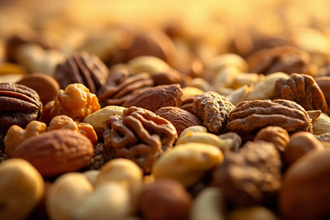

Fats in food often get a bad reputation, but they are important for health. They provide energy, support cell growth, and help the body absorb nutrients. However, not all fats are created equal. Some fats, like those found in avocados and nuts, offer health benefits, while others, such as trans fats, pose risks.
This article explores the different types of food fats, their impact on health, and how to make informed dietary choices. Knowing the role of fat in one's diet can lead to better health and well-being.
Key Takeaways
- Food fats are essential for energy, hormone production, nutrient absorption, and cell structure.
- Saturated fats can raise LDL cholesterol, while unsaturated fats (monounsaturated and polyunsaturated) are generally healthier.
- Trans fats, often found in processed foods, raise LDL cholesterol and lower HDL cholesterol, increasing heart disease risk.
- Essential fatty acids like omega-3 and omega-6, found in fatty fish and nuts, support brain function, heart health, and reduce inflammation.
- Fats aid in the absorption of fat-soluble vitamins (A, D, E, K), which are vital for various bodily functions.
- Excessive intake of saturated and trans fats can lead to increased LDL cholesterol, heart disease, and weight gain.
- Dietary recommendations include prioritizing unsaturated fats, limiting saturated and trans fats, and balancing omega-3 and omega-6 intake.
Table of Contents
Introduction to Food Fats

Food fats are a critical component of the human diet and play numerous vital roles in maintaining health. These fats, also known as lipids, are organic compounds composed of carbon, hydrogen, and oxygen atoms. Their primary function is to provide the body with energy. Food fat is needed for various physiological processes, including hormone production, nutrient absorption, and cell structure.
This article will explore the different types of food fats, such as saturated, unsaturated, and trans fats. Each type has a unique chemical structure and varying effects on the body. With increasing consumer interest in knowing the nutritional content of food, this guide aims to provide a comprehensive overview of food fats, their benefits, and potential risks. The goal is to equip readers with the knowledge to make informed dietary choices that support overall well-being.
Types of Food Fats: Saturated, Unsaturated, and Trans Fats
Food fats come in different forms, each with unique chemical structures and effects on the body. The primary types include saturated, unsaturated (further divided into monounsaturated and polyunsaturated), and trans fats.
Saturated Fats
Saturated food fats are characterized by their chemical structure, where carbon atoms are fully saturated with hydrogen atoms. This structure makes them solid at room temperature. Common food sources high in saturated food fat include butter, coconut oil, red meat, and cheese. Due to their chemical properties, saturated fats can raise levels of LDL cholesterol, which is often referred to as "bad" cholesterol.
Unsaturated Fats
Unsaturated food fats have one or more double bonds in their carbon chains, which affects their shape and behavior. They are typically liquid at room temperature and are considered healthier than saturated fats. There are two main types of unsaturated fats:
- Monounsaturated Fats: These food fats have only one double bond in their fatty acid chains. Olive oil, avocados, and nuts are rich sources. Monounsaturated fats can help improve blood cholesterol levels and reduce the risk of cardiovascular disease.
- Polyunsaturated Fats: These food fats contain multiple double bonds. Examples include salmon, sunflower oil, and flaxseeds. Polyunsaturated fats include omega-3 and omega-6 fatty acids, which are needed for brain function and overall health.
Trans Fats
Trans food fats are a type of unsaturated fat that can occur naturally in some foods but are primarily created through an industrial process called partial hydrogenation. This process solidifies liquid oils and increases shelf life, but it also creates trans fats, which are detrimental to health. Trans fats are found in processed foods such as fried foods, baked goods, and certain margarines. They raise LDL cholesterol and lower HDL cholesterol (the "good" cholesterol), significantly increasing the risk of heart disease.
Cis vs. Trans Unsaturated Fats
The terms "cis" and "trans" refer to the arrangement of hydrogen atoms around the double bond in unsaturated fats. In cis fats, the hydrogen atoms are on the same side of the double bond, causing the molecule to bend. Most naturally occurring unsaturated fats are in the cis form. In trans fats, the hydrogen atoms are on opposite sides of the double bond, resulting in a straighter molecule. This structural difference gives trans fats properties that are similar to saturated fats, leading to negative health effects.
Saturated Fats: Sources and Effects
Saturated food fats are characterized by a chemical structure in which carbon atoms are fully saturated with hydrogen atoms, lacking double bonds. This full saturation is what gives them their properties, most notably their solid state at room temperature.
Common food sources of saturated food fats include animal products like fatty cuts of meat (beef, pork, and lamb), high-fat dairy products (butter, cheese, and cream), and certain tropical oils such as coconut oil and palm oil. Processed foods, like baked goods and fried items, may also contain significant amounts of saturated fats, depending on the oils used in their preparation.
The consumption of foods high in saturated food fat can influence cholesterol levels in the body. Saturated fats have been shown to raise levels of low-density lipoprotein (LDL) cholesterol, often referred to as "bad" cholesterol. Higher LDL cholesterol levels can contribute to the buildup of plaque in the arteries, increasing the risk of heart disease and stroke. For example, regularly consuming foods like butter and fatty meats may lead to higher LDL cholesterol levels, while replacing these with unsaturated fats found in olive oil or avocados may have a more favorable impact on heart health.
Unsaturated Fats: Monounsaturated and Polyunsaturated
Unsaturated food fats are categorized into monounsaturated and polyunsaturated fats based on their chemical structure, specifically the number of double bonds present in their fatty acid chains. Monounsaturated fats have one double bond, while polyunsaturated fats have two or more.
Examples of food sources rich in monounsaturated food fat include olive oil, avocados, nuts (such as almonds and hazelnuts), and seeds (like pumpkin and sesame seeds). These fats are often highlighted for their role in promoting heart health by helping to maintain healthy cholesterol levels.
Polyunsaturated food fats are found in foods like salmon, mackerel, and other fatty fish, as well as walnuts, flaxseeds, sunflower seeds, and oils like soybean and corn oil. Polyunsaturated fats include omega-3 and omega-6 fatty acids, which are important for brain function, reducing inflammation, and supporting overall cell health.
The configuration of hydrogen atoms around the double bond in unsaturated fats can be either cis or trans. In cis unsaturated fats, the hydrogen atoms are on the same side of the double bond, creating a bend in the molecule. This is the naturally occurring form for most unsaturated fats and is associated with health benefits. Trans fats, however, have hydrogen atoms on opposite sides of the double bond, resulting in a straighter molecule that behaves more like saturated fat, which is why they are generally considered detrimental to health.
Trans Fats: Formation and Health Risks
Trans food fats are formed in two primary ways: naturally, in the gut of some animals, and artificially, through a process called hydrogenation. Artificial trans fats are created when liquid oils are converted into solid fats through the addition of hydrogen atoms. This process, known as partial hydrogenation, is used to increase the shelf life and stability of food products.
The main sources of trans food fats in the diet are processed and fried foods. These include items like commercially baked goods (cakes, cookies, and pastries), fried foods (such as french fries and doughnuts), and certain margarines and spreads. While some trans fats occur naturally in small amounts in meat and dairy products, the majority of trans fats consumed come from these artificially hydrogenated sources.
Trans fats are associated with several negative health effects, most notably their adverse impact on cholesterol levels. They raise levels of low-density lipoprotein (LDL) cholesterol, often called "bad" cholesterol, and lower levels of high-density lipoprotein (HDL) cholesterol, known as "good" cholesterol. This combination significantly increases the risk of heart disease, stroke, and other cardiovascular problems. Also, trans fats have been linked to inflammation, insulin resistance, and an increased risk of type 2 diabetes.
Minimizing or avoiding trans food fat intake is important for maintaining heart health. To identify trans fats on food labels, consumers should look for the terms "partially hydrogenated oil" in the ingredient list. Even if the nutrition facts label indicates 0 grams of trans fat, small amounts may still be present if partially hydrogenated oil is listed as an ingredient. Choosing fresh, whole foods and preparing meals at home can help reduce trans fat consumption.
The Health Benefits of Food Fats

Food fats are not just a source of energy; they also play several positive roles in maintaining overall health. When consumed as part of a balanced diet, healthy food fats can contribute to various bodily functions.
One of the most significant benefits of food fats is that they provide fatty acids that are needed, such as omega-3 and omega-6. These fatty acids are needed because the body cannot produce them on its own. Omega-3 fatty acids, found in fatty fish like salmon and flaxseeds, are known for their benefits in supporting brain function, promoting heart health by reducing triglyceride levels, and reducing inflammation throughout the body. Omega-6 fatty acids, present in vegetable oils and nuts, also contribute to brain function and overall growth and development.
Certain food fats aid in the absorption of fat-soluble vitamins, including vitamins A, D, E, and K. These vitamins require fat to be properly absorbed by the body. For example, vitamin D, which is needed for bone health and immune function, is best absorbed when consumed with a source of fat, such as avocado or nuts.
Fats also play a role in hormone production. Hormones like estrogen and testosterone rely on cholesterol, a type of fat, for their synthesis. In addition, fats are a key component of cell membranes, providing structure and support to cells throughout the body.
Consuming healthy food fat in moderation is important for reaping these benefits. Examples of healthy fat sources include avocados, olive oil, nuts, seeds, and fatty fish. Avocados, rich in monounsaturated fats, can help improve cholesterol levels. Olive oil, another source of monounsaturated fats, has anti-inflammatory properties. Nuts and seeds provide both mono- and polyunsaturated fats, along with fatty acids that are needed. Fatty fish, like salmon, offer omega-3 fatty acids that support heart and brain health.
Essential Fatty Acids: Omega-3 and Omega-6
Fatty acids that the body cannot produce on its own and must obtain from food are called fatty acids that are needed. These fats are critical for various physiological functions, making them a crucial part of a healthy diet. The two primary types of fatty acids that are needed are omega-3 and omega-6.
Omega-3 food fats are known for their numerous health benefits, particularly for brain function, heart health, and inflammation reduction. They support cognitive function, improve memory, and may reduce the risk of neurodegenerative diseases. For heart health, omega-3s can help lower triglyceride levels, reduce blood pressure, and decrease the risk of heart disease. Also, they have anti-inflammatory properties, which can help manage conditions like arthritis and other inflammatory disorders. Rich sources of omega-3s include fatty fish such as salmon, mackerel, and sardines, as well as flaxseeds, chia seeds, and walnuts.
Omega-6 food fats play a vital role in growth and development, immune function, and maintaining healthy skin and hair. They contribute to cell structure and function and are involved in the production of hormone-like substances that regulate blood clotting and inflammation. Food sources of omega-6s include vegetable oils like soybean, corn, and sunflower oil, as well as nuts and seeds. While omega-6s are important, it's crucial to consume them in balance with omega-3s.
Maintaining a balanced ratio of omega-3 to omega-6 food fat in the diet is important because these fats compete for the same enzymes in the body. An imbalance, with excessive omega-6 intake and insufficient omega-3 intake, can promote inflammation and increase the risk of chronic diseases. Health organizations generally recommend a ratio of omega-6 to omega-3 between 4:1 and 2:1. Achieving this balance involves increasing omega-3 intake through foods like fatty fish and flaxseeds while moderating the consumption of foods high in omega-6s, such as processed foods and certain vegetable oils.
Fat-Soluble Vitamins and Fat Absorption
Food fats play a crucial role in the absorption of fat-soluble vitamins, which include vitamins A, D, E, and K. These vitamins are not water-soluble, meaning they require fat to be properly absorbed from the digestive tract into the bloodstream. Without an adequate amount of fat in the diet, the body cannot efficiently absorb these vitamins, potentially leading to deficiencies.
Each of these vitamins has specific roles in maintaining health:
- Vitamin A: Important for vision, immune function, and cell growth. It supports the health of the cornea and retina in the eyes and helps the body fight off infections.
- Vitamin D: Needed for bone health, immune function, and calcium absorption. It helps maintain strong bones and teeth and supports the immune system's ability to fight off pathogens.
- Vitamin E: Acts as an antioxidant, protecting cells from damage caused by free radicals. It also supports immune function and helps maintain healthy skin.
- Vitamin K: plays a key role in blood clotting and bone health. It helps the body form blood clots to prevent excessive bleeding and supports bone density.
Fat malabsorption, which can occur due to conditions like cystic fibrosis or certain gastrointestinal disorders, can lead to deficiencies in these fat-soluble vitamins. Vitamin deficiencies can result in various health problems, including impaired vision (vitamin A), weakened bones (vitamin D), increased oxidative stress (vitamin E), and bleeding disorders (vitamin K).
To optimize the absorption of fat-soluble vitamins, it is beneficial to combine healthy food fat sources with foods rich in these vitamins. For example:
- Vitamin A: Enjoy a salad with carrots (rich in vitamin A) dressed with olive oil.
- Vitamin D: Consume salmon (a good source of vitamin D) with a side of avocado.
- Vitamin E: Add almonds (rich in vitamin E) to a spinach salad with a vinaigrette dressing.
- Vitamin K: Eat kale (a good source of vitamin K) sautéed in olive oil.
These combinations ensure that the fat-soluble vitamins are properly absorbed, helping to maintain optimal health.
Fats and Hormones
Food fats are fundamental in the production of hormones, particularly steroid hormones. These hormones, which include estrogen, testosterone, cortisol, and aldosterone, are derived from cholesterol, a type of fat. Without adequate fat intake, the body may struggle to produce sufficient amounts of these hormones, potentially leading to hormonal imbalances.
Hormones affect various bodily functions, including metabolism, reproduction, mood, and immune function. For example, thyroid hormones regulate metabolism, while estrogen and testosterone are needed for reproductive health. Cortisol helps the body respond to stress, and insulin regulates blood sugar levels. Because hormones have such wide ranging effects, maintaining hormonal balance is vital for overall health.
Consuming healthy food fat contributes to hormonal balance by providing the necessary building blocks for hormone synthesis. Unsaturated fats, such as those found in avocados, olive oil, and nuts, support hormone production without the negative effects associated with excessive saturated or trans fat intake. These healthy fats help ensure that the body has the raw materials needed to create hormones efficiently.
Examples of hormones that rely on fats for their synthesis include:
- Estrogen: needed for reproductive health, bone density, and cardiovascular health in women.
- Testosterone: needed for muscle mass, bone density, and libido in men and women.
- Cortisol: helps regulate the body's response to stress, blood sugar levels, and inflammation.
- Aldosterone: helps regulate blood pressure and electrolyte balance.
Incorporating sources of healthy food fat into the diet is one way to support hormonal balance and overall well-being.
Potential Risks of Excessive Food Fat Consumption
While food fats are needed for various bodily functions, excessive consumption, especially of certain types, can lead to negative health outcomes. Saturated and trans fats, in particular, pose significant risks when consumed in large quantities.
High saturated food fat intake is linked to increased levels of low-density lipoprotein (LDL) cholesterol, often referred to as "bad" cholesterol. Increased LDL cholesterol can contribute to the buildup of plaque in the arteries, a condition known as atherosclerosis. This plaque buildup narrows the arteries, reducing blood flow to the heart and other organs, which increases the risk of heart disease, heart attack, and stroke. Therefore, moderating saturated fat intake is important for maintaining cardiovascular health.
Trans food fats are even more detrimental due to their dual impact on cholesterol levels. They raise LDL cholesterol and also lower high-density lipoprotein (HDL) cholesterol, known as "good" cholesterol. This combination significantly increases the risk of heart disease and other cardiovascular complications. Trans fats promote inflammation and can contribute to insulin resistance, increasing the risk of type 2 diabetes. Because of these risks, health organizations recommend avoiding or minimizing trans fat intake as much as possible.
Excessive food fat intake, regardless of the type, can contribute to weight gain and obesity. Fats are calorie-dense, providing 9 calories per gram, compared to 4 calories per gram for carbohydrates and proteins. Consuming more calories than the body expends leads to weight gain, and a diet high in fat can easily result in caloric surplus. Obesity increases the risk of various health problems, including heart disease, type 2 diabetes, certain cancers, and musculoskeletal disorders.
Recommended daily intake limits for different types of fats vary based on established guidelines. The American Heart Association recommends that saturated fat intake be limited to less than 6% of total daily calories. For someone consuming 2,000 calories per day, this would be about 13 grams of saturated fat. Trans fat intake should be as low as possible. Unsaturated fats, however, can be consumed in moderation as part of a balanced diet, making up a larger portion of the total fat intake. It is always best to consult with a healthcare professional or registered dietitian for personalized dietary advice.
Saturated Fat and Heart Health
A strong link exists between high saturated food fat intake and increased levels of low-density lipoprotein (LDL) cholesterol in the bloodstream. Saturated fats, found predominantly in animal products and certain tropical oils, have been shown to raise LDL cholesterol levels, often referred to as "bad" cholesterol, more than other types of fats.
Increased LDL cholesterol contributes to the development of atherosclerosis, a condition in which plaque accumulates inside the arteries. This plaque is composed of cholesterol, fatty substances, and other cellular debris. Over time, the buildup of plaque hardens and narrows the arteries, reducing blood flow to the heart and other vital organs. This process can lead to various cardiovascular problems, including angina (chest pain), heart attack, and stroke.
Different saturated food fat sources may impact heart health to varying degrees. For example, studies suggest that stearic acid, a type of saturated fat found in beef and chocolate, may have a neutral effect on cholesterol levels compared to other saturated fats like palmitic acid, which is abundant in palm oil and has been shown to significantly raise LDL cholesterol. Dairy fats, while high in saturated fat, may have a less detrimental impact on heart health than saturated fats from processed meats, possibly due to the presence of other beneficial compounds in dairy products.
Several relevant studies and guidelines provide recommendations regarding saturated fat consumption. The American Heart Association advises limiting saturated fat intake to less than 6% of total daily calories to reduce the risk of heart disease. The Dietary Guidelines for Americans recommend keeping saturated fat intake as low as possible while still consuming a nutritionally adequate diet. These guidelines are based on extensive research demonstrating the adverse effects of high saturated fat intake on cardiovascular health.
Trans Fats and Cholesterol Imbalance
Trans food fats pose significant risks to cardiovascular health due to their adverse effects on cholesterol levels. Unlike other fats, trans fats raise low-density lipoprotein (LDL) cholesterol, often referred to as "bad" cholesterol, and also decrease high-density lipoprotein (HDL) cholesterol, known as "good" cholesterol. This dual action creates a cholesterol imbalance that substantially increases the risk of heart disease.
The increase in LDL cholesterol promotes the buildup of plaque in the arteries, leading to atherosclerosis. At the same time, the reduction in HDL cholesterol diminishes the body's ability to remove cholesterol from the arteries, further accelerating plaque formation. This combination of effects makes trans fats particularly harmful to cardiovascular health.
Trans fats negatively affect cardiovascular health through several mechanisms. They promote inflammation, which contributes to the development of atherosclerosis and increases the risk of blood clot formation. Trans fats can also impair the function of the endothelium, the inner lining of blood vessels, which plays a crucial role in regulating blood flow and preventing plaque buildup. They may interfere with the metabolism of fatty acids that are needed, further disrupting cardiovascular function.
Given the significant risks associated with trans food fat, it is important to avoid them as much as possible. Checking food labels for "partially hydrogenated oil" and choosing fresh, whole foods over processed items can help minimize trans fat intake. Health organizations worldwide recommend limiting trans fat consumption to the lowest possible level to reduce the risk of heart disease and promote overall health.
Excessive Fat Intake and Weight Gain
Excessive food fat intake, irrespective of the type of fat, can contribute to weight gain and obesity due to its high caloric density. Fats provide 9 calories per gram, more than double the calories provided by carbohydrates or proteins, which each provide 4 calories per gram. This high caloric density means that consuming even small amounts of fat can significantly increase overall calorie intake.
Fat plays a key role in energy storage within the body. When excess calories are consumed, whether from fats, carbohydrates, or proteins, they are converted into triglycerides and stored in adipose tissue as body fat. Because fats are efficiently stored, a diet high in fat can easily lead to a caloric surplus, resulting in weight gain over time. This excess body fat accumulates, leading to overweight and, eventually, obesity.
Obesity is linked to numerous health problems, including type 2 diabetes, cardiovascular disease, certain types of cancer (such as breast, colon, and endometrial cancer), osteoarthritis, and sleep apnea. The excess weight places strain on the body's systems, leading to metabolic and hormonal imbalances that increase the risk of these chronic diseases. Therefore, managing fat intake is an important aspect of maintaining a healthy weight and reducing the risk of obesity-related health issues.
Strategies for managing fat intake to maintain a healthy weight include:
- Portion Control: Be mindful of serving sizes and avoid overeating high-fat foods.
- Choose Lean Protein Sources: Select lean meats, poultry without skin, and fish over fatty cuts of meat.
- Opt for Low-Fat Dairy Products: Choose skim or low-fat milk, yogurt, and cheese instead of full-fat versions.
- Use Healthy Cooking Methods: Bake, grill, or steam foods instead of frying them.
- Read Food Labels: Pay attention to the fat content of packaged foods and choose options with lower fat levels.
- Incorporate Healthy Fats in Moderation: Include sources of healthy fats like avocados, nuts, seeds, and olive oil in your diet, but in controlled amounts.
By implementing these strategies, individuals can manage their fat intake effectively and maintain a healthy weight, reducing the risk of obesity and associated health complications.
Dietary Recommendations and Practical Tips

Incorporating healthy food fats into the diet while minimizing the intake of unhealthy fats is important for maintaining overall health and well-being. Here are some practical tips and dietary recommendations to help you make informed choices.
Dietary Recommendations:
- Prioritize Unsaturated Fats: Focus on including more monounsaturated and polyunsaturated fats in your diet. These fats are found in foods like olive oil, avocados, nuts, seeds, and fatty fish.
- Limit Saturated Fat Intake: Aim to keep saturated fat intake to less than 6% of your total daily calories. Choose lean protein sources, low-fat dairy products, and limit consumption of high-fat processed foods.
- Avoid Trans Fats: Minimize or eliminate trans fats from your diet by avoiding foods that contain "partially hydrogenated oil."
- Balance Omega-3 and Omega-6 Intake: Strive for a balanced ratio of omega-3 to omega-6 fatty acids by including sources of omega-3s like fatty fish, flaxseeds, and chia seeds in your diet.
Healthy Cooking Methods:
- Baking and Grilling: Use baking, grilling, or steaming instead of frying to reduce the need for added fats.
- Use Non-Stick Cookware: Utilize non-stick pans and cooking sprays to minimize the amount of oil needed for cooking.
- Flavor with Herbs and Spices: Improve the flavor of your dishes with herbs, spices, and citrus juices instead of relying on high-fat sauces and dressings.
Reading Food Labels:
- Check the Nutrition Facts Panel: Look for the total fat content, as well as the amounts of saturated fat, trans fat, and cholesterol.
- Examine the Ingredient List: Identify sources of unhealthy fats by looking for "partially hydrogenated oil," which indicates the presence of trans fats.
- Compare Products: Choose products with lower amounts of saturated and trans fats.
Balanced Meals and Snacks:
- Breakfast: Oatmeal with nuts, seeds, and berries.
- Lunch: Salad with grilled chicken or fish, avocado, and a vinaigrette dressing.
- Dinner: Baked salmon with roasted vegetables and a side of quinoa.
- Snacks: A handful of almonds, a piece of fruit with nut butter, or Greek yogurt with flaxseeds.
It is always best to consult with a registered dietitian or healthcare professional for dietary advice suited to your specific needs and health status. They can help you create a balanced eating plan that includes healthy food fat sources while meeting your individual nutritional requirements.
Choosing Healthy Fat Sources
Selecting the right sources of food fat is important for reaping the health benefits while minimizing potential risks. Here are some specific examples of healthy fat sources and tips for incorporating them into your diet:
- Avocados: Rich in monounsaturated fats, avocados can help improve cholesterol levels and promote heart health. They also provide fiber and several vitamins and minerals. When selecting avocados, choose those that yield slightly to gentle pressure. Add slices of avocado to salads, sandwiches, or use it as a spread on toast.
- Nuts and Seeds: Almonds, walnuts, flaxseeds, chia seeds, and hemp seeds are excellent sources of healthy fats, fiber, and protein. They support heart health, brain function, and provide nutrients that are needed. Opt for raw or lightly roasted nuts and seeds without added salt or sugar. Add a handful of nuts to your snacks, sprinkle seeds on yogurt or oatmeal, or use nut butter as a spread.
- Olive Oil: Extra virgin olive oil is a staple of the Mediterranean diet and is rich in monounsaturated fats and antioxidants. It supports heart health and has anti-inflammatory properties. Choose extra virgin olive oil that is cold-pressed and stored in a dark bottle to protect it from light and oxidation. Use olive oil for salad dressings, sautéing vegetables, or drizzling over cooked dishes.
- Fatty Fish: Salmon, mackerel, sardines, and trout are excellent sources of omega-3 fatty acids, which are important for brain function, heart health, and reducing inflammation. Select wild-caught fish when possible and aim to consume fatty fish at least twice a week. Bake, grill, or steam fatty fish and pair it with vegetables and whole grains.
Portion Sizes:
- Avocados: Aim for about 1/4 to 1/2 of an avocado per serving.
- Nuts and Seeds: A serving size is typically 1/4 cup of nuts or 2 tablespoons of seeds.
- Olive Oil: Use 1-2 tablespoons per serving when cooking or dressing salads.
- Fatty Fish: Aim for a 3-4 ounce serving of cooked fish.
It's important to incorporate these healthy food fat sources into meals and snacks without overdoing it. Be mindful of portion sizes and balance your fat intake with other important nutrients, such as protein, carbohydrates, vitamins, and minerals. Combining these healthy fats with a balanced diet and regular physical activity will help you achieve and maintain optimal health.
Smart Cooking Methods
Adopting smart cooking methods can significantly reduce the need for added fats, promoting healthier meals without sacrificing flavor. Here are some effective techniques:
- Baking: Baking is a versatile method that requires minimal added fats. Roasting vegetables, baking fish, or preparing lean meats in the oven can result in delicious and nutritious meals. Use parchment paper to prevent sticking and eliminate the need for extra oil.
- Grilling: Grilling is an excellent way to cook meats, poultry, and vegetables while minimizing fat. The high heat sears the food, creating a flavorful crust without the need for added oils. Marinate foods beforehand to keep them moist and prevent sticking.
- Steaming: Steaming preserves the nutrients and natural flavors of vegetables without adding any fats. Use a steamer basket or a microwave steamer to cook vegetables to the desired tenderness. Steamed vegetables can be seasoned with herbs, spices, or a drizzle of olive oil after cooking.
- Stir-Frying: Stir-frying involves cooking food quickly in a wok or skillet over high heat with minimal oil. Use a small amount of healthy oil, such as olive oil or avocado oil, and stir the ingredients continuously to prevent sticking and ensure even cooking.
Tips for Using Healthy Oils Sparingly:
- Measure Oils: Use measuring spoons or a spray bottle to control the amount of oil used in cooking.
- Opt for Oil Sprays: Oil sprays provide a fine mist of oil, reducing the overall amount used.
- Use Flavored Oils: Infused oils, such as garlic-infused or herb-infused olive oil, can add flavor without increasing the amount of oil needed.
Using Non-Stick Cookware:
- Invest in Quality Non-Stick Pans: Non-stick cookware reduces the need for added fats by preventing food from sticking to the pan. Ensure that the cookware is free from harmful chemicals like PFOA.
- Properly Maintain Non-Stick Pans: Avoid using metal utensils that can scratch the surface of non-stick pans. Clean them with a soft sponge and avoid high heat settings to prolong their lifespan.
Meal Ideas Featuring Smart Cooking Methods:
- Baked Salmon with Roasted Vegetables: Season salmon fillets with herbs and lemon juice and bake them alongside a medley of roasted vegetables like broccoli, carrots, and bell peppers.
- Grilled Chicken Salad: Grill chicken breasts and serve them over a bed of mixed greens with a variety of colorful vegetables and a light vinaigrette dressing.
- Steamed Broccoli with Garlic and Lemon: Steam broccoli florets until tender-crisp and toss them with minced garlic, lemon zest, and a drizzle of olive oil.
- Stir-Fried Tofu with Vegetables: Stir-fry diced tofu with a variety of vegetables like snap peas, carrots, and mushrooms in a small amount of sesame oil and soy sauce.
By incorporating these smart cooking methods into your routine, you can prepare delicious and healthy meals while minimizing the need for added fats.
Reading Food Labels for Fat Content
Reading food labels is an important skill for making informed choices about the fats you consume. Here's a step-by-step guide on how to interpret the information and select products with healthier food fat profiles:
- Locate the Nutrition Facts Panel: Start by finding the Nutrition Facts panel on the food package. This panel provides detailed information about the nutrient content of the food.
- Check the Serving Size: Pay close attention to the serving size listed at the top of the panel. All the nutrient information provided is based on this serving size. If you consume more or less than the serving size, you'll need to adjust the nutrient values accordingly.
- Identify Total Fat: Look for the "Total Fat" section, which indicates the total amount of fat in a single serving of the food. This number includes all types of fats: saturated, trans, monounsaturated, and polyunsaturated.
- Examine Saturated Fat: Underneath "Total Fat," you'll find "Saturated Fat." This number indicates the amount of saturated fat in a single serving. Remember, it's best to limit your intake of saturated fats.
- Check for Trans Fat: Look for "Trans Fat" on the label. Even if the label says "0g Trans Fat," check the ingredient list for "partially hydrogenated oil," which indicates the presence of trans fats, even in small amounts.
- Note Cholesterol Content: The Nutrition Facts panel also lists cholesterol content. While dietary cholesterol has less impact on blood cholesterol than saturated and trans fats, it's still worth noting, especially if you have specific health concerns.
- Read the Ingredient List: The ingredient list provides additional information about the types of fats used in the product. Ingredients are listed in descending order by weight, so fats listed earlier in the list are present in larger amounts.
Tips for Comparing Products:
- Compare Serving Sizes: Ensure you're comparing similar serving sizes. If the serving sizes differ, adjust the nutrient values to make an accurate comparison.
- Focus on Saturated and Trans Fats: Prioritize products with lower amounts of saturated and trans fats.
- Look for Healthier Fat Sources: Choose products that use healthier fat sources, such as olive oil, avocado oil, or nuts and seeds, as indicated in the ingredient list.
Being aware of serving sizes is also important when evaluating fat content. If you consume multiple servings, you'll need to multiply the fat content by the number of servings you eat. By following these steps and tips, you can effectively read food labels and make informed choices to support a healthy diet.
Conclusion: Making Informed Choices About Food Fats
Throughout this article, the different types of food fats, including saturated, unsaturated, and trans fats, have been discussed, along with their respective impacts on health. It is important to know these differences to make well-informed dietary choices that support overall well-being. By knowing the sources and effects of each type of fat, individuals can better navigate the details of nutrition and optimize their fat intake.
A balanced approach to fat consumption is needed, focusing on incorporating healthy sources like avocados, nuts, seeds, olive oil, and fatty fish into the diet while limiting the intake of saturated and trans fats. Moderation is key, as even healthy fats should be consumed in appropriate portions to avoid excessive calorie intake and potential weight gain. Reading food labels, adopting smart cooking methods, and consulting with healthcare professionals can further aid in making informed decisions about food fat.
By using the knowledge gained from this article, readers are enabled to make better choices about the food fat in their diet. Knowing the health benefits of unsaturated fats and the risks associated with saturated and trans fats can lead to healthier eating habits and improved cardiovascular health. Prioritizing whole, unprocessed foods and preparing meals at home can also contribute to a more balanced and nutritious diet.
Prioritize your health by adopting healthy eating habits today. Make informed choices about the food fats you consume and take steps to support your long-term well-being. A balanced diet, rich in healthy fats and mindful of portion sizes, is a cornerstone of a healthy lifestyle.
Frequently Asked Questions
- What are the main differences between saturated and unsaturated fats?
- Saturated fats are typically solid at room temperature and are found in animal products like meat and dairy, as well as some tropical oils. They can raise LDL cholesterol levels, potentially increasing the risk of heart disease. Unsaturated fats, on the other hand, are usually liquid at room temperature and are found in plant oils, nuts, and fish. They can help improve cholesterol levels and offer various health benefits when consumed in moderation.
- How can I incorporate healthy fats into my diet?
- To incorporate healthy fats into your diet, consider using olive oil or avocado oil for cooking and dressings, adding nuts and seeds to snacks or meals, and including fatty fish like salmon or mackerel a couple of times a week. It's also beneficial to replace butter with healthier fat options, such as nut butters or avocados, and to choose whole foods over processed products that may contain unhealthy trans fats.
- What are trans fats, and why should they be avoided?
- Trans fats are a type of unsaturated fat that has been artificially hydrogenated to make them more solid and shelf-stable. They are often found in processed foods like baked goods, margarine, and fried foods. Trans fats can increase LDL cholesterol levels and lower HDL cholesterol levels, which raises the risk of heart disease and stroke. Health organizations recommend minimizing or eliminating trans fat intake from the diet.
- Are there specific dietary recommendations for fat intake?
- Dietary recommendations generally suggest that fats should make up about 20-35% of your total daily caloric intake. Emphasis should be placed on consuming more unsaturated fats and limiting saturated fats to less than 10% of total calories. It's also advised to avoid trans fats altogether. The emphasis should be on whole, nutrient-dense foods that provide healthy fats, rather than processed foods high in unhealthy fats.
- How do fats contribute to overall health beyond just calorie content?
- Fats play several crucial roles in overall health beyond providing calories. They are essential for the absorption of fat-soluble vitamins (A, D, E, and K), support cell membrane integrity, and are involved in hormone production. Healthy fats also contribute to satiety and can assist in maintaining a healthy weight when included in a balanced diet. Additionally, certain fats, particularly omega-3 fatty acids, have anti-inflammatory properties that can benefit heart and brain health.