In the meat industry, maintaining high standards is crucial. Meat quality control is an approach that includes inspections, lab testing, and audits to ensure a safe and hygienic environment throughout the entire meat supply chain. It involves monitoring every stage, from livestock breeding to processing and transportation, to prevent food safety hazards.
Effective meat quality control delivers safe, consistent, and high-quality products that meet consumer expectations. By implementing the latest technologies and best practices, businesses can build consumer trust, expand market access, and prevent foodborne illnesses. fossanalytics.com provides comprehensive solutions for quality control, helping the meat industry meet these challenges head-on.
Key Takeaways
- Meat quality control is essential for consumer safety, regulatory compliance, and brand reputation, requiring measures throughout sourcing, processing, and distribution.
- Supplier selection should prioritize certifications, audit results, traceability, processing methods, animal welfare, and adherence to food safety standards.
- Critical processing stages like cutting, grinding, mixing, curing, cooking, and packaging require specific control measures to prevent contamination and maintain quality.
- Advanced technologies like NIR spectroscopy, computer vision, and rapid microbial testing enhance efficiency, reduce costs, and improve accuracy in meat quality analysis.
- Proper packaging techniques, temperature, and humidity management during storage and distribution are vital for preserving meat quality and extending shelf life.
- Temperature monitoring systems and refrigerated transport are crucial for maintaining product integrity during distribution.
- Implementing comprehensive control measures and leveraging advanced technologies are key to achieving consistent and superior meat quality, ensuring customer satisfaction and business success.
Table of Contents
Introduction to Meat Quality Control

Meat quality control is a critical aspect of the food industry. It involves implementing measures to ensure that meat products meet certain standards of safety, quality, and consistency. This control is vital for protecting consumers, adhering to regulations, and preserving a brand's good name.
Meat quality control is needed at every stage, including sourcing, processing, and distribution. Poor quality control can lead to health risks for consumers and financial losses for businesses.
fossanalytics.com offers comprehensive control measures that help ensure top meat quality. These solutions assist in maintaining high standards throughout the production process.
Sourcing and Initial Quality Assessment
Sourcing high-quality raw materials is crucial for meat quality control. The quality of the final product depends significantly on the quality of the meat at the beginning of the production process.
Selecting the right suppliers involves several criteria. Factors include the supplier's reputation, certifications, and adherence to food safety standards. Regular audits and assessments of suppliers can help ensure consistent quality.
Upon receiving meat, initial quality checks are vital. These checks typically include:
- Visual inspections to look for discoloration, bruising, or other signs of damage.
- Temperature checks to verify that the meat has been stored and transported at the correct temperature.
- Basic laboratory tests to assess freshness and identify any immediate issues, such as bacterial contamination.
Proper sourcing and thorough initial assessments are the foundation for overall meat quality. By focusing on meat quality control at this early stage, businesses can prevent many potential problems later in the production process.
Supplier Selection Criteria
Selecting the right meat suppliers is a critical step in meat quality control. Several key criteria should be considered to make sure high standards are met from the very beginning.
Important factors include:
- Certifications: Look for suppliers with recognized certifications such as ISO 22000, HACCP, or BRC, which demonstrate a commitment to food safety management systems.
- Audits: Regular audits of suppliers' facilities and processes are important. These audits should assess hygiene practices, processing methods, and overall quality control procedures.
- Traceability Systems: Suppliers should have traceability systems in place, allowing you to track the meat back to its source. This is vital for identifying and addressing any quality issues.
- Processing Methods: Evaluate the suppliers' processing methods to make sure they align with best practices for maintaining meat quality. This includes factors such as chilling, cutting, and packaging techniques.
- Animal Welfare Practices: Ethical treatment of animals can impact meat quality. Assess suppliers' animal welfare practices to make sure they meet acceptable standards.
- Adherence to Food Safety Standards: Suppliers must adhere to all relevant food safety regulations and standards. This includes proper handling, storage, and transportation of meat.
Examples of questions to ask potential suppliers:
- Can you provide details of your food safety management system?
- What are your animal welfare practices?
- How do you ensure traceability of your products?
- What quality control measures do you have in place during processing?
- Can we conduct an audit of your facilities?
By carefully evaluating suppliers based on these criteria, businesses can establish a strong foundation for meat quality control, making sure that only the best raw materials are used in their products.
Initial Quality Checks Upon Receiving Meat
When meat shipments arrive, it's vital to perform immediate quality checks. These checks help identify any issues early on and ensure that only high-quality meat enters the production process.
The following procedures should be followed:
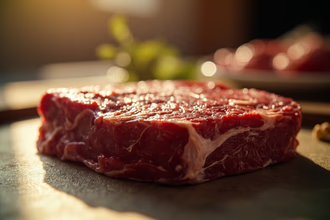
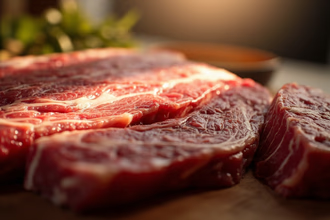
- Visual Inspections: Check the meat for any signs of spoilage. Look for unusual colors, textures, or odors. Fresh meat should have a bright color and a firm texture. Discoloration, slime, or off-putting smells are indicators of potential problems.
- Temperature Checks: Use a calibrated thermometer to check the internal temperature of the meat. The acceptable temperature ranges vary depending on the type of meat:
- Fresh beef and lamb should be below 40°F (4.4°C).
- Pork should also be below 40°F (4.4°C).
- Poultry should be below 40°F (4.4°C).
- Frozen meat should be solid and show no signs of thawing.
- Basic Laboratory Tests: Conduct basic laboratory tests to assess freshness. Common tests include:
- pH Measurement: Use a pH meter to measure the acidity of the meat. Abnormal pH levels can indicate spoilage.
- Microbial Counts: Perform microbial counts to estimate the number of bacteria present. High counts suggest potential contamination or spoilage.
It is important to document all initial assessments. Keep detailed records of visual inspections, temperature readings, and laboratory test results. This documentation is a key part of a comprehensive meat quality control program, providing valuable data for tracking and improving quality over time.
Key Processing Stages and Control Points
Meat processing involves several stages, each with its own set of potential quality issues. Implementing effective control measures at each stage is crucial for making sure a safe and desirable final product. Here are some key processing stages and control points:
- Cutting:
- Potential Issues: Contamination from equipment, improper trimming, bone fragments.
- Control Measures: Regular sanitation of cutting equipment, proper training of personnel, visual inspection for bone fragments.
- Tests/Monitoring: Visual checks, metal detection.
- Grinding:
- Potential Issues: Temperature abuse, bacterial growth, inconsistent particle size.
- Control Measures: Maintaining low temperatures, using sanitized equipment, monitoring particle size.
- Tests/Monitoring: Temperature monitoring, microbial testing, particle size analysis.
- Mixing:
- Potential Issues: Inadequate mixing, uneven distribution of ingredients, allergen cross-contamination.
- Control Measures: Calibrated mixing equipment, proper mixing times, allergen control procedures.
- Tests/Monitoring: Visual inspection, allergen testing.
- Curing:
- Potential Issues: Incorrect curing times, improper salt or nitrite levels, uneven curing.
- Control Measures: Strict adherence to curing recipes, regular monitoring of curing solutions, temperature control.
- Tests/Monitoring: Salt and nitrite analysis, pH measurement.
- Cooking:
- Potential Issues: Under-cooking, overcooking, uneven cooking, temperature abuse.
- Control Measures: Calibrated cooking equipment, regular temperature monitoring, adherence to cooking schedules.
- Tests/Monitoring: Internal temperature checks, cooking time records.
- Packaging:
- Potential Issues: Contamination, improper sealing, incorrect labeling.
- Control Measures: Clean packaging environment, properly calibrated sealing equipment, accurate labeling procedures.
- Tests/Monitoring: Seal integrity testing, label verification.
Consistent meat quality control throughout these processing stages involves regular monitoring, testing, and adherence to established procedures. This makes sure that potential quality issues are identified and addressed promptly, resulting in a final product that is both safe and meets the desired quality standards.
Cutting and Grinding: Maintaining Quality and Preventing Contamination
Cutting and grinding are crucial stages in meat processing, where quality and safety can be significantly impacted. Implementing strict control points is vital to prevent contamination and maintain product quality.
Blade Sharpness:
- Impact: Dull blades can tear the meat, leading to increased surface area and greater potential for microbial growth. Sharp blades ensure clean cuts, reducing the risk of contamination.
- Control Measures: Regular blade sharpening or replacement, visual inspection of blades for damage.
Temperature Control:
- Impact: High temperatures promote bacterial growth. Maintaining low temperatures throughout the cutting and grinding processes inhibits microbial activity.
- Control Measures: Keeping meat at or below 40°F (4.4°C), using refrigerated equipment, monitoring room temperature.
Sanitation Procedures:
- Impact: Inadequate sanitation can lead to cross-contamination and the spread of pathogens. Thorough cleaning and sanitizing of equipment are key.
- Control Measures: Regular cleaning and sanitizing of all equipment, using approved sanitizing agents, following a documented sanitation schedule.
Preventing Cross-Contamination and Microbial Growth:
- Separate raw and cooked meat processing areas.
- Use color-coded equipment for different types of meat to prevent cross-contamination.
- Implement strict hand hygiene practices for all personnel.
- Regularly test meat samples for microbial contamination.
Quality Checks:
- Particle Size Monitoring: Ensure consistent particle size in ground meat by regularly checking samples.
- Fat Content Analysis: Monitor fat content in ground meat to meet product specifications.
- Visual Inspection: Check for any foreign objects or abnormalities in the meat.
Meat quality control during cutting and grinding ensures consistent product characteristics, such as texture, appearance, and composition. By focusing on these critical control points, businesses can minimize the risk of contamination, maintain high-quality standards, and deliver safe products to consumers.
Mixing and Curing: Making Sure Proper Ingredient Dispersion and Preservation
Mixing and curing are critical stages in meat processing, influencing both the flavor profile and shelf life of the final product. Proper control during these stages is vital for achieving consistent results.
Mixing:
- Ingredient Dispersion: Proper mixing makes sure that spices, seasonings, and curing agents are evenly distributed throughout the meat. This is vital for consistent flavor and preservation.
- Mixing Equipment: Use calibrated mixing equipment to ensure accurate and consistent mixing.
- Mixing Time: Adhere to recommended mixing times to achieve uniform distribution of ingredients without overworking the meat.
Curing:
- Temperature: Maintain consistent temperature during curing to ensure proper penetration of curing agents.
- Humidity: Control humidity levels to prevent excessive moisture loss or gain during curing.
- Curing Time: Follow recommended curing times to allow for adequate preservation and flavor development.
Factors Influencing Curing Effectiveness:
- Salt Concentration: Salt inhibits microbial growth and contributes to flavor. Monitor salt levels to ensure they are within acceptable ranges.
- Nitrite Concentration: Nitrites contribute to color development and inhibit the growth of Clostridium botulinum. Monitor nitrite levels closely to comply with regulations.
- pH Levels: pH affects the activity of curing agents. Monitor pH levels to ensure optimal curing conditions.
Tests to Monitor Curing:
- Salt Analysis: Regularly test salt levels in the curing solution and the meat to ensure proper concentration.
- Nitrite Analysis: Monitor nitrite concentrations to maintain regulatory compliance and ensure effective preservation.
- pH Measurement: Measure pH levels in the meat to ensure optimal curing conditions.
Meat quality control during mixing and curing contributes significantly to flavor development and shelf life. By carefully controlling ingredient dispersion and monitoring curing parameters, businesses can produce high-quality, flavorful, and safe meat products.
Cooking and Packaging: Achieving Desired Doneness and Protecting Product Integrity
Cooking and packaging are the final critical stages in meat processing. Proper control during these stages is vital for achieving the desired product characteristics and assuring safety and longevity.
Cooking:
- Temperature: Cooking temperature directly impacts meat safety and doneness. Under-cooking can leave harmful bacteria alive, while overcooking can result in dry, tough meat.
- Time: Cooking time must be carefully controlled to achieve the desired internal temperature without compromising texture.
- Humidity: Humidity levels during cooking can affect juiciness. High humidity can help retain moisture, while low humidity can lead to drying.
Packaging:
- Packaging Methods: Different packaging methods offer varying levels of protection against spoilage and contamination. Common methods include vacuum sealing, modified atmosphere packaging (MAP), and traditional wrapping.
- Material Selection: The packaging material must be appropriate for the type of meat and storage conditions. It should provide a barrier against oxygen, moisture, and light.
- Sealing Integrity: Proper sealing is critical to prevent contamination and maintain product freshness.
Quality Checks:
- Internal Temperature Monitoring: Regularly monitor the internal temperature of cooked meat to ensure it reaches the safe minimum for the specific product.
- Vacuum Sealing Effectiveness: Check vacuum-sealed packages for proper seal integrity. Look for any signs of leaks or loss of vacuum.
- Package Integrity: Inspect packages for any damage, such as tears, punctures, or compromised seals.
- Weight Verification: Verify that the weight of the packaged product matches the label.
Meat quality control in the cooking and packaging stages assures a safe, appealing, and long-lasting product. By carefully controlling cooking parameters and implementing effective packaging methods, businesses can deliver high-quality meat products that meet consumer expectations and regulatory requirements.
Advanced Technologies for Meat Quality Analysis

Modern meat quality analysis relies on advanced technologies to provide objective and accurate assessments of meat composition, freshness, and safety. These technologies offer significant advantages over traditional methods, including increased efficiency, reduced costs, and improved accuracy.
Near-Infrared Spectroscopy (NIR):
- NIR is a rapid and non-destructive technique that can be used to determine the composition of meat, including fat, protein, and moisture content.
- NIR analyzers provide results in seconds, allowing for real-time monitoring of meat quality during processing.
Computer Vision Systems:
- Computer vision systems use cameras and image analysis software to assess the visual characteristics of meat, such as color, marbling, and texture.
- These systems provide objective and consistent assessments, reducing the subjectivity associated with manual inspections.
Rapid Microbial Testing:
- Rapid microbial testing methods, such as PCR and ELISA, allow for the quick detection of harmful bacteria in meat.
- These tests provide results in hours, rather than days, enabling faster response times to potential contamination issues.
The benefits of using these technologies include:
- Increased Efficiency: Advanced technologies automate many of the tasks involved in meat quality analysis, reducing the need for manual labor and speeding up the process.
- Reduced Costs: By improving efficiency and reducing the risk of errors, advanced technologies can help lower the overall costs of meat quality control.
- Improved Accuracy: Advanced technologies provide objective and consistent results, minimizing the potential for human error and improving the accuracy of meat quality assessments.
fossanalytics.com contributes to advanced meat quality control through innovative analytical tools. Their solutions utilize NIR and other advanced technologies to provide rapid and accurate assessments of meat composition and quality.
Near-Infrared (NIR) Spectroscopy for Composition Analysis
Near-Infrared (NIR) spectroscopy is a rapid and non-destructive technique used to analyze meat composition. It provides valuable information about key components such as fat, protein, moisture, and collagen content, all vital aspects of meat quality control.
Principles of NIR Technology:
- NIR spectroscopy measures the absorption of near-infrared light by a sample. Different molecules absorb NIR light at different wavelengths.
- By analyzing the absorption spectrum, it is possible to determine the concentration of various components in the meat sample.
Advantages Over Traditional Chemical Analysis:
- Speed: NIR analysis is much faster than traditional chemical methods, providing results in seconds or minutes.
- Non-Destructive: NIR does not require the destruction of the sample, allowing for repeated measurements on the same sample.
- No Chemicals: NIR does not require the use of chemicals, reducing the risk of exposure to hazardous substances and minimizing waste.
- Cost-Effective: NIR analysis can be more cost-effective than traditional methods due to reduced labor and chemical costs.
Applications of NIR Data:
- Optimizing Processing Parameters: NIR data can be used to adjust processing parameters such as mixing times, cooking temperatures, and drying times to achieve the desired product characteristics.
- Assuring Product Consistency: NIR analysis can be used to monitor the composition of meat products and ensure that they meet specifications for fat, protein, and moisture content.
- Grading and Sorting: NIR can be used to grade and sort meat based on its composition, allowing for the selection of meat with specific characteristics for different applications.
fossanalytics.com offers NIR solutions designed for meat quality control. These analyzers provide rapid and accurate measurements of meat composition, helping businesses optimize their processes and assure product quality.
Computer Vision Systems for Visual Assessment
Computer vision systems are increasingly used in meat quality assessment to provide objective and consistent evaluations of visual characteristics. These systems use cameras and image analysis software to assess various aspects of meat quality, such as color, marbling, and surface defects.
Applications of Computer Vision Systems:
- Color Assessment: Computer vision systems can accurately measure the color of meat, providing an objective assessment of freshness and appearance.
- Marbling Evaluation: These systems can quantify the amount and distribution of intramuscular fat (marbling), which is a key factor in meat quality and palatability.
- Surface Defect Detection: Computer vision systems can identify surface defects such as bruises, discoloration, and foreign objects, helping to ensure product safety and quality.
Benefits of Automated Visual Inspection:
- Increased Objectivity: Computer vision systems eliminate the subjectivity associated with manual visual inspections, providing consistent and reliable results.
- Improved Throughput: These systems can process large volumes of meat quickly, increasing throughput and reducing labor costs.
- Improved Accuracy: Computer vision systems can detect subtle differences in color, marbling, and surface defects that may be missed by human inspectors.
Using Computer Vision Data:
- Meat Grading: Computer vision data can be used to grade meat based on its visual characteristics, providing an objective measure of quality.
- Quality Issue Identification: These systems can identify quality issues early in the processing chain, allowing for corrective actions to be taken to prevent further problems.
fossanalytics.com may offer computer vision solutions designed for meat quality control. These systems provide automated visual assessments of meat, helping businesses improve efficiency and improve product quality.
Rapid Microbial Testing for Improved Food Safety
Rapid microbial testing methods are crucial for detecting and quantifying bacteria, pathogens, and spoilage organisms in meat. These technologies provide faster and more sensitive results compared to traditional culture-based techniques, leading to improvements in food safety and quality control.
Comparison to Traditional Culture-Based Techniques:
- Speed: Rapid methods can provide results in hours, while traditional methods may take days.
- Sensitivity: Rapid methods can detect lower levels of microorganisms than traditional methods.
- Specificity: Rapid methods can identify specific pathogens, while traditional methods may require additional testing for confirmation.
Specific Rapid Testing Technologies:
- Polymerase Chain Reaction (PCR): PCR is a molecular technique that amplifies specific DNA sequences, allowing for the rapid detection of pathogens.
- Enzyme-Linked Immunosorbent Assay (ELISA): ELISA is an immunological technique that uses antibodies to detect specific microorganisms or toxins.
Applications in Meat Quality Control:
- Pathogen Detection: Rapid testing can be used to quickly detect pathogens such as Salmonella, E. coli, and Listeria in meat products.
- Spoilage Organism Detection: These tests can identify spoilage organisms that can cause off-odors, off-flavors, and reduced shelf life.
- Hygiene Monitoring: Rapid testing can be used to monitor the effectiveness of sanitation procedures and identify potential sources of contamination.
fossanalytics.com may offer solutions that support rapid microbial testing. By providing tools for quick and accurate detection of microorganisms, these solutions contribute to improved food safety and quality in the meat industry.
Packaging, Storage, and Distribution Quality Control
Maintaining meat quality during packaging, storage, and distribution is crucial for delivering a safe and high-quality product to consumers. Proper controls in these final stages protect product integrity and extend shelf life.
Packaging Techniques:
- Vacuum Packaging: Removes oxygen to inhibit microbial growth and prevent oxidation.
- Modified Atmosphere Packaging (MAP): Adjusts the gas composition within the package to slow down spoilage.
- Proper Sealing: Ensures the package is airtight to prevent contamination and maintain the desired atmosphere.
- Appropriate Materials: Using packaging materials that are suitable for meat products and storage conditions.
Temperature and Humidity Requirements:
- Chilled Meat: Should be stored at temperatures between 32°F and 40°F (0°C and 4.4°C) with controlled humidity to prevent moisture loss.
- Frozen Meat: Should be stored at temperatures below 0°F (-18°C) to maintain its quality and prevent freezer burn.
- Transportation: Temperature and humidity should be monitored and controlled during transportation to ensure the product remains within the required range.
Monitoring Systems:
- Temperature Loggers: Used to continuously monitor temperature during storage and transportation.
- Humidity Sensors: Used to monitor humidity levels in storage facilities.
- GPS Tracking: Used to track the location of shipments and ensure they are delivered on time.
- Data Loggers: Record temperature, humidity, and other environmental conditions for later analysis.
Effective meat quality control in packaging, storage, and distribution protects product quality and extends shelf life. By using proper packaging techniques, maintaining correct temperature and humidity levels, and implementing monitoring systems, businesses can deliver safe and high-quality meat products to consumers.
Optimizing Packaging Techniques for Meat Preservation
Selecting the right packaging method is crucial for preserving meat quality, preventing spoilage, and extending shelf life. Several packaging techniques are commonly used, each offering unique benefits.
Vacuum Packaging:
- Method: Air is removed from the package before sealing, creating a vacuum around the meat.
- Benefits: Inhibits the growth of aerobic bacteria, reduces oxidation, and prevents freezer burn.
- Applications: Suitable for a wide range of meat products, including fresh cuts, processed meats, and frozen meats.
Modified Atmosphere Packaging (MAP):
- Method: The atmosphere inside the package is modified by adjusting the levels of oxygen, carbon dioxide, and nitrogen.
- Benefits: Slows down spoilage, maintains color, and extends shelf life.
- Applications: Commonly used for fresh meat cuts, ground meat, and poultry.
Skin Packaging:
- Method: A thin plastic film is heated and vacuumed tightly around the meat, creating a skin-like seal.
- Benefits: Provides a secure seal, prevents moisture loss, and improves product presentation.
- Applications: Often used for high-value cuts of meat and ready-to-cook products.
Selecting Appropriate Packaging Materials:
- Type of Meat: Different types of meat have different packaging requirements. For example, fatty meats may require packaging with high oxygen barrier properties to prevent rancidity.
- Storage Conditions: Packaging materials should be selected based on the expected storage conditions, such as temperature and humidity.
- Barrier Properties: Packaging materials should provide a barrier against oxygen, moisture, and light to prevent spoilage and maintain product quality.
Proper packaging is a key component of overall meat quality control. By selecting the appropriate packaging method and materials, businesses can protect product quality, extend shelf life, and improve consumer satisfaction.
Temperature and Humidity Management During Storage
Proper temperature and humidity management during storage is crucial for maintaining the quality and safety of meat products. Different types of meat have specific storage requirements to prevent spoilage and preserve their characteristics.
Temperature Requirements:
- Fresh Meat: Should be stored at temperatures between 32°F and 40°F (0°C and 4.4°C) to slow down microbial growth and maintain freshness.
- Frozen Meat: Should be stored at temperatures below 0°F (-18°C) to prevent freezer burn and maintain its quality.
- Cured Meat: Can be stored at slightly higher temperatures than fresh meat, but should still be kept cool to prevent spoilage.
Humidity Requirements:
- Fresh Meat: Should be stored at a relative humidity of 85-90% to prevent moisture loss and maintain its appearance.
- Frozen Meat: Should be stored at a low humidity to prevent ice crystal formation and freezer burn.
- Cured Meat: Should be stored at a moderate humidity to prevent it from becoming too dry or too moist.
Consequences of Improper Temperature Control:
- Microbial Growth: High temperatures promote the growth of bacteria, yeasts, and molds, leading to spoilage and potential foodborne illness.
- Freezer Burn: Fluctuating temperatures can cause ice crystals to form on the surface of frozen meat, leading to dehydration and loss of quality.
- Loss of Quality: Improper temperature and humidity can cause changes in color, texture, and flavor, reducing the overall quality of the meat.
Best Practices for Maintaining Consistent Temperature and Humidity:
- Use calibrated thermometers and hygrometers to monitor temperature and humidity levels.
- Regularly check and maintain refrigeration equipment.
- Ensure proper air circulation in storage facilities.
- Store different types of meat separately to prevent cross-contamination and maintain optimal storage conditions.
Temperature monitoring systems are a key part of meat quality control during storage. By continuously monitoring temperature and humidity levels, businesses can identify and address any issues promptly, making sure that meat products remain safe and high-quality.
Ensuring Product Integrity During Distribution
Maintaining meat quality during transportation and distribution is crucial for delivering safe and high-quality products to consumers. Several key considerations must be addressed to prevent spoilage and protect product integrity throughout the supply chain.
Refrigerated Vehicles:
- Temperature Control: Use refrigerated vehicles to maintain meat products at the required temperature during transportation.
- Calibration: Make sure that refrigeration equipment is properly calibrated and functioning correctly.
- Maintenance: Regularly maintain vehicles to prevent breakdowns and assure consistent temperature control.
Temperature Monitoring:
- Data Loggers: Use data loggers to continuously monitor temperature during transportation.
- Real-Time Monitoring: Implement real-time monitoring systems to track temperature and humidity levels and receive alerts when excursions occur.
- Documentation: Keep detailed records of temperature data to verify that products have been transported under the required conditions.
Handling and Inspection:
- Proper Handling Procedures: Train personnel on proper handling procedures to prevent damage and contamination.
- Visual Inspection: Conduct visual inspections of meat products upon arrival at their destination to check for any signs of spoilage or damage.
- Temperature Verification: Verify the temperature of meat products upon arrival to make certain they have been transported at the required temperature.
Preventing Temperature Excursions:
- Route Planning: Plan transportation routes to minimize transit times and avoid extreme temperatures.
- Proper Loading: Load meat products properly to ensure adequate air circulation and prevent temperature variations.
- Emergency Procedures: Develop emergency procedures for addressing temperature excursions, such as transferring products to another refrigerated vehicle.
Effective meat quality control during distribution protects product integrity and prevents spoilage. By using refrigerated vehicles, monitoring temperature, implementing proper handling procedures, and preventing temperature excursions, businesses can deliver safe and high-quality meat products to consumers.
Conclusion: Making Sure Consistent Meat Quality

Meat quality control is vital for consumer safety, complying with regulations, and achieving business success. This article has covered the key aspects of maintaining meat quality, from sourcing raw materials to distribution.
Implementing comprehensive control measures at every stage of the meat production process is key. This includes selecting reliable suppliers, conducting thorough quality checks, controlling processing parameters, and maintaining proper storage and transportation conditions.
Future trends in meat quality control point toward increased automation and data-driven decision-making. Advanced technologies such as NIR spectroscopy, computer vision systems, and rapid microbial testing will play an increasingly important role in assuring meat quality and safety.
fossanalytics.com provides the tools and expertise needed to achieve consistent and superior meat quality control. By partnering with FOSS, businesses can assure customer satisfaction, build brand loyalty, and maintain a competitive edge in the market.
Frequently Asked Questions
- What are the key indicators of meat quality that consumers should look for when purchasing?
- Key indicators of meat quality include color, texture, marbling, and odor. Fresh meat typically has a bright red color for beef, a pinkish hue for pork, and a shiny appearance. The texture should be firm but not tough, and marbling—the small flecks of fat within the muscle—indicates juiciness and flavor. Additionally, fresh meat should have a clean, pleasant smell. Consumers should avoid meat that appears dull, has an off-putting odor, or exhibits excessive moisture or sliminess.
- How do modern technologies improve meat quality control during processing?
- Modern technologies enhance meat quality control through various methods such as real-time monitoring systems, automated grading technologies, and advanced food safety protocols. For instance, sensors can monitor temperature and humidity throughout processing to ensure optimal conditions. Automated grading machines utilize imaging technology to assess quality traits, allowing for consistent grading and reducing human error. These technologies also improve traceability, ensuring that any issues can be quickly identified and addressed.
- What practices can consumers adopt to ensure they are buying high-quality meat?
- Consumers can adopt several practices to ensure they are purchasing high-quality meat. It is beneficial to buy from reputable sources, such as local farmers or trusted grocery stores. Checking for certifications, such as organic or grass-fed labels, can also indicate higher quality. Additionally, consumers should inspect the meat's appearance, smell, and packaging dates. Asking questions about the meat's sourcing and processing can provide further insights into its quality.
- Are there specific regulations that meat producers must follow to ensure product safety and quality?
- Yes, meat producers must adhere to various regulations to ensure product safety and quality. In many countries, these regulations include compliance with food safety standards set by governmental agencies, such as the USDA in the United States. Producers are required to implement Hazard Analysis and Critical Control Points (HACCP) systems to identify and control potential hazards. Routine inspections and quality assessments are also conducted to ensure compliance with health and safety standards.
- What role does animal welfare play in meat quality, and how is it assessed?
- Animal welfare significantly impacts meat quality, as stress and poor living conditions can adversely affect the meat's flavor and texture. Assessments of animal welfare include evaluating living conditions, handling practices, and transport methods. Higher welfare standards often lead to healthier animals, which can produce better-quality meat. Certifications such as Animal Welfare Approved or Certified Humane indicate that producers prioritize animal well-being, likely resulting in superior meat products.