Meat quality is a broad term that includes many factors important to both consumers and businesses. These factors range from how the meat looks to its safety and taste. Knowing what contributes to good meat quality helps consumers make better choices and allows businesses to provide superior products. This guide examines the key elements that define meat quality, offering insights into sourcing, processing, storage, and preparation.
For consumers, knowing these factors can lead to more satisfying meals and better health outcomes. For businesses, focusing on meat quality can improve customer satisfaction and build a strong reputation. By exploring these aspects, both parties can work together to improve the standards of the meat industry.
Key Takeaways
- Meat quality is influenced by genetics, feed, pre-slaughter handling, and slaughtering processes.
- Processing methods like aging, curing, and smoking significantly impact meat's tenderness, flavor, and texture.
- Proper temperature control and hygiene during processing and storage are crucial for preventing spoilage and ensuring food safety.
- Packaging technologies such as vacuum packaging and modified atmosphere packaging (MAP) extend shelf life and preserve meat quality.
- Safe storage practices, including refrigeration below 40°F (4°C) and proper freezing techniques, are essential for maintaining meat quality.
- Visual indicators like color and marbling, along with sensorial indicators like aroma and texture, help assess meat quality.
- Cooking meat to the recommended internal temperature is vital for killing harmful bacteria and ensuring food safety.
Table of Contents
Introduction to Meat Quality

The quality of meat impacts both the dining experience for consumers and the bottom line for businesses. But what exactly defines 'meat quality'? It includes factors from how the animal was raised and processed to how the meat is stored and prepared. These elements affect the meat's taste, texture, nutritional value, and safety.
This article will provide information, so consumers and businesses can make informed decisions about meat quality. By knowing the key aspects of meat quality—sourcing, processing, and storage—readers can improve their selection process for better taste and safety. Analytical solutions from companies like fossanalytics.com play a key role in the food industry, helping to ensure standards are met.
Key Factors Influencing Meat Quality
Several factors throughout the animal's life and after significantly affect meat quality. These include genetics, feed, handling before slaughter, and the slaughtering process itself.
Genetics and Animal Breed
An animal's genetic makeup plays a crucial role in determining meat quality. Certain breeds are known for their superior marbling, tenderness, or muscle development. For example, Wagyu cattle are famous for their intense marbling, which leads to a more flavorful and tender eating experience. The genetic predisposition for muscle fiber type also influences tenderness; some breeds naturally have finer muscle fibers, resulting in more tender meat.
Feed and Nutrition
What an animal eats directly impacts the meat quality. A balanced diet that meets the animal's nutritional needs promotes healthy growth and optimal muscle development. For instance, cattle finished on grain often have higher levels of intramuscular fat (marbling) compared to those fed primarily on grass. This marbling contributes to the juiciness and flavor of the meat. Similarly, deficiencies in needed nutrients can lead to tougher, less flavorful meat.
Pre-Slaughter Handling
How animals are handled before slaughter significantly affects meat quality. Stressful conditions can lead to the release of hormones like cortisol and adrenaline, which negatively impact muscle pH and water-holding capacity. This can result in meat that is pale, soft, and exudative (PSE) or dark, firm, and dry (DFD). Proper handling practices, such as minimizing stress during transport and providing a calm environment before slaughter, are crucial for maintaining meat quality.
Slaughtering Processes
The slaughtering process itself is a critical control point for meat quality. Humane handling and stunning techniques are important to minimize stress and ensure animal welfare. Proper bleeding is necessary to remove blood from the carcass, which can affect the meat's appearance and shelf life. Carcass chilling rates also influence tenderness; rapid chilling can cause cold shortening, resulting in tougher meat. Careful attention to each step of the slaughtering process is needed to optimize meat quality.
Genetics and Breed
An animal's genetic makeup is a primary factor determining meat quality. Different breeds possess inherent traits that influence tenderness, marbling (intramuscular fat), and muscle fiber type. These genetic factors significantly contribute to the overall eating experience.
For example, Wagyu cattle are well-regarded for their exceptional marbling, which results in highly flavorful and tender meat. Angus cattle are also known for good marbling and tenderness. Other breeds, like Belgian Blue, are known for their muscle yield, but may require careful management to ensure acceptable tenderness.
Selective breeding programs play a key role in improving meat quality traits. By carefully selecting animals with desirable characteristics and breeding them together, producers can gradually improve the genetic potential of their herds for traits like marbling, tenderness, and growth rate. These programs often use Estimated Breeding Values (EBVs) to predict the genetic merit of animals for specific traits, allowing for more informed breeding decisions.
The breed and genetic background of an animal sets the foundation for meat quality. While other factors like feed and handling can influence the final product, the inherent genetic potential plays a significant role in determining the ultimate quality of the meat.
Feed and Nutrition
The diet of an animal has a direct and significant impact on meat quality. What an animal consumes affects the flavor, texture, and fat composition of the meat it produces. Different feeding strategies can lead to noticeably different end products.
For example, cattle that are grain-fed tend to have higher levels of intramuscular fat, known as marbling. This marbling contributes to a richer flavor and a more tender texture. Grass-fed cattle, however, often produce leaner meat with a different flavor profile, sometimes described as more grassy or gamey. The specific fatty acid composition also varies; grass-fed beef typically has a higher proportion of omega-3 fatty acids.
Specific nutrients play a key role in muscle development and overall meat quality. Protein is important for muscle growth and repair, while adequate energy intake ensures that protein is used efficiently. Minerals like selenium and vitamin E act as antioxidants, which can improve meat color and shelf life. Deficiencies in these or other important nutrients can negatively affect muscle development, leading to tougher, less flavorful meat.
The feed and nutrition an animal receives is a controllable factor that greatly influences meat quality. Producers can manipulate diet to achieve desired characteristics in the final product, whether that's increased marbling, a specific flavor profile, or improved nutritional content.
Pre-Slaughter Handling and Slaughtering Processes
The way animals are treated and processed immediately before and during slaughter significantly influences meat quality. Stressful handling and improper slaughtering techniques can negatively affect tenderness, appearance, and overall acceptability of the meat.
During transportation and lairage (holding pens), animals should be handled gently to minimize stress. Stress activates the release of hormones like cortisol, which can lead to glycogen depletion in muscles. When glycogen levels are low at the time of slaughter, the muscle pH does not decline properly, resulting in dark, firm, and dry (DFD) meat. DFD meat is often tough and has a reduced shelf life. Therefore, minimizing stress during transport, providing adequate rest in lairage, and avoiding overcrowding are important for maintaining meat quality.
Humane stunning methods are crucial for minimizing animal suffering and preventing stress. Effective stunning makes sure that the animal is unconscious and insensible to pain before bleeding. Improper stunning can lead to increased stress and muscle contractions, which can toughen the meat. Proper bleeding techniques are also important for meat quality. Effective bleeding removes blood from the carcass, which improves the meat's appearance and reduces the risk of bacterial growth.
Careful attention to pre-slaughter handling and slaughtering processes is necessary to optimize meat quality. Minimizing stress, making sure humane treatment, and employing proper stunning and bleeding techniques are all important for producing high-quality meat products.
The Role of Processing and Packaging

Processing and packaging play vital roles in maintaining meat quality, safety, and extending shelf life. The methods used after slaughter significantly impact the final product that reaches the consumer.
Processing Methods
Various processing methods can alter the characteristics of meat. Aging, for example, involves storing meat under controlled temperature and humidity conditions to allow natural enzymes to break down muscle fibers, resulting in improved tenderness. Curing involves the addition of salt, nitrates, or nitrites to preserve meat and develop unique flavors. Smoking imparts flavor and also helps to preserve meat by drying its surface and depositing antimicrobial compounds.
Proper temperature control and hygiene are of utmost importance during all processing steps. Maintaining low temperatures inhibits the growth of spoilage bacteria and pathogens, while good hygiene practices prevent contamination. Failure to adhere to these principles can compromise meat quality and safety, leading to spoilage or foodborne illness.
Packaging Techniques
Packaging protects meat from physical damage, contamination, and moisture loss, all of which can negatively impact meat quality. Different packaging types offer varying levels of protection and can influence shelf life. Vacuum packaging removes air from the package, inhibiting the growth of aerobic bacteria and extending shelf life. Modified atmosphere packaging (MAP) involves altering the gas composition within the package to slow down spoilage processes. Skin packaging is another option, where the packaging film tightly conforms to the shape of the meat, minimizing air exposure and preventing freezer burn.
The choice of processing and packaging methods should be carefully considered to optimize meat quality, safety, and shelf life. These steps are critical for delivering a desirable product to the consumer.
Impact of Different Processing Methods
Various processing methods can significantly alter meat quality, influencing tenderness, flavor, and texture. These techniques rely on different scientific principles to modify the meat's composition and appeal to consumer preferences.
- Aging: Aging, whether wet or dry, improves tenderness. Dry aging involves storing meat in a controlled environment where humidity and airflow are regulated. This process allows enzymes naturally present in the meat to break down muscle fibers, resulting in a more tender product and a concentrated flavor. Wet aging, however, involves vacuum-packing meat and storing it under refrigeration. While wet aging also improves tenderness, it does not result in the same level of flavor concentration as dry aging.
- Curing: Curing uses salt, nitrates, or nitrites to preserve meat and impart unique flavors. Salt draws out moisture, inhibiting bacterial growth, while nitrates and nitrites contribute to the characteristic cured color and flavor. Curing also affects the texture of meat, making it firmer and more sliceable.
- Smoking: Smoking exposes meat to smoke from burning wood, which imparts flavor and helps to preserve it. The smoke contains antimicrobial compounds that inhibit bacterial growth, and the drying effect of the smoke also contributes to preservation. The type of wood used influences the flavor profile of the smoked meat.
- Grinding: Grinding involves breaking down meat into small particles, which can improve tenderness and create a uniform texture. Grinding also increases the surface area of the meat, making it more susceptible to spoilage. Therefore, proper hygiene and temperature control are important when grinding meat.
Each of these processing methods alters meat quality in different ways, affecting its tenderness, flavor, and texture. The choice of processing method depends on the desired characteristics of the final product and consumer preferences.
The Importance of Temperature Control and Hygiene
Temperature control and hygiene are critical throughout the entire meat processing chain. Proper management of these factors is necessary to inhibit microbial growth, prevent spoilage, minimize contamination risks, and ensure food safety. These practices directly impact meat quality and extend shelf life.
Maintaining low temperatures slows down the growth of spoilage bacteria and pathogens. Most bacteria thrive in temperatures between 40°F and 140°F (4°C and 60°C), so keeping meat outside of this temperature range is important. Refrigeration and freezing are common methods for preserving meat, but it's important to maintain consistent temperatures to prevent fluctuations that can promote microbial growth.
Hygiene practices are also important for minimizing contamination risks. This includes proper handwashing, cleaning and sanitizing equipment and surfaces, and preventing cross-contamination between raw and cooked products. Employees should be trained on proper hygiene procedures and follow strict guidelines to ensure food safety.
Failure to maintain proper temperature control and hygiene can lead to rapid spoilage of meat, resulting in off-odors, discoloration, and the growth of harmful bacteria. This affects meat quality and also poses a significant risk to consumer health. By adhering to strict temperature control and hygiene practices, processors can ensure that meat products are safe, wholesome, and of high quality.
Packaging Technologies and Meat Preservation
Packaging technologies play a crucial role in preserving meat quality, extending shelf life, and preventing spoilage. Different packaging methods offer varying levels of protection and have different impacts on the final product. Common packaging technologies include vacuum packaging, modified atmosphere packaging (MAP), and skin packaging.
- Vacuum Packaging: Vacuum packaging removes air from the package before sealing, inhibiting the growth of aerobic bacteria and reducing oxidation. This technology helps to extend shelf life, preserve color, and prevent freezer burn. However, vacuum packaging can sometimes result in a slight discoloration of the meat due to the lack of oxygen, and it may not be suitable for all types of meat products due to potential texture changes.
- Modified Atmosphere Packaging (MAP): MAP involves altering the gas composition within the package to create an environment that inhibits spoilage. Typically, MAP uses a mixture of gases such as carbon dioxide, nitrogen, and oxygen to slow down microbial growth and maintain color. MAP can be adjusted to specific meat products to optimize shelf life and meat quality. However, MAP requires specialized equipment and can be more expensive than vacuum packaging.
- Skin Packaging: Skin packaging involves placing meat on a tray and then covering it with a plastic film that tightly conforms to the shape of the product. This creates a tight seal that minimizes air exposure and prevents moisture loss. Skin packaging can improve the appearance of the meat and extend shelf life. However, it can be more expensive than other packaging methods.
Each packaging technology has its own advantages and disadvantages in terms of cost, effectiveness, and environmental impact. The choice of packaging method depends on the specific requirements of the meat product and the desired shelf life and meat quality. Packaging also contributes to the consumer's perception of meat quality, as attractive and well-preserved packaging can improve the appeal of the product.
Storage and Handling Best Practices
Proper storage and handling are important for maintaining meat quality, preventing spoilage, and making sure food safety. Whether you are a consumer or a business, following these guidelines will help you to extend shelf life and enjoy high-quality meat products.
Refrigeration
Meat should be refrigerated promptly after purchase or preparation. The ideal refrigerator temperature is below 40°F (4°C). Store raw meat on the bottom shelf of the refrigerator to prevent juices from dripping onto other foods. Use meat within a few days of purchase, following recommended storage times for different types of meat.
Freezing
Freezing is an effective way to preserve meat for longer periods. Wrap meat tightly in freezer-safe packaging to prevent freezer burn. Label packages with the date of freezing. Frozen meat can maintain its quality for several months, but it's best to use it within the recommended freezing times for optimal meat quality.
Thawing
Thaw meat safely in the refrigerator, in cold water, or in the microwave. Never thaw meat at room temperature, as this can promote bacterial growth. If thawing in cold water, change the water every 30 minutes. If thawing in the microwave, cook the meat immediately after thawing.
Cooking Methods
Cook meat to the recommended internal temperature to kill harmful bacteria and make sure food safety. Use a meat thermometer to check the internal temperature. Different types of meat require different cooking temperatures, so consult a reliable source for guidance. Avoid overcooking meat, as this can make it tough and dry.
Food Safety Tips
- Wash hands thoroughly with soap and water before and after handling raw meat.
- Use separate cutting boards and utensils for raw meat and other foods.
- Clean and sanitize surfaces that have come into contact with raw meat.
- Avoid cross-contamination by keeping raw meat separate from other foods in the refrigerator and during preparation.
Incorrect storage and handling can significantly impact meat quality, leading to spoilage, discoloration, and the growth of harmful bacteria. By following these best practices, you can maintain the quality and safety of your meat products and reduce the risk of foodborne illness.
Refrigeration and Chilling Guidelines
Proper refrigeration is crucial for preserving meat quality and preventing spoilage. Following these guidelines will help you to maximize shelf life and maintain the quality of your meat products.
- Recommended Temperatures: The ideal refrigerator temperature for storing meat is below 40°F (4°C). Use a refrigerator thermometer to monitor the temperature and make adjustments as needed.
- Storage Durations: Different types of meat have different recommended storage durations in the refrigerator. Generally, ground meat should be used within 1-2 days, while steaks, roasts, and chops can be stored for 3-5 days. Poultry should be used within 1-2 days.
- Proper Wrapping and Containerization: Wrap meat tightly in plastic wrap, freezer paper, or aluminum foil to prevent moisture loss and freezer burn. Place wrapped meat in airtight containers or resealable bags to further protect it from contamination.
- Preventing Cross-Contamination: Store raw meat on the bottom shelf of the refrigerator to prevent juices from dripping onto other foods. Keep raw meat separate from cooked foods and ready-to-eat items.
Refrigeration slows down the growth of bacteria and helps to preserve meat quality attributes like color and texture. However, prolonged refrigeration can still lead to changes in these attributes. Meat may become discolored or develop a slimy texture if stored for too long. By following these guidelines, you can maximize the shelf life of meat in the refrigerator while maintaining its quality.
Freezing and Thawing Techniques
Freezing is an effective method for long-term storage of meat, but proper techniques are needed to preserve meat quality and prevent freezer burn. Safe thawing is equally important to minimize bacterial growth and maintain quality.
- Optimal Freezing Temperatures: The ideal freezer temperature is 0°F (-18°C) or lower. This temperature effectively stops microbial growth and slows down enzymatic activity that can degrade meat quality.
- Packaging Methods: Proper packaging is crucial to prevent freezer burn, which occurs when moisture evaporates from the surface of the meat, leading to dehydration and a tough, dry texture. Wrap meat tightly in freezer-safe plastic wrap, freezer paper, or aluminum foil. For added protection, place wrapped meat in freezer bags, removing as much air as possible before sealing. Vacuum sealing is also an effective method for preventing freezer burn.
- Safe Thawing Techniques: Thaw meat safely in the refrigerator, in cold water, or in the microwave. Refrigeration is the safest method, as it keeps the meat at a consistent, cold temperature. Thawing in cold water is faster but requires more attention; submerge the meat in cold water, changing the water every 30 minutes to maintain a low temperature. Microwave thawing should only be used when the meat will be cooked immediately afterward, as it can partially cook the meat and create warm spots that promote bacterial growth. Never thaw meat at room temperature.
Freezing and thawing can affect meat quality characteristics. Freezing can cause ice crystals to form within the muscle fibers, which can disrupt the structure and lead to a slightly softer texture after thawing. Slow thawing in the refrigerator helps to minimize this effect. To minimize quality loss during freezing and thawing, freeze meat as quickly as possible, use proper packaging, and thaw meat slowly and safely.
Safe Cooking Methods and Temperatures
Cooking meat to the correct internal temperature is important for food safety and optimal meat quality. Different types of meat require different cooking methods and temperatures to kill harmful bacteria and achieve the desired level of doneness.
- Recommended Cooking Methods: Different cooking methods are suitable for different cuts of meat. Tender cuts like steaks and chops are best cooked using dry-heat methods such as grilling, broiling, or pan-frying. Tougher cuts like roasts and briskets benefit from slow, moist-heat methods such as braising or stewing.
- Internal Temperatures: Use a meat thermometer to accurately gauge the internal temperature of meat. Insert the thermometer into the thickest part of the meat, away from bone. The USDA recommends the following minimum internal cooking temperatures:
- Ground beef, pork, lamb, and veal: 160°F (71°C)
- Steaks, roasts, and chops (beef, pork, lamb, and veal): 145°F (63°C) with a 3-minute rest time
- Poultry: 165°F (74°C)
Overcooking or undercooking meat can significantly impact its taste, texture, and safety. Undercooking meat can leave it unsafe to eat due to the presence of harmful bacteria. Overcooking meat can make it tough, dry, and less flavorful. By using a meat thermometer and following recommended cooking times and temperatures, you can achieve consistent and desirable results every time.
Assessing Meat Quality: What to Look For

Knowing how to check meat quality is valuable for both consumers and businesses. By knowing the key characteristics of high-quality meat, you can make informed decisions and avoid purchasing spoiled or substandard products. This section provides guidance on what to look for when checking meat quality, both visually and sensorially.
Visual Indicators
- Color: The color of meat can indicate its freshness and quality. Fresh beef should be bright red, while fresh pork should be pinkish-red. Lamb is typically a deeper red than beef. Discoloration, such as browning or graying, can be a sign of spoilage.
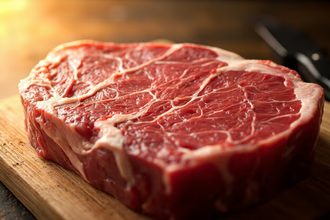
- Marbling: Marbling refers to the intramuscular fat within the meat. It appears as white flecks or streaks within the muscle. Marbling contributes to the juiciness, flavor, and tenderness of meat. Higher levels of marbling generally indicate higher meat quality.
- Texture: The texture of meat should be firm and slightly moist. Avoid meat that feels slimy or sticky, as this can be a sign of spoilage.
Sensorial Indicators
- Aroma: Fresh meat should have a mild, pleasant aroma. A sour, ammonia-like, or otherwise off-putting smell is a clear sign of spoilage.
- Texture (after cooking): High-quality meat should be tender and juicy after cooking. Toughness or dryness can indicate poor quality or improper cooking.
Businesses can also use objective measures to assess meat quality. For example, fossanalytics.com offers analytical solutions that can help to measure factors such as fat content, protein content, and tenderness. These objective measures can provide valuable information for quality control and product development.
Visual Indicators of Meat Quality
Visual cues are the first indicators of meat quality. Color, marbling, and overall appearance provide valuable insights into the freshness, flavor, and tenderness of the meat.
- Color: The color of meat varies depending on the type of meat and its freshness. Fresh beef should be a bright cherry-red color, while fresh pork should be a pinkish-red. Lamb is typically a deeper red than beef. Poultry should be pinkish-white. Discoloration, such as browning or graying, can indicate spoilage or improper storage.
- Marbling: Marbling refers to the intramuscular fat within the meat. It appears as white flecks or streaks distributed throughout the muscle tissue. Marbling contributes significantly to the juiciness, flavor, and tenderness of meat. Higher levels of marbling generally indicate higher meat quality. For example, a well-marbled steak will be more flavorful and tender than a lean steak.
- Overall Appearance: The overall appearance of meat should be appealing and free from any signs of spoilage or contamination. Avoid meat that looks slimy, sticky, or has an off-putting odor. Look for meat that is properly trimmed and has a consistent color and texture.
By carefully observing these visual indicators, you can assess the meat quality and make informed purchasing decisions. Remember that color and marbling can vary depending on the type of meat and cut, so it's important to familiarize yourself with the characteristics of different meats.
Texture and Tenderness Assessment
Texture and tenderness are key components of meat quality, significantly affecting the eating experience. Assessing these attributes through touch and visual inspection can help you identify desirable or undesirable characteristics.
- Touch: High-quality meat should feel firm but slightly yielding to the touch. Avoid meat that feels excessively hard, mushy, or slimy. The surface should be slightly moist, but not excessively wet.
- Visual Inspection: Look for fine muscle fibers and minimal connective tissue. Meat with coarse muscle fibers and a lot of visible connective tissue (gristle) is likely to be tougher. Marbling also contributes to perceived tenderness, as the intramuscular fat lubricates the muscle fibers during cooking.
Tender meat has a fine muscle fiber structure and relatively little connective tissue. Tough meat, however, has coarser muscle fibers and more connective tissue. Factors that influence tenderness include the animal's age, breed, and the specific muscle from which the cut is derived. For example, cuts from muscles that are used more frequently, such as the legs and shoulders, tend to be tougher than cuts from less-used muscles, such as the loin.
When selecting meat, be aware of cuts that are known to be potentially tough. These cuts often benefit from slow cooking methods that break down the connective tissue and tenderize the meat. Texture and tenderness are important factors in the overall perception of meat quality. Tender, juicy meat is generally considered more desirable than tough, dry meat.
Aroma and Signs of Spoilage
Aroma is a strong indicator of meat quality and safety. Fresh, high-quality meat has a characteristic aroma that is mild and slightly meaty. Learning to recognize this aroma and identify off-odors is important for avoiding spoiled or contaminated meat.
Fresh beef should have a faint, slightly metallic scent. Fresh pork should have a mild, slightly sweet aroma. Lamb has a more distinctive, slightly gamey aroma. Any sour, ammonia-like, or otherwise off-putting smell is a clear sign of spoilage. Other signs of spoilage include a slimy or sticky texture, discoloration, and a change in the meat's overall appearance.
It is important to trust your senses when evaluating meat. If something doesn't smell right, it's best to err on the side of caution and discard the meat. While visual cues can be helpful, aroma is often the first and most reliable indicator of spoilage. Aroma is a key component of the overall sensory experience of eating meat. A pleasant aroma improves the enjoyment of the meal, while an off-putting aroma can ruin the experience and indicate a potential health hazard. Therefore, paying attention to aroma is important for assessing meat quality and safety.
Conclusion: Making Informed Choices for Better Meat Quality
Throughout this article, we've explored the key factors that influence meat quality, from genetics and feed to processing, packaging, storage, and handling. By knowing these factors, both consumers and businesses can make more informed choices that lead to better outcomes.
Consumers can use this information to select meat products that meet their preferences for taste, texture, and nutritional value. By paying attention to visual and sensorial cues, and by following proper storage and handling practices, consumers can be sure that they are getting the most out of their meat purchases.
Businesses can use this information to optimize their production processes and deliver high-quality meat products that meet consumer demand. High-quality meat tastes better but is also safer and more satisfying for consumers. For businesses seeking to ensure and improve meat quality through advanced analysis, companies like fossanalytics.com offer valuable resources.
Ultimately, making informed choices about meat quality benefits everyone. By prioritizing quality, we can enjoy safer, more delicious, and more satisfying meat products.