

Feed contaminant detection is vital for animal health and the safety of the food supply. Contaminants in animal feed can lead to health issues in animals, reduce productivity, and introduce harmful substances into the human food chain. Detecting and preventing these contaminants is crucial for feed manufacturers, farmers, and food producers.
This article explores the importance of feed contaminant detection, common types of contaminants, detection methods, and the overall impact on animal health and the food supply chain. By knowing these aspects, stakeholders can make informed decisions to protect animal welfare and ensure food safety.
Key Takeaways
- Feed contaminant detection is crucial for animal health, food safety, and regulatory compliance.
- Common feed contaminants include mycotoxins, pesticides, heavy metals, and pathogenic bacteria, each posing unique risks.
- Detection methods range from chromatography and spectroscopy to immunoassays, each with its own advantages and limitations.
- Effective contaminant detection improves animal health and productivity by preventing disease and optimizing feed quality.
- Economic benefits include reduced livestock losses, increased yields, and minimized trade disruptions.
- Ensuring food safety through contaminant detection protects human health by preventing the transfer of harmful substances into animal products.
- Regulatory compliance is essential, with various national and international standards setting limits for contaminants in animal feed.
Table of Contents
Introduction to Feed Contaminant Detection

Safe animal feed is a cornerstone of a secure and healthy food supply. The quality of animal feed directly impacts animal health, and consequently, the safety of food products derived from those animals. Feed contaminants, which are unwanted and potentially harmful substances in animal feed, pose a significant threat to this process. Detecting these contaminants is key for protecting animal health, assuring food safety, and adhering to regulatory standards.
Feed contaminant detection involves identifying various types of contaminants, such as mycotoxins, pesticides, heavy metals, and pathogenic bacteria, that can compromise feed quality. Effective detection methods are crucial for preventing contaminated feed from entering the food chain, which could lead to health issues in animals and potential risks for human consumption.
The impact of effective feed contaminant detection extends throughout the entire animal feed industry, from producers to consumers. By implementing thorough testing and analysis procedures, stakeholders can maintain the highest standards of quality and safety. FOSS provides solutions for feed analysis, supporting the industry in maintaining feed safety and quality.
Common Types of Feed Contaminants
Animal feed can be contaminated by various substances, posing risks to animal health and the safety of the food chain. Common contaminants include mycotoxins, pesticides, heavy metals, and pathogenic bacteria. Identifying these contaminants through feed contaminant detection methods is key to preventing adverse effects.
Mycotoxins
Mycotoxins are toxic metabolites produced by fungi and can contaminate livestock feed. Common mycotoxins include aflatoxins, fumonisins, ochratoxins, zearalenone, and trichothecenes. These toxins are produced by fungi such as Aspergillus, Penicillium, Alternaria, and Fusarium. A global survey indicated that 88% of feed samples were contaminated with at least one mycotoxin. Multi-mycotoxin contamination is also a concern, with 64% of feed samples worldwide containing at least two different mycotoxins. Exposure to mycotoxins can cause oxidative stress, immune suppression, and organ damage in animals.
Pesticides
Pesticides, including insecticides, herbicides, and fungicides, are used in agriculture to protect crops from pests and diseases. However, over 95% of applied pesticides can miss their target and contaminate soil, water, and animal feed. A survey in the United Kingdom found that 21% of feeds contained pesticide residues. Common pesticides found in animal feed include glyphosate, atrazine, and neonicotinoids. These pesticides can harm or kill plant and animal species and may have carcinogenic effects on humans.
Heavy Metals
Heavy metals like lead, cadmium, mercury, and arsenic can contaminate animal feed through environmental pollution, fertilizers, and industrial activities. These metals can accumulate in animal tissues and be transferred into meat, milk, and eggs, posing a risk to human health. A survey of feedstuffs found that 20% of all samples were contaminated with heavy metals above EU limits. In complete feed, swine diets showed the highest contamination at 14%, followed by ruminant (9%) and poultry (5%). Exposure to high levels of heavy metals can be toxic and have carcinogenic properties.
Pathogenic Bacteria
Animal feeds can be contaminated with harmful bacteria such as Salmonella, E. coli, and Listeria. High-protein feed is particularly vulnerable to Salmonella contamination. Contaminated feed can cause infections in animals, and these pathogens can be transmitted to humans through the consumption of contaminated animal products. A study in the United States found that 30% of cattle feed samples contained E. coli. Implementing measures to monitor and control pathogenic microorganisms is important in animal feed production.
Mycotoxins
Mycotoxins are toxic chemical compounds produced by molds (fungi) that can contaminate animal feed. These toxins are produced by fungi such as Aspergillus, Penicillium, Alternaria, and Fusarium. Common mycotoxins found in feed include aflatoxins, deoxynivalenol (DON), fumonisins, ochratoxins, zearalenone, and trichothecenes.
- Aflatoxins, produced by Aspergillus species, are potent carcinogens and can cause liver damage in animals. Dairy cattle are particularly susceptible, as aflatoxins can be carried over into milk.
- Deoxynivalenol (DON), also known as vomitoxin, is produced by Fusarium species and is commonly found in grains like wheat and corn. DON can cause feed refusal, vomiting, and reduced growth rates in pigs and poultry.
- Fumonisins, also produced by Fusarium species, are prevalent in corn and can cause equine leukoencephalomalacia (ELEM) in horses and pulmonary edema in swine.
- Zearalenone, another Fusarium toxin, has estrogenic effects and can cause reproductive problems in swine, such as infertility and false pregnancies.
- Ochratoxins, produced by Aspergillus and Penicillium species, can cause kidney damage and immune suppression in poultry and swine.
A global survey indicated that 88% of feed samples were contaminated with at least one mycotoxin. Multi-mycotoxin contamination is also a concern, with 64% of feed samples worldwide containing at least two different mycotoxins. The prevalence of mycotoxins varies by region and feed type, with higher levels often found in warmer, more humid climates. Given the widespread occurrence and significant health risks associated with mycotoxins, feed contaminant detection is crucial for identifying and quantifying these toxins in animal feed. Effective detection methods allow for timely intervention and mitigation strategies to protect animal health and prevent economic losses.
Pesticides
Pesticides, including insecticides, herbicides, and fungicides, are used in agriculture to protect crops from pests and diseases. These chemicals can contaminate animal feed through direct application to crops, pesticide drift, or environmental exposure. Over 95% of applied pesticides can miss their target and contaminate soil, water, and animal feed.
Common pesticides found in animal feed include:
- Organophosphates: Used as insecticides, they can affect the nervous system of animals, leading to neurological damage and impaired motor function.
- Pyrethroids: Another class of insecticides, they can also cause neurological problems in animals, as well as skin and respiratory irritation.
- Glyphosate: A widely used herbicide, chronic exposure may lead to organ damage and reproductive issues in animals.
- Neonicotinoids: Insecticides that can negatively impact the nervous system, potentially causing paralysis and even death in severe cases.
Pesticide exposure can have various toxic effects on animal health, including neurological issues, reproductive problems, immune suppression, and organ damage. The severity of these effects depends on the type and concentration of the pesticide, as well as the duration of exposure. Feed contaminant detection plays a key role in monitoring pesticide residues in animal feed and assuring compliance with regulatory limits. By accurately identifying and quantifying pesticide levels, feed producers can take corrective actions to prevent contaminated feed from reaching animals, safeguarding their health and well-being.
Heavy Metals
Heavy metals can contaminate animal feed through various sources, including industrial pollution, contaminated soil, mining activities, and the use of fertilizers and pesticides. Key heavy metals of concern in animal feed include lead (Pb), cadmium (Cd), mercury (Hg), and arsenic (As).
- Lead (Pb): Can cause neurological damage, kidney dysfunction, and reproductive problems in animals.
- Cadmium (Cd): Accumulates in the kidneys and liver, leading to organ damage and immune suppression.
- Mercury (Hg): Affects the nervous system and can cause developmental problems in animals.
- Arsenic (As): A known carcinogen, it can cause various health issues, including skin lesions, cardiovascular problems, and neurological effects.
Heavy metals exert their toxicity through various mechanisms, including binding to proteins and enzymes, disrupting cellular functions, and inducing oxidative stress. These metals can accumulate in animal tissues over time, leading to chronic toxicity. Also, heavy metals can bioaccumulate in the food chain, posing a risk to human health through the consumption of contaminated animal products. Therefore, feed contaminant detection is of utmost importance in preventing heavy metal contamination in animal feed. By implementing effective monitoring and testing programs, feed producers can identify and remove contaminated feed ingredients, protecting both animal and human health.
Pathogenic Bacteria
Pathogenic bacteria, including Salmonella, E. coli, and Listeria, can contaminate animal feed and pose significant risks to both animal and human health. These bacteria can lead to infections in animals, and contaminated animal products can transmit these pathogens to humans, causing foodborne illnesses.
Sources of bacterial contamination in animal feed include:
- Improper storage of feed ingredients, allowing bacteria to proliferate.
- Inadequate handling practices during feed production and transportation.
- Contamination from animal waste, pests, or contaminated water sources.
- Insufficient heat treatment or other processing methods to eliminate bacteria.
Clinical signs of bacterial infections in animals can vary depending on the specific pathogen but may include fever, diarrhea, vomiting, reduced appetite, and lethargy. In severe cases, these infections can lead to mortality. The transmission of these bacteria to humans through contaminated animal products can cause a range of symptoms, from mild gastrointestinal distress to severe systemic infections.
Feed contaminant detection plays a crucial role in identifying and controlling bacterial contamination in animal feed. Regular testing and monitoring can help detect the presence of these pathogens, allowing for timely intervention and preventive measures. By implementing effective sanitation practices, proper storage and handling procedures, and appropriate heat treatment processes, feed producers can minimize the risk of bacterial contamination and protect animal and human health.
Methods for Feed Contaminant Detection
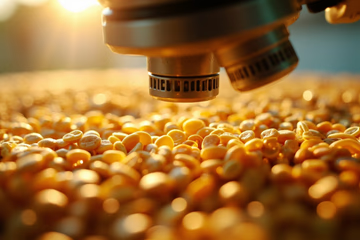
Various analytical techniques are employed for feed contaminant detection, each with its own principles, advantages, and limitations. These methods help in identifying and quantifying contaminants in animal feed, assuring feed safety and quality. Common techniques include chromatography, spectroscopy, and immunoassays.
Chromatography
Chromatography techniques, such as High-Performance Liquid Chromatography (HPLC) and Gas Chromatography (GC), are widely used for separating and quantifying different contaminants in feed samples.
- HPLC: Separates compounds in a liquid mobile phase based on their interactions with a stationary phase. It is often coupled with detectors like UV-Vis or fluorescence detectors for quantification. HPLC is suitable for analyzing a wide range of contaminants, including mycotoxins and pesticides.
- GC: Separates volatile compounds in a gaseous mobile phase. It is often coupled with mass spectrometry (GC-MS) for improved sensitivity and specificity. GC is commonly used for analyzing pesticides and volatile organic compounds.
While chromatography offers high sensitivity and specificity, it can be time-consuming and requires skilled operators and laboratory infrastructure.
Spectroscopy
Spectroscopy techniques, such as Near-Infrared (NIR) spectroscopy and mass spectrometry, provide rapid and non-destructive methods for feed analysis.
- NIR Spectroscopy: Measures the absorption and reflection of near-infrared light by a sample. NIR can be used to assess the overall composition of feed and detect certain contaminants based on their spectral signatures. It is a rapid and cost-effective method suitable for on-site testing.
- Mass Spectrometry: Measures the mass-to-charge ratio of ions, providing detailed information about the molecular composition of a sample. When coupled with chromatography (LC-MS/MS or GC-MS/MS), mass spectrometry offers high sensitivity and specificity for detecting a wide range of contaminants, including mycotoxins, pesticides, and heavy metals.
Spectroscopy techniques offer rapid analysis times and can be used for high-throughput screening, but they may require calibration and method development for specific contaminants.
ELISA
Enzyme-Linked Immunosorbent Assay (ELISA) is an immunoassay technique that uses antibodies to detect and quantify specific contaminants in feed samples. ELISA is relatively simple and cost-effective, making it suitable for screening large numbers of samples. However, ELISA may have limitations in terms of specificity and may require confirmation with other methods.
Comparison of Methods
Traditional lab-based methods, such as chromatography and mass spectrometry, offer high accuracy and sensitivity but can be time-consuming and expensive. Rapid, on-site testing solutions, such as NIR spectroscopy and ELISA, provide faster results and are more cost-effective but may have limitations in terms of sensitivity and specificity. FOSS offers a range of feed analysis solutions that improve the speed and accuracy of contaminant detection. Their technologies provide rapid and reliable results, enabling feed producers to make informed decisions and assure the safety and quality of their products.
Chromatographic Methods (HPLC, GC)
Chromatographic methods, including High-Performance Liquid Chromatography (HPLC) and Gas Chromatography (GC), are effective analytical techniques used in feed contaminant detection. These methods separate, identify, and quantify different contaminants present in complex feed matrices.
High-Performance Liquid Chromatography (HPLC)
HPLC is a separation technique that separates compounds in a liquid mobile phase based on their interactions with a stationary phase. The sample is dissolved in a solvent and passed through a column packed with a solid material. Different compounds interact differently with the stationary phase, causing them to elute at different times. HPLC is well-suited for analyzing non-volatile and thermally labile contaminants, such as:
- Mycotoxins (e.g., aflatoxins, fumonisins, ochratoxins)
- Pesticides (e.g., organophosphates, carbamates)
- Vitamins
- Amino acids
Gas Chromatography (GC)
GC is a separation technique that separates volatile compounds in a gaseous mobile phase. The sample is vaporized and passed through a column where different compounds separate based on their boiling points and interactions with the stationary phase. GC is commonly used for analyzing volatile and semi-volatile contaminants, such as:
- Pesticides (e.g., organochlorines, pyrethroids)
- Fatty acids
- Sterols
- Aroma compounds
Advantages of Chromatography
Chromatographic methods offer several advantages in feed contaminant detection:
- High Sensitivity: Can detect contaminants at very low concentrations (parts per billion or even parts per trillion).
- High Specificity: Separates individual compounds, minimizing interference and enabling accurate identification and quantification.
- Wide Applicability: Can be used to analyze a wide range of contaminants in different feed matrices.
Limitations of Chromatography
Despite their advantages, chromatographic methods also have some limitations:
- Sample Preparation: Requires extensive sample preparation steps, such as extraction, cleanup, and derivatization, which can be time-consuming and labor-intensive.
- Analysis Time: Can be relatively long, especially for complex samples requiring multiple chromatographic runs.
- Cost: Requires expensive equipment and skilled operators, making it less accessible for some laboratories.
Spectroscopic Methods (NIR, Mass Spectrometry)
Spectroscopic methods, including Near-Infrared (NIR) spectroscopy and Mass Spectrometry, are valuable tools for feed contaminant detection. These techniques offer rapid and non-destructive analysis of feed samples, providing key information about their composition and the presence of contaminants.
Near-Infrared (NIR) Spectroscopy
NIR spectroscopy measures the absorption and reflection of near-infrared light by a sample. When NIR light interacts with a feed sample, certain molecules absorb energy at specific wavelengths. By analyzing the resulting spectrum, it is possible to determine the composition of the sample and detect the presence of certain contaminants. NIR spectroscopy is well-suited for:
- Rapid screening of feed samples for various contaminants
- Quantitative analysis of major components (e.g., protein, fat, fiber)
- On-site analysis and process control
Mass Spectrometry
Mass spectrometry measures the mass-to-charge ratio of ions to identify and quantify different molecules in a sample. The sample is first ionized, and the resulting ions are separated based on their mass-to-charge ratio. Mass spectrometry is often coupled with chromatography (LC-MS/MS or GC-MS/MS) to improve separation and sensitivity. Mass spectrometry is ideal for:
- Detecting a wide range of contaminants, including mycotoxins, pesticides, and heavy metals
- Confirming the identity of contaminants detected by other methods
- Quantitative analysis of trace-level contaminants
Advantages of Spectroscopy
Spectroscopic methods offer several advantages in feed contaminant detection:
- Speed: Provides rapid analysis times, allowing for high-throughput screening of feed samples.
- Ease of Use: Requires minimal sample preparation and can be operated by non-technical personnel.
- Non-Destructive: Does not consume or alter the sample, allowing for further analysis if needed.
Limitations of Spectroscopy
Despite their advantages, spectroscopic methods also have some limitations:
- Calibration: Requires calibration against reference methods for quantitative analysis.
- Interferences: Can be affected by matrix effects and interferences from other compounds in the sample.
- Sensitivity: May not be as sensitive as chromatography for certain contaminants.
Immunoassay Methods (ELISA)
Immunoassay methods, particularly Enzyme-Linked Immunosorbent Assay (ELISA), are widely used for feed contaminant detection. ELISA is a biochemical technique that uses antibodies to detect and quantify the presence of specific contaminants in feed samples.
Principles of ELISA
ELISA is based on the principle of antigen-antibody recognition. The assay involves the following steps:
- A specific antibody is coated onto a microplate.
- A feed sample is added to the microplate, and any target contaminant (antigen) present in the sample binds to the antibody.
- A second antibody, labeled with an enzyme, is added and binds to the contaminant-antibody complex.
- A substrate is added, and the enzyme catalyzes a reaction that produces a detectable signal (e.g., color change).
- The intensity of the signal is proportional to the amount of contaminant present in the sample.
ELISA can be used for the detection of specific contaminants, such as:
- Mycotoxins (e.g., aflatoxins, ochratoxin A, zearalenone)
- Pesticides (e.g., organophosphates, carbamates)
Advantages of ELISA
ELISA offers several advantages in feed contaminant detection:
- Cost-Effectiveness: ELISA is relatively inexpensive compared to other analytical techniques, such as chromatography and mass spectrometry.
- Ease of Use: ELISA is simple to perform and does not require highly skilled operators or specialized equipment.
- High Throughput: ELISA can be used to screen large numbers of samples quickly.
Limitations of ELISA
Despite its advantages, ELISA also has some limitations:
- Cross-Reactivity: Antibodies may cross-react with other compounds in the sample, leading to false-positive results.
- Specificity: ELISA is specific to the target contaminant, and a different ELISA is required for each contaminant of interest.
- Sensitivity: ELISA may not be as sensitive as chromatography or mass spectrometry for certain contaminants.
Rapid, On-Site Testing Solutions
Traditional lab-based feed contaminant detection methods, such as chromatography and mass spectrometry, offer high accuracy and sensitivity but can be time-consuming and expensive. Rapid, on-site testing solutions provide a faster and more cost-effective alternative for screening feed samples for contaminants.
Advantages of Rapid Testing
Rapid, on-site testing offers several advantages over traditional lab-based methods:
- Speed: Provides results in minutes, allowing for real-time decision-making.
- Convenience: Can be performed on-site, eliminating the need to send samples to a laboratory.
- Cost-Effectiveness: Reduces the cost of analysis by eliminating transportation and lab fees.
- Ease of Use: Simple to perform and does not require highly skilled operators.
Types of Rapid Tests
Different types of rapid tests are available for feed contaminant detection, including:
- Lateral Flow Assays: These are immunoassay-based tests that use antibodies to detect specific contaminants. They are simple to use and provide rapid results, typically within minutes.
- Portable Analyzers: These are handheld devices that use spectroscopic techniques, such as NIR spectroscopy, to analyze feed samples on-site. They can provide quantitative results for various contaminants and nutrients.
Role of Rapid Testing
Rapid testing plays a crucial role in improving feed safety and quality control by:
- Enabling quick screening of feed ingredients and finished products for contaminants.
- Allowing for timely intervention and corrective actions to prevent contaminated feed from reaching animals.
- Providing real-time data for process control and optimization.
Impact of Feed Contaminant Detection on Animal Health and Food Safety
Effective feed contaminant detection programs are key to maintaining animal health, assuring food safety, and promoting economic stability within the livestock industry. By identifying and mitigating the risks associated with contaminated feed, producers can safeguard their animals, protect consumers, and comply with regulatory standards.
Improved Animal Health and Productivity
Contaminated feed can have detrimental effects on animal health, leading to reduced growth rates, impaired immune function, reproductive problems, and even mortality. Implementing feed contaminant detection programs helps to:
- Prevent disease outbreaks caused by mycotoxins, pathogenic bacteria, and other harmful substances.
- Reduce the incidence of metabolic disorders and nutritional deficiencies associated with contaminated feed.
- Improve animal welfare by minimizing exposure to toxic substances.
- Improve animal productivity through optimized feed quality and nutrient utilization.
Economic Benefits
The economic consequences of contaminated feed can be significant, including:
- Livestock losses due to illness and mortality.
- Reduced yields of meat, milk, and eggs.
- Increased veterinary costs and treatment expenses.
- Trade disruptions and export restrictions due to non-compliance with feed safety regulations.
By investing in feed contaminant detection, producers can minimize these economic risks and assure the long-term sustainability of their operations.
Ensuring Food Safety
Contaminants in animal feed can be transferred to animal-derived food products, posing a risk to human health. Effective feed contaminant detection programs play a key role in:
- Preventing the carryover of mycotoxins, pesticides, heavy metals, and other contaminants into meat, milk, and eggs.
- Reducing the risk of foodborne illnesses associated with contaminated animal products.
- Protecting vulnerable populations, such as children and pregnant women, from the harmful effects of contaminants.
Regulatory Compliance
Feed safety is regulated by various national and international agencies, which set limits for contaminants in animal feed. Feed contaminant detection programs help producers comply with these regulations and avoid penalties, such as fines, product recalls, and trade restrictions. Regulations and standards related to feed safety and contaminant limits include:
- The European Union's Feed Hygiene Regulation (Regulation (EC) No 183/2005)
- The United States Food and Drug Administration's (FDA) Food Safety Modernization Act (FSMA)
- Codex Alimentarius standards for contaminants in food and feed
Animal Health and Productivity
Feed contaminant detection directly impacts animal health by preventing diseases and reducing the need for veterinary interventions. Contaminant-free feed contributes to improved growth rates, feed conversion efficiency, and overall productivity in livestock and poultry. When feed is free from harmful substances, animals are better able to utilize nutrients, leading to optimal performance and reduced healthcare costs.
Examples of specific contaminants and their effects on animal health and performance include:
- Mycotoxins: Aflatoxins can cause liver damage, immune suppression, and reduced growth rates in poultry and swine. Fumonisins can lead to equine leukoencephalomalacia (ELEM) in horses and pulmonary edema in swine.
- Pesticides: Organophosphates can cause neurological damage and impaired motor function in various animal species.
- Heavy Metals: Lead can cause neurological damage, kidney dysfunction, and reproductive problems in animals. Cadmium can accumulate in the kidneys and liver, leading to organ damage and immune suppression.
- Pathogenic Bacteria: Salmonella and E. coli can cause gastrointestinal infections, diarrhea, and reduced feed intake in livestock and poultry.
Data and case studies illustrate the benefits of effective contaminant control. For example, a study on dairy cows found that reducing aflatoxin levels in feed resulted in a 10% increase in milk production and a significant reduction in liver enzyme levels, indicating improved liver health. Another study on broiler chickens showed that controlling Salmonella contamination in feed led to a 5% improvement in feed conversion efficiency and a reduction in mortality rates.
Economic Impact of Contaminated Feed
Feed contamination can have significant economic consequences for livestock producers, ranging from livestock losses and reduced yields to increased production costs and trade disruptions. The financial impact of contaminated feed can be substantial, affecting the profitability and sustainability of livestock operations.
Specific economic consequences of feed contamination include:
- Livestock Losses: Contaminated feed can cause illness, reduced growth rates, and mortality in livestock and poultry, leading to direct financial losses for producers.
- Reduced Yields: Contaminants like mycotoxins can reduce the productivity of animals, resulting in lower yields of meat, milk, and eggs.
- Increased Production Costs: Contaminated feed can increase veterinary costs, treatment expenses, and the need for replacement animals, driving up overall production costs.
- Trade Disruptions: Contaminated feed can lead to trade disruptions and export restrictions, as countries impose strict regulations on feed safety.
Examples of the financial impact of specific contamination events include:
- Aflatoxin contamination in corn used for dairy feed can result in reduced milk production and increased liver damage in cows, leading to significant economic losses for dairy farmers.
- Salmonella contamination in poultry feed can cause increased mortality rates and reduced feed conversion efficiency, resulting in lower profits for poultry producers.
Feed contaminant detection is a key risk management strategy to protect profitability. By implementing effective testing and monitoring programs, producers can identify and mitigate the risks associated with contaminated feed, minimizing economic losses and assuring the long-term sustainability of their operations.
Ensuring Food Safety for Human Consumption
Feed contaminant detection plays a crucial role in assuring the safety of animal-derived food products for human consumption. Contaminants present in animal feed can accumulate in animal tissues and be transferred to meat, milk, and eggs, posing a risk to human health. Therefore, monitoring contaminant levels in feed is key to preventing human exposure and protecting public health.
The potential for contaminants to accumulate in animal tissues and be transferred to food products depends on several factors, including:
- The type and concentration of the contaminant in the feed
- The duration of exposure
- The animal species and its ability to metabolize and excrete the contaminant
- The specific tissue or product being consumed
Examples of contaminants that can be transferred to animal products include:
- Mycotoxins: Aflatoxins can be carried over into milk, posing a risk to infants and young children.
- Pesticides: Organochlorine pesticides can accumulate in animal fat and be transferred to meat and dairy products.
- Heavy Metals: Lead and cadmium can accumulate in animal tissues, such as the liver and kidneys, and be consumed by humans.
- Pathogenic Bacteria: Salmonella and E. coli can contaminate meat and eggs, causing foodborne illnesses in humans.
To protect public health, many countries have established regulations and standards related to food safety and contaminant limits in animal products. These regulations specify maximum residue limits (MRLs) for various contaminants in meat, milk, and eggs. Feed contaminant detection programs help producers comply with these regulations and prevent contaminated animal products from reaching consumers.
Regulatory Compliance and Standards
Feed safety is regulated by various national and international agencies to protect animal and human health and ensure fair trade practices. Compliance with these regulations is key for producers to maintain market access and avoid penalties, such as fines, product recalls, and trade restrictions. Feed contaminant detection programs play a crucial role in helping producers meet regulatory requirements and demonstrate due diligence.
Relevant regulations and standards related to feed safety and contaminant limits include:
- United States: The Food and Drug Administration (FDA) regulates animal feed under the Food Safety Modernization Act (FSMA). The FDA sets limits for various contaminants in animal feed, including mycotoxins, heavy metals, and pesticides.
- European Union: The European Union's Feed Hygiene Regulation (Regulation (EC) No 183/2005) establishes requirements for feed safety and hygiene. The EU also sets maximum levels for certain contaminants in feed, such as mycotoxins (e.g., aflatoxins, ochratoxin A, zearalenone) and heavy metals (e.g., lead, cadmium, mercury).
- Codex Alimentarius: The Codex Alimentarius Commission, a joint initiative of the Food and Agriculture Organization (FAO) and the World Health Organization (WHO), develops international food standards, including standards for contaminants in food and feed.
Feed contaminant detection programs can help producers meet regulatory requirements by:
- Providing accurate and reliable data on contaminant levels in feed ingredients and finished products.
- Identifying potential sources of contamination and implementing corrective actions.
- Documenting compliance with regulatory standards and demonstrating due diligence.
Specific standards for key contaminants include:
- Mycotoxins: The EU has established maximum levels for aflatoxin B1 in various feed materials, ranging from 5 to 20 μg/kg.
- Heavy Metals: The EU has set maximum levels for lead in feed materials, ranging from 2 to 10 mg/kg, depending on the feed type.
Conclusion: Assuring a Safe and Sustainable Feed Supply

Forward-thinking feed contaminant detection is crucial for maintaining a safe and sustainable feed supply chain. By implementing effective testing and monitoring programs, feed producers can protect animal health, assure food safety, and minimize economic losses. Investing in advanced analytical technologies and thorough quality control measures is key for achieving these goals.
Feed contaminant detection offers numerous benefits, including:
- Prevention of disease outbreaks and improved animal health.
- Reduced risk of foodborne illnesses associated with contaminated animal products.
- Compliance with regulatory standards and avoidance of penalties.
- Improved productivity and profitability for livestock producers.
- Protection of consumer confidence in the safety and quality of animal-derived foods.
FOSS is a partner in helping feed producers and animal nutritionists achieve their goals of producing safe, high-quality feed. Their solutions for feed analysis and contaminant detection provide rapid, accurate, and reliable results, enabling producers to make informed decisions and optimize their operations.
Explore FOSS's solutions for feed analysis and contaminant detection to improve your operations and assure a safe and sustainable feed supply. By partnering with FOSS, you can improve your quality control measures, protect your animals, and safeguard public health.
Frequently Asked Questions
- What are the most common types of contaminants found in animal feed?
- The most common types of contaminants in animal feed include mycotoxins, which are toxic compounds produced by molds; bacteria such as Salmonella and E. coli; heavy metals like lead and arsenic; pesticides; and foreign materials such as plastics or metals. Each of these contaminants can pose significant health risks to animals and may also affect the safety of the food supply chain.
- How can feed contaminant detection impact overall animal health?
- Effective feed contaminant detection is crucial for maintaining animal health as it helps identify harmful substances that can lead to diseases, decreased productivity, and even mortality in livestock. By ensuring that feed is free from contaminants, farmers can promote better growth rates, reproductive performance, and overall well-being in their animals, thus contributing to a safer food supply for consumers.
- What methods are commonly used for detecting contaminants in animal feed?
- Various methods are employed for detecting contaminants in animal feed, including chemical analysis, microbiological testing, and physical inspections. Techniques such as high-performance liquid chromatography (HPLC), enzyme-linked immunosorbent assays (ELISA), and mass spectrometry are often used for precise detection of specific contaminants. Regular testing and monitoring are essential to ensure feed safety.
- How do regulatory standards influence feed contaminant detection practices?
- Regulatory standards set by government agencies and industry organizations dictate the acceptable levels of contaminants in animal feed and outline the necessary testing protocols. Compliance with these standards is essential for producers to ensure the safety and quality of their products, avoid legal repercussions, and maintain consumer trust. These regulations also promote uniformity in testing methods across the industry.
- What steps can farmers take to minimize the risk of feed contamination?
- Farmers can take several proactive steps to minimize the risk of feed contamination, including sourcing feed from reputable suppliers, conducting regular testing for contaminants, implementing good storage practices to prevent mold growth, and maintaining hygiene in feed handling processes. Additionally, educating staff about contamination risks and proper handling techniques can further enhance feed safety.